
*Optimizing Energy Efficiency in Aluminium Alloyed Smelting Furnaces: The Role of Centrifugal Flow Fans*
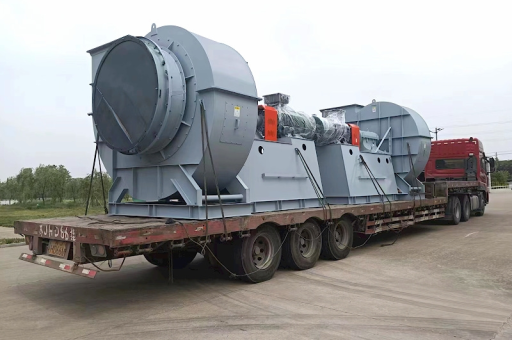
Table of Contents
- Introduction
- The Importance of Energy Efficiency in Aluminium Alloyed Smelting
- Understanding Centrifugal Flow Fans: Design and Operation
- How Centrifugal Flow Fans Enhance Smelting Furnace Performance
- Energy Efficiency Gains: Data and Case Studies
- Key Factors Affecting Fan Efficiency in High-Temperature Environments
- Maintenance and Operational Best Practices
- Frequently Asked Questions (FAQ)
- Conclusion
Introduction
Aluminium alloyed smelting is an energy-intensive industrial process. As global demand for lightweight, high-strength materials rises, manufacturers increasingly focus on reducing operational costs and carbon footprints. One critical component often overlooked in energy optimization is the centrifugal flow fan. This article explores how selecting and operating the right centrifugal flow fan for aluminium alloyed smelting furnaces can significantly improve energy efficiency, reduce downtime, and extend equipment lifespan.
The Importance of Energy Efficiency in Aluminium Alloyed Smelting
Aluminium alloying involves melting base metals (primarily aluminium) and adding alloying elements such as copper, magnesium, silicon, or zinc. The smelting furnace must maintain precise temperatures, often exceeding 700°C. Energy consumption can account for up to 40% of total production costs in a typical smelting plant.
Key energy consumers include:
- Electric arc furnaces or gas-fired reverberatory furnaces
- Exhaust and ventilation systems
- Cooling and air handling systems
Among these, the centrifugal flow fan in the furnace’s exhaust or combustion air system plays a vital role. An inefficient fan leads to higher electricity usage, poor combustion, and increased maintenance.
Understanding Centrifugal Flow Fans: Design and Operation
A centrifugal flow fan, also known as a radial fan, uses a rotating impeller to increase the velocity of air or gas. The air enters the fan axially, is accelerated by the impeller blades, and exits radially. This design is ideal for high-pressure applications like smelting furnace combustion air supply or flue gas extraction.
Key components:
- Impeller: Usually made of high-temperature resistant alloys or coated with ceramic for abrasion resistance.
- Housing: Volute casing that converts kinetic energy into pressure.
- Drive system: Motor, belt, or direct drive, often equipped with variable frequency drives (VFDs) for speed control.
Why centrifugal fans are preferred for aluminium smelting:
- High static pressure capability
- Stable performance under varying gas densities
- Durability in hot, corrosive environments
How Centrifugal Flow Fans Enhance Smelting Furnace Performance
In an aluminium alloyed smelting furnace, the centrifugal flow fan serves two primary purposes:
- Combustion air supply – delivering the precise amount of oxygen for efficient fuel burning.
- Fume and heat extraction – removing hot gases, particulates, and fumes from the furnace atmosphere.
Energy efficiency contributions:
- Optimized air-to-fuel ratio: Reduces fuel consumption by 5–15% when controlled accurately.
- Reduced electrical consumption: High-efficiency fan designs can cut motor power demand by 20–30%.
- Heat recovery potential: Proper fan operation enables integration with heat exchangers or recuperators.
Real-world example: A secondary aluminium smelter in Germany replaced its old axial fans with modern centrifugal flow fans equipped with VFDs. The result was a 22% reduction in overall energy consumption for the furnace ventilation system, with a payback period of 14 months.
Energy Efficiency Gains: Data and Case Studies
Case Study 1: High-Temperature Centrifugal Fan Upgrade
- Location: Aluminium alloy casting plant, Midwest USA
- Challenge: Existing forward-curved fans consumed 180 kW and required frequent bearing replacements due to heat.
- Solution: Installed backward-curved centrifugal flow fans with airfoil blades and ceramic coating.
- Results: Power consumption dropped to 132 kW (26% reduction). Bearing life extended from 6 months to 3 years.
Case Study 2: VFD Implementation in a Continuous Smelting Furnace
- Location: Smelter in Jiangsu, China
- Challenge: Fan operated at constant speed regardless of furnace load, wasting energy during idle or low-production periods.
- Solution: Retrofitted with a VFD to control fan speed based on furnace temperature and oxygen demand.
- Results: Annual electricity savings of 480,000 kWh; overall fan energy efficiency improved by 31%.
Industry data: According to the U.S. Department of Energy, fan systems account for approximately 15–20% of total industrial electricity use. In smelting applications, optimized centrifugal fans can achieve efficiency ratings above 85%, compared to 60–70% for older or poorly matched fans.
Key Factors Affecting Fan Efficiency in High-Temperature Environments
Factor 1: Temperature and gas density Hot gases are less dense, reducing the mass flow for the same volumetric flow. Fans must be selected for actual operating conditions, not standard air.
Factor 2: Impeller design Backward-curved blades offer higher efficiency (up to 88%) compared to forward-curved (65–75%) or radial blades (50–60%).
Factor 3: Drive system losses Belt-driven fans typically lose 5–10% efficiency due to friction. Direct-drive fans with VFDs minimize losses.
Factor 4: Inlet and outlet ducting Poor duct design can cause turbulence, reducing fan efficiency by 10–20%. Smooth, short, and straight ductwork is recommended.
Factor 5: Maintenance Dust buildup on impeller blades, worn bearings, and misaligned couplings degrade performance. Regular inspection and cleaning are essential.
Maintenance and Operational Best Practices
To maintain high energy efficiency, operators should:
- Clean the impeller and housing every 3–6 months depending on fume loading.
- Lubricate bearings according to manufacturer specifications, using high-temperature grease.
- Monitor motor current and vibration levels to detect early signs of imbalance.
- Calibrate VFDs and control systems to match actual furnace load profiles.
- Check for air leaks in ductwork and seals.
Predictive maintenance tip: Install a differential pressure sensor across the fan. A rising pressure drop indicates fouling and the need for cleaning.
Frequently Asked Questions (FAQ)
Q1: What is the most energy-efficient type of fan for an aluminium smelting furnace? A: Backward-curved centrifugal flow fans with airfoil blades offer the highest efficiency, typically 85–90%. When combined with a variable frequency drive (VFD), operational energy savings can exceed 30%.
Q2: Can I retrofit my existing furnace with a high-efficiency centrifugal fan? A: Yes. Retrofitting is common and often cost-effective. Key considerations include matching the fan’s duty point (flow, pressure, temperature) to the furnace requirements and upgrading the motor and drive system if necessary.
Q3: How does fan speed affect energy consumption? A: According to the fan affinity laws, power consumption is proportional to the cube of speed. Reducing fan speed by 20% can cut energy use by nearly 50%. This is why VFDs are so effective.
Q4: What materials are best for centrifugal fan impellers in high-temperature smelting? A: For temperatures up to 400°C, stainless steel (e.g., 316L) is common. For higher temperatures (600–900°C), nickel-based superalloys like Inconel or ceramic-coated carbon steel are recommended.
Q5: Does a centrifugal flow fan affect furnace product quality? A: Yes. Proper air supply ensures complete combustion, reducing carbon deposits and oxide formation in the aluminium alloy. Inadequate fume extraction can lead to gas porosity in the final cast product.
Conclusion
Energy efficiency in aluminium alloyed smelting furnaces is not solely about the burner or furnace lining. The centrifugal flow fan is a critical component that, when correctly selected, installed, and maintained, delivers substantial energy savings and improves overall process reliability. By investing in high-efficiency fan designs, variable speed drives, and proper system integration, smelters can reduce operational costs, meet sustainability targets, and remain competitive in a challenging global market.
As the industry moves toward Net Zero goals, optimizing every element of the energy chain—including fans—becomes not just an option, but a necessity. For engineers and plant managers, focusing on centrifugal flow fan efficiency is a proven, low-risk path to significant energy and cost reduction.





