
This article's table of contents introduction:
- Table of Contents
- Introduction to Industrial Dust Collection and Fan Drive Systems
- Understanding the V-Belt Drive Mechanism in High Pressure Centrifugal Fans
- Key Advantages of V-Belt Driving for Dust Collector Fans
- Engineering Considerations for V-Belt Selection and Maintenance
- High Pressure Centrifugal Fan Performance in Dust Collection
- Common Questions and Expert Answers (Q&A)
- Conclusion: Optimizing System Efficiency and Longevity
** The Critical Role of V-Belt Driving High Pressure Centrifugal Fans in Industrial Dust Collection Systems
Article Content:
Table of Contents
- Introduction to Industrial Dust Collection and Fan Drive Systems
- Understanding the V-Belt Drive Mechanism in High Pressure Centrifugal Fans
- Key Advantages of V-Belt Driving for Dust Collector Fans
- Engineering Considerations for V-Belt Selection and Maintenance
- High Pressure Centrifugal Fan Performance in Dust Collection
- Common Questions and Expert Answers (Q&A)
- Conclusion: Optimizing System Efficiency and Longevity
Introduction to Industrial Dust Collection and Fan Drive Systems
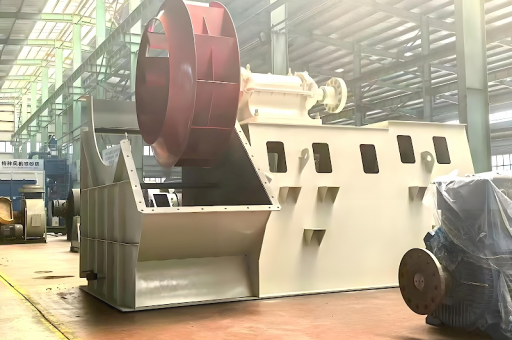
In modern industrial environments, controlling airborne particulate matter is not merely a regulatory requirement but a fundamental necessity for worker safety, equipment longevity, and product quality. The Industrial Dust Collector stands as the primary defense against hazardous dust, fumes, and fibers. At the heart of any effective dust collection system lies the High Pressure Centrifugal Fan, which generates the necessary suction to transport dust-laden air through ducts, filters, and discharge stacks.
However, the fan’s performance is intrinsically tied to its drive mechanism. Among various transmission methods—direct drive, gear drive, and belt drive—the V-Belt Driving system remains the most widely adopted solution for high pressure centrifugal fans in dust collection applications. This article provides a detailed, SEO-aligned analysis of how V-Belt driven high pressure centrifugal fans function within industrial dust collectors, covering engineering principles, maintenance best practices, and answers to frequently asked questions.
Understanding the V-Belt Drive Mechanism in High Pressure Centrifugal Fans
A V-Belt drive system consists of three core components: a drive pulley (mounted on the motor shaft), a driven pulley (mounted on the fan shaft), and a flexible, trapezoidal cross-section belt (the V-Belt). The "V" shape allows the belt to wedge into the pulley grooves, creating high friction without excessive tension. This design is especially critical for High Pressure Centrifugal Fans, which require high torque at startup and steady power transmission under variable load conditions.
In a typical configuration for an industrial dust collector, the motor speed is often higher than the optimal fan speed. By selecting pulleys with different diameters (a speed reduction ratio), the V-Belt drive allows the fan to operate at its designed aerodynamic efficiency point. For example, a motor running at 1800 RPM may drive a centrifugal fan at 1200 RPM via a 1.5:1 pulley ratio. This mechanical advantage not only matches the fan’s performance curve but also reduces electrical stress on the motor.
Key Advantages of V-Belt Driving for Dust Collector Fans
Why choose V-Belt driving over direct coupling for a High Pressure Centrifugal Fan in a dust collector? Here are the primary benefits:
- Torque Absorption and Vibration Damping: V-Belts naturally absorb shock loads and torque spikes that occur when dust loads change suddenly or when the filter media becomes clogged. This protects the motor bearings and fan impeller from mechanical fatigue.
- Variable Speed Flexibility: While not infinitely variable, changing pulley sizes allows for easy speed adjustments. This is invaluable when system resistance changes due to duct modifications or filter upgrades.
- Cost-Effective Maintenance: Replacing a V-Belt is significantly cheaper and faster than replacing a motor or fan shaft after a bearing failure. Belt slippage also acts as a fuse—if the fan seizes, the belt slips instead of destroying the motor.
- Electrical Isolation: The belt provides physical separation between the motor and fan, preventing the transmission of electrical faults (e.g., short circuits) from the motor to the fan housing.
- Quiet Operation: Compared to gear drives, V-Belt systems operate with lower noise levels, a crucial factor in worker environments.
Engineering Considerations for V-Belt Selection and Maintenance
To ensure reliable operation of a V-Belt Driving Industrial Dust Collector High Pressure Centrifugal Fan, engineers must consider:
- Belt Type and Material: For high pressure, high dust environments, classical or narrow-section industrial V-Belts (e.g., B, C, D sections) made from neoprene or chloroprene with polyester tensile cords are preferred. These resist oil, heat, and abrasion.
- Tensioning: Inadequate tension causes slip and overheating; excessive tension shortens belt and bearing life. The “thumb deflection” rule (1/64 inch per inch of belt span) is a practical field check. Modern laser alignment tools provide precision.
- Pulley Alignment: Misalignment is the leading cause of premature belt failure. Both drive and driven pulleys must be parallel and coplanar. A straight-edge or string alignment check should be performed during every belt replacement.
- Sheave Condition: Worn pulley grooves (especially with a glazed or polished surface) reduce friction and cause belt squeal. Periodic groove gauging is recommended.
- Environmental Factors: Dust accumulation on pulleys accelerates belt wear. Enclosed belt guards with ventilation prevent dust ingress while protecting personnel.
High Pressure Centrifugal Fan Performance in Dust Collection
A High Pressure Centrifugal Fan used in dust collection typically operates in the range of 10 to 30 inches of static pressure (water gauge). The fan’s impeller—whether backward-curved, radial, or forward-curved—is designed to handle high dust loads. The V-Belt drive must deliver consistent horsepower across the fan’s operating curve.
When undersized or worn, belts can slip, reducing fan RPM and thus static pressure. This leads to poor capture velocity at hoods, duct settling, and eventual filter bypass. Conversely, a properly maintained V-Belt system ensures the fan delivers full-rated airflow and pressure. Many modern dust collector specifications now require belt tension monitoring via strain-gauge sensors integrated into the fan baseplate, providing real-time alerts.
Common Questions and Expert Answers (Q&A)
Q1: Can I use a standard V-Belt for a high pressure dust collector fan?
A: No. Standard automotive belts lack the tensile strength and heat resistance required for continuous industrial operation. Always use industrial-grade V-Belts (e.g., Gates, Optibelt, or Dayco) rated for high torque and speed.
Q2: How often should I replace the V-Belt on my industrial dust collector fan?
A: Inspection is recommended every 500 operating hours. Replacement is typically required every 6–12 months, depending on run time, dust loading, and ambient temperature. Visible cracks, fraying, or glazing indicate immediate replacement.
Q3: What happens if the V-Belt slips on a high pressure fan?
A: Slippage reduces fan speed, lowering static pressure and airflow. This causes ducts to sag, filters to overload, and can lead to combustible dust accumulation. In severe cases, overheating of the belt and pulley can cause fire risk.
Q4: Is V-Belt drive more efficient than direct drive for dust collectors?
A: Direct drive eliminates belt friction loss (typically 3–5%), but V-Belt drive offers greater flexibility in speed adjustment and mechanical isolation. For most industrial dust collectors, V-Belt drive is more practical and cost-effective overall.
Q5: Can I retrofit a direct-drive fan to V-Belt drive?
A: Yes, but it requires a new motor base, pulleys, and belt guard. It is often done when replacing a motor to match a new fan speed requirement. Consult a mechanical engineer for structural and safety considerations.
Conclusion: Optimizing System Efficiency and Longevity
The synergy between a V-Belt Driving mechanism and a High Pressure Centrifugal Fan is the backbone of reliable industrial dust collection. By selecting the correct belt type, maintaining proper tension, and aligning pulleys precisely, facility managers can achieve consistent airflow, lower energy costs, and extended equipment life. Regular inspection and proactive replacement of V-Belts are small investments with outsized returns—preventing costly downtime and ensuring compliance with occupational health standards.
For any industrial facility operating a dust collector, understanding the critical role of the V-Belt in driving the high pressure centrifugal fan is not optional; it is essential knowledge for maintenance professionals, engineers, and plant operators alike. Always consult your fan manufacturer's specifications and use genuine replacement parts to maximize performance and safety.





