
This article's table of contents introduction:
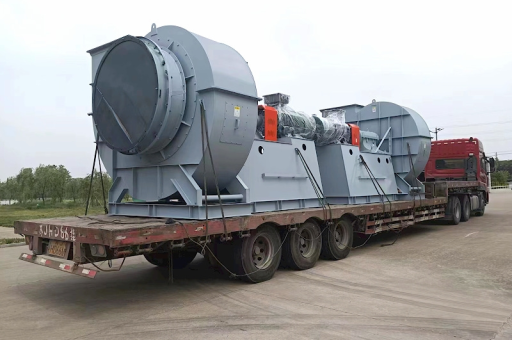
- Table of Contents
- Introduction to Q235 Centrifugal Fans
- What Is a High Air Flow Energy Saving Air Supply Fan?
- Key Structural Features of the Q235 Centrifugal Flow Fan
- Energy Efficiency and Performance Metrics
- Applications Across Industries
- Installation Best Practices
- Maintenance and Longevity Tips
- Frequently Asked Questions (FAQ)
- Conclusion
Article Title:
Maximizing Efficiency with the Q235 High Air Flow Energy Saving Air Supply Centrifugal Flow Fan: A Comprehensive Guide
Table of Contents
- Introduction to Q235 Centrifugal Fans
- What Is a High Air Flow Energy Saving Air Supply Fan?
- Key Structural Features of the Q235 Centrifugal Flow Fan
- Energy Efficiency and Performance Metrics
- Applications Across Industries
- Installation Best Practices
- Maintenance and Longevity Tips
- Frequently Asked Questions (FAQ)
- Conclusion
Introduction to Q235 Centrifugal Fans
The Q235 High Air Flow Energy Saving Air Supply Centrifugal Flow Fan represents a new standard in industrial ventilation technology. Built from Q235 steel—a high-quality carbon structural material known for its strength and weldability—this fan offers an optimal balance between airflow performance and energy conservation. In a world increasingly focused on reducing carbon footprints and operational costs, this centrifugal fan has become a critical component for heating, ventilation, and air conditioning (HVAC) systems, industrial exhaust, clean rooms, and agricultural ventilation.
Unlike traditional axial fans, centrifugal fans operate by drawing air into the center of a rotating impeller and discharging it at a 90-degree angle. This design enables higher static pressure, making them suitable for systems with ductwork or filtration. The Q235 variant enhances this design with a robust frame and corrosion-resistant surface treatment, ensuring longevity even in demanding environments.
What Is a High Air Flow Energy Saving Air Supply Fan?
To understand the specific benefits of the Q235 model, we need to break down its key descriptors:
- High Air Flow: Refers to the fan’s ability to move a large volume of air (measured in cubic feet per minute or cubic meters per hour) at a given speed. This is especially important for large industrial spaces, greenhouses, or server rooms requiring rapid temperature regulation.
- Energy Saving: Achieved through aerodynamic blade design, optimized motor efficiency, and reduced frictional losses. Many Q235 fans now integrate IE3 or IE4 premium efficiency motors, which can cut energy consumption by up to 30% compared to old squirrel-cage blowers.
- Air Supply: This indicates that the fan is primarily used for supplying fresh air or circulating conditioned air, rather than being an exhaust-only unit.
- Centrifugal Flow Fan: As opposed to axial fans, the centrifugal type uses a rotating impeller to increase air pressure and velocity. This creates a stable, high-pressure air stream even against resistance from filters, coils, or long ducts.
The Q235 material gives this fan advantage in cost-effectiveness, as it offers similar strength to stainless steel at a much lower price point. It is also easier to weld and form, allowing for complex aerodynamic shaping of the fan housing and blades.
Key Structural Features of the Q235 Centrifugal Flow Fan
The Q235 centrifugal fan is engineered with several noteworthy design elements that contribute to its high performance and reliability:
- Backward-Curved Blades: Most energy-efficient designs use backward-inclined or backward-curved blades. These reduce noise and energy consumption while achieving a high air movement coefficient.
- Heavy-Duty Housing: The Q235 steel housing is typically coated with epoxy powder or galvanized finish to resist rust and chemical damage. The housing is designed to minimize air turbulence, reducing both noise and pressure loss.
- Direct or Belt Drive Options: Direct-drive models are quieter and require less maintenance, while belt-driven versions offer flexibility in adjusting fan speed. The Q235 fan chassis can accommodate both configurations, allowing users to tailor operation to specific system requirements.
- Smooth Inlet Bell: To optimize airflow into the impeller, the unit includes a streamlined bell-mouth inlet. This reduces turbulence and pre-swirl, which can degrade performance by up to 15% in less refined models.
Energy Efficiency and Performance Metrics
Energy efficiency is the hallmark of the Q235 centrifugal fan. Key performance parameters include:
- Static Efficiency: Modern Q235 centrifugal fans achieve static efficiencies of 70%–85%, which means less power is needed to overcome system resistance.
- Specific Power (kW per 1000 m³/h): The EU's ErP Directive (for fans) sets limits on this ratio. Premium Q235 fans easily meet or exceed these standards.
- Variable Speed Drive Compatibility: These fans are fully compatible with VFDs (Variable Frequency Drives), which fine-tune motor speed to match demand. When combined with a building management system, this can reduce annual ventilation energy use by 40–60%.
- Low Noise Output: Thanks to optimized blade angles and dampening features, these fans operate at sound levels as low as 68–78 dB(A), which is competitive for commercial HVAC equipment.
Applications Across Industries
Because of its versatility, the Q235 High Air Flow Energy Saving Air Supply Centrifugal Flow Fan is widely deployed in:
- HVAC Systems: Commercial buildings (offices, shopping malls), clean rooms, and hospital isolation rooms where precise air pressure control is critical.
- Manufacturing Facilities: Used for fume extraction, fresh air make-up, and cooling of machinery.
- Agriculture: In poultry houses, pig barns, and mushroom growth rooms, maintaining consistent air temperature and humidity is vital; these fans provide the necessary airflow with minimal power use.
- Data Centers: Server rooms require 24/7 cooling. The high static pressure of centrifugal fans ensures air moves through CRAC (computer room air conditioning) units and under floor plenums efficiently.
- Marine & Offshore: Q235 steel’s weldability and strength make it suitable for ship ventilation systems where corrosion resistance and reliability are essential.
Installation Best Practices
To get the most out of a Q235 centrifugal fan, proper installation is crucial:
- Inline Ductwork: Mount the fan on vibration isolators (rubber-in-shear or spring mounts) to prevent structure-borne noise.
- Duct Transitions: Use gradual, not sudden, transitions between duct diameters. Abrupt changes cause turbulence and reduce total flow by 10–20%.
- Clearance: Ensure at least 1.5 times the impeller diameter of straight duct before and after the fan to stabilize airflow.
- Electrical Considerations: Always connect via a properly rated motor starter or VFD. Use check for correct rotation direction before starting.
- Weather Protection: If installed outdoors, provide a weather hood with bird screen to prevent debris ingress.
Maintenance and Longevity Tips
The Q235 fan is built to last for decades with minimal maintenance. Keep these pointers in mind:
- Routine Visual Checks: Inspect blades and housing for imbalance or wear every 3 months.
- Clean the Impeller: Dust build-up on blades can reduce efficiency by 20% and cause imbalance. Use compressed air or a soft brush at least every 6 months.
- Lubrication: Bearings should be greased according to the manufacturer’s schedule (typically every 1,000 hours for heavy loads).
- Belt Tension (if belt-driven): Check tension monthly—excessive slack reduces airflow; over-tightening damages bearings.
- Motor Performance: Measure motor current draw periodically; any increase beyond nameplate rating could indicate blockage or mechanical drag.
Frequently Asked Questions (FAQ)
Q1: What does "Q235" mean in the fan’s name?
A: Q235 is a Chinese standard carbon structural steel grade. It offers a yield strength of 235 MPa, providing good formability and weldability at a lower cost than stainless or alloy steels.
Q2: How much energy can I really save compared to a standard fan?
A: With premium energy motors (IE3/IE4) and VFD control, savings can be 30–50% over older models. Even without VFD, the aerodynamic blade design reduces operating kWh by up to 20%.
Q3: Can this fan be used for corrosive or explosive environments?
A: Standard Q235 options are suitable for mild environments. For corrosive or hazardous areas, look for specialized coatings (e.g., epoxy, PTFE) and ATEX-certified spark-resistant construction.
Q4: How loud is it during operation?
A: Depending on size and speed, noise levels typically range between 65 and 82 dB(A)—comparable to a vacuum cleaner or normal conversation. Adding sound attenuators can reduce this by 10–15 dB.
Q5: Does the fan require a special start-up sequence?
A: No—most models support direct-on-line starting. However, to reduce electrical stress and noise, use a soft starter or VFD for larger units above 5 HP.
Q6: What is the maximum static pressure this fan can handle?
A: This depends on the specific model, but typical Q235 centrifugal fans can deliver static pressures from 500 Pa up to 2500 Pa, making them suitable for moderate-to-high resistance duct systems.
Q7: Is the fan easy to integrate into an existing control system?
A: Yes. Many models come with standard mounting flange dimensions and 0–10 V or 4–20 mA inputs for VFD compatibility, allowing seamless integration with BMS controllers.
Conclusion
The Q235 High Air Flow Energy Saving Air Supply Centrifugal Flow Fan stands out as a durable, cost-effective, and energy-efficient solution for a wide variety of air movement challenges. Its robust construction from Q235 steel, coupled with advanced aerodynamic design and compatibility with modern motor technologies, makes it a wise choice for facility managers, HVAC consultants, and industrial engineers. Whether you need to ventilate a factory, cool a server room, or maintain climate control in a greenhouse, this fan delivers consistent, high-volume air supply without wasting energy—benefiting both your operational budget and the environment.
By choosing a model from a reputable manufacturer at fan, you can also access a full range of accessories, from vibration isolators to weather hoods, ensuring that your system performs at peak reliability for years to come.





