
This article's table of contents introduction:
- Introduction: The Critical Role of Explosion-Proof Fans in Chemical Gas Delivery
- What Is a Carbon Steel Medium Pressure Anti-Explosion Centrifugal Fan?
- Core Design Features and Material Selection
- Explosion-Proof Mechanism: How It Prevents Ignition in Hazardous Zones
- Performance Parameters and Selection Criteria for Chemical Plants
- Installation, Maintenance, and Safety Protocols
- Frequently Asked Questions (FAQ)
- Conclusion: Why This Fan Is Essential for Modern Chemical Operations
** Carbon Steel Medium Pressure Anti-Explosion Centrifugal Fan for Chemical Plant Gas Delivery: Design, Safety, and Performance Optimization
Directory Guide (Table of Contents)
- Introduction: The Critical Role of Explosion-Proof Fans in Chemical Gas Delivery
- What Is a Carbon Steel Medium Pressure Anti-Explosion Centrifugal Fan?
- Core Design Features and Material Selection
- Explosion-Proof Mechanism: How It Prevents Ignition in Hazardous Zones
- Performance Parameters and Selection Criteria for Chemical Plants
- Installation, Maintenance, and Safety Protocols
- Frequently Asked Questions (FAQ)
- Conclusion: Why This Fan Is Essential for Modern Chemical Operations
Introduction: The Critical Role of Explosion-Proof Fans in Chemical Gas Delivery
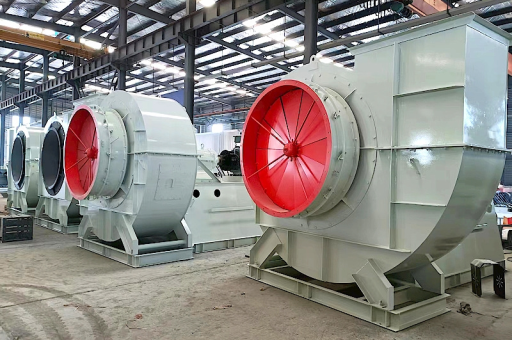
In chemical plants, the safe transportation of volatile gases is not just a matter of efficiency—it is a matter of survival. Gas delivery systems must operate in potentially explosive atmospheres, where even a small spark could trigger catastrophic consequences. This is where the Carbon Steel Medium Pressure Anti-Explosion Centrifugal Fan enters the scene. Engineered to handle flammable and corrosive gases, this fan combines robust mechanical design with stringent safety certifications.
Unlike standard industrial fans, anti-explosion centrifugal fans are designed to isolate ignition sources, withstand high temperatures, and prevent the propagation of flames into the plant environment. The use of carbon steel as the primary construction material offers a cost-effective balance between strength, durability, and resistance to chemical attack.
This article provides a comprehensive guide to understanding, selecting, and maintaining this critical piece of equipment, drawing on verified industry standards including ATEX, IECEx, and NFPA regulations.
What Is a Carbon Steel Medium Pressure Anti-Explosion Centrifugal Fan?
A Carbon Steel Medium Pressure Anti-Explosion Centrifugal Fan is a specialized fan designed to move gases at medium pressure levels (typically ranging from 1,500 Pa to 5,000 Pa) within chemical processing environments. The "anti-explosion" designation means that the fan's construction prevents internal sparks, static electricity, or overheating from igniting the surrounding flammable atmosphere.
Key characteristics include:
- Material: High-quality carbon steel (e.g., Q235, Q345) with optional anti-corrosion coatings.
- Pressure Classification: Medium pressure, suitable for gas delivery over moderate distances and through piping systems.
- Housing and Impeller: Designed with spark-resistant tolerances; impeller often made from aluminum or stainless steel to reduce frictional ignition risks.
- Certification: ATEX II 2G c T4 or similar, ensuring safe operation in Zone 1 or Zone 2 explosive gas environments.
According to industry data, these fans are widely used in chemical plant gas delivery systems for hydrogen, methane, acetylene, and other hydrocarbon-based gases.
Core Design Features and Material Selection
The design of an anti-explosion centrifugal fan is fundamentally different from a standard fan. The following features are critical:
- Explosion-Proof Motor: The motor is enclosed in a flameproof enclosure that can contain any internal explosion without transmitting it to the environment. The motor's electrical components are also rated for hazardous locations.
- Non-Sparking Impeller: The impeller is often made from a non-ferrous material or treated with a conductive coating to dissipate static charges. In carbon steel fans, the impeller may be lined or coated with anti-spark materials.
- Sealed Bearings and Shaft Seal: Bearings are shielded to prevent gas ingress, and the shaft passage is sealed with labyrinth seals or mechanical seals to prevent gas leakage.
- Reinforced Casing: The fan housing is constructed with thicker walls to withstand potential internal overpressure events. It is also designed with pressure relief panels to direct blast forces away from personnel.
Carbon steel is chosen for its high tensile strength and cost efficiency. However, for corrosive gases, a layer of epoxy or phenolic resin is often applied to enhance chemical resistance. A study published in the Journal of Loss Prevention in the Process Industries notes that carbon steel with proper coatings can extend fan life by up to 40% in mild acidic environments.
Explosion-Proof Mechanism: How It Prevents Ignition in Hazardous Zones
The core of the anti-explosion design lies in three principles: containment, isolation, and prevention.
- Containment: The fan housing and motor enclosure are built to withstand an internal explosion without rupturing. Flanges and joints are machined to tight tolerances, ensuring that hot gases cannot escape and ignite the atmosphere outside.
- Isolation: The fan is equipped with a flame arrester or a shaft grounding device to prevent electrical discharge. Additionally, the fan's electrical wiring is routed through explosion-proof conduits.
- Prevention: The impeller-to-casing gap is maintained at a minimum (often less than 0.5 mm) to prevent rubbing that could generate sparks. Static electricity is dissipated through grounding brushes or conductive couplings.
It is important to note that an anti-explosion fan does not create an explosion; it is designed to survive one internally while preventing external ignition. This distinction is crucial for plant safety engineers.
Performance Parameters and Selection Criteria for Chemical Plants
Selecting the right fan for a wind turbine or chemical plant gas delivery application requires balancing several parameters:
- Flow Rate (m³/h): Determines how much gas the fan can move per hour. For medium pressure applications, typical capacities range from 2,000 to 50,000 m³/h.
- Pressure (Pa): The fan must overcome the resistance of ducts, filters, and valves. Medium pressure fans typically operate between 1,500 and 5,000 Pa.
- Gas Temperature: Standard carbon steel fans handle temperatures up to 200°C. For higher temperatures, stainless steel or specialized alloys are recommended.
- Gas Composition: For corrosive or reactive gases, choose a fan with compatible coatings or linings. For hydrogen, the fan must be rated for high-pressure and leak-proof operation.
- Certification Level: Identify the plant zone (Zone 0, 1, or 2) and select a fan with corresponding ATEX or IECEx certification.
A common selection mistake is choosing a fan with insufficient pressure capability, leading to reduced gas flow and increased operational costs. Always perform a system curve analysis before purchase.
Installation, Maintenance, and Safety Protocols
Proper installation and maintenance are as important as the fan’s original design. Follow these guidelines:
- Foundation: Install on a rigid concrete base to reduce vibration, which can cause spark generation.
- Grounding: Ensure the fan and motor are properly grounded to dissipate static electricity. Use copper grounding straps.
- Piping: Use expansion joints to prevent thermal stress on the fan housing. Ensure all piping is electrically bonded.
- Inspections: Conduct monthly checks of bearing temperature, vibration levels, and impeller clearance. Replace worn seals immediately.
- Cleaning: Remove accumulated gas residues or dust from blades and housing to prevent corrosion and imbalance.
Failure to maintain grounding is one of the most common causes of static discharge in chemical plants, leading to ignition risks.
Frequently Asked Questions (FAQ)
Q1: Can a carbon steel anti-explosion fan be used for all chemical gas delivery? No. Carbon steel is not corrosion-resistant to all chemicals. For gases containing chlorine, sulfuric acid, or other strong oxidizers, stainless steel or fiberglass-reinforced plastic (FRP) fans are recommended.
Q2: What is the difference between an anti-explosion fan and a standard centrifugal fan? The key difference is the anti-explosion fan’s ability to prevent, contain, and isolate ignition sources. Standard fans lack flameproof enclosures, non-sparking impellers, and proper grounding.
Q3: How do I know if my fan is correctly certified for a wind turbine application? Check the fan’s nameplate for ATEX or IECEx marking. For wind turbine applications, also ensure the fan can operate in variable wind and temperature conditions without losing its anti-explosion seal.
Q4: Can this fan be used in a wind turbine installation? Yes, but only in areas where explosive gas mixtures may occur, such as near hydrogen storage or volatile chemical storage. For general wind turbine cooling, standard fans suffice.
Q5: How often should I replace the impeller? Impeller replacement depends on wear and tear. Typically, inspect every 6 months and replace if there is pitting, deformation, or loss of balance.
Conclusion: Why This Fan Is Essential for Modern Chemical Operations
The Carbon Steel Medium Pressure Anti-Explosion Centrifugal Fan is an indispensable asset for chemical plant gas delivery systems. It combines the structural resilience of carbon steel with the rigorous safety requirements of explosion-proof engineering. Whether you are moving methane, hydrogen, or pressurized solvent vapors, this fan ensures that your operation remains both efficient and safe.
As industries move toward higher safety standards and stricter regulatory compliance, investing in a properly certified anti-explosion fan is not an option—it is a necessity. Moreover, for wind turbine facilities that handle hydrogen as an energy carrier, these fans provide a critical link in safe gas delivery infrastructure.
Ultimately, the right fan saves lives, prevents downtime, and extends plant longevity. If you are in the process of selecting a fan for your chemical plant or wind turbine gas delivery system, prioritize quality, certification, and proper maintenance planning. Safety starts with the right equipment.





