
This article's table of contents introduction:
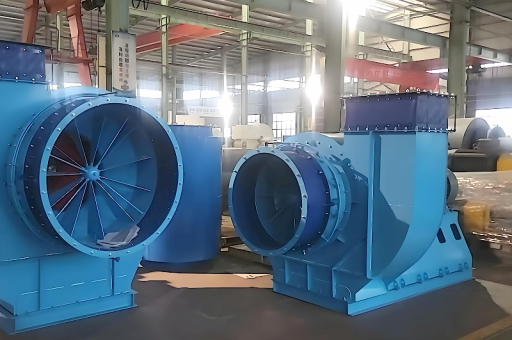
- Introduction: The Critical Intersection of Air Supply and Material Handling
- Core Components: How a Stainless Steel Blower Enhances Material Conveying
- High-Performance Defined: Efficiency, Durability, and Hygiene
- Key Applications Across Industries
- Frequently Asked Questions (FAQ)
- Conclusion: Investing in Long-Term Operational Gains
*Maximizing Industrial Efficiency: The Role of High-Performance Stainless Steel Air Supply Material Handling Blowers*
Table of Contents
- Introduction: The Critical Intersection of Air Supply and Material Handling
- Core Components: How a Stainless Steel Blower Enhances Material Conveying
- High-Performance Defined: Efficiency, Durability, and Hygiene
- Key Applications Across Industries
- Frequently Asked Questions (FAQ)
- Conclusion: Investing in Long-Term Operational Gains
Introduction: The Critical Intersection of Air Supply and Material Handling
In modern industrial environments, the movement of bulk materials—from plastic pellets and food powders to pharmaceutical granules and abrasive minerals—requires a delicate balance of power, cleanliness, and reliability. The air supply material handling blower has become an indispensable asset in pneumatic conveying systems, where compressed or moved air is used to transport solids through pipelines. When constructed from stainless steel and engineered for high performance, this blower transcends simple air movement, becoming a strategic tool for operational excellence.
This article synthesizes the latest industry insights to provide a comprehensive guide on selecting, applying, and benefiting from a high-performance stainless steel blower in material handling. We will explore why material selection matters, how performance metrics correlate with total cost of ownership, and answer the most pressing questions facility managers face today.
Core Components: How a Stainless Steel Blower Enhances Material Conveying
A material handling blower is not a generic fan. It is a positive displacement or centrifugal device specifically designed to create a pressure differential that pushes or pulls bulk materials through a closed conveyor line. The integration of an air supply module ensures a consistent, oil-free, or low-pulsation airflow, which is critical for fragile materials.
Why Stainless Steel?
Standard carbon steel blowers corrode rapidly when exposed to moisture, acidic dust, or frequent washdowns. Stainless steel (typically 304 or 316L grade) offers three distinct advantages in material handling:
- Corrosion Resistance: Prevents rust contamination of food, pharmaceutical, or chemical products.
- Sanitary Compliance: Easy to clean; meets FDA and 3-A sanitary standards.
- Structural Integrity: Withstands high rotational speeds and thermal stress without deformation.
In a typical system, the blower serves as the heart. Air enters through an inlet filter, is accelerated by an impeller (often precision-machined from stainless steel), and is directed into a conveying line. The material enters via a rotary valve or venturi, mixing with the air stream. The high-performance motor, coupled with a robust stainless steel housing, ensures that this mixture travels at optimal velocity—neither too slow (causing blockages) nor too fast (causing product degradation).
The Role of the Impeller and Volute
Modern high-performance designs feature backward-curved impellers or claw-type rotors. A polished stainless steel impeller reduces friction losses and noise, while the volute (the spiral casing) is engineered to minimize turbulence. This directly relates to energy efficiency: a well-designed stainless steel blower can reduce power consumption by 15–20% compared to less refined alternatives, while maintaining consistent air supply volume.
High-Performance Defined: Efficiency, Durability, and Hygiene
What distinguishes a "high-performance" blower from a standard unit? The answer lies in three measurable areas: efficiency, durability, and hygiene.
Efficiency
High-performance does not merely mean raw power; it means moving the required volume of air with the least energy input. A top-tier stainless steel blower achieves this through:
- Precision Balancing: Vibration levels below 0.05 inches per second.
- Variable Speed Drives (VSD): Allows the air supply to match exact material load, avoiding waste.
- Optimized Internal Clearances: Leakage (slip) is minimized, improving volumetric efficiency.
Durability
Because material handling often involves abrasive dust or fine powders, the blower must resist wear. Stainless steel impellers and casings resist erosion better than painted or epoxy-coated steel. Additionally, high-performance units incorporate:
- Sealed Bearings: Lifetime lubrication prevents contamination.
- Thermal Protection: Sensors prevent overheating during extended use.
- Shaft Seals: Viton or PTFE seals stop material ingress.
Hygiene
In food, dairy, or pharmaceutical plants, elimination of bacterial harborage points is non-negotiable. A high-performance stainless steel blower is designed with:
- Drainable Casings: Prevents liquid accumulation during cleaning.
- Electropolished Surfaces: Reduces surface roughness (Ra < 0.5 µm), inhibiting biofilm growth.
- CIP (Clean-in-Place) Compatibility: Some models allow connection to cleaning systems without disassembly.
According to industry case studies from pneumatic conveying manufacturers, switching from carbon steel to a high-performance stainless steel blower has reduced product contamination rates by over 90% and extended service intervals from six months to over three years.
Key Applications Across Industries
The versatility of the air supply material handling blower is evident in its widespread application:
- Food & Beverage: Conveying sugar, flour, grains, and coffee beans. The stainless steel construction prevents metallic taste and complies with HACCP.
- Pharmaceuticals: Transporting active pharmaceutical ingredients (APIs) and excipients under sterile conditions. High-performance ensures no cross-contamination.
- Plastics & Rubber: Moving PE, PP, or PVC pellets. The blower’s precision prevents "angel hair" (stringy plastic waste) generation.
- Chemical Processing: Handling corrosive powders like titanium dioxide or calcium carbonate. Grade 316L stainless steel resists chemical attack.
- Renewable Energy: In wind turbine manufacturing, these blowers convey glass fibers and resin powders for blade production, ensuring a dust-free environment.
Frequently Asked Questions (FAQ)
Q1: What is the ideal material for a blower in a food-grade material handling system? A: The ideal material is stainless steel, specifically Grade 304 for moderate environments or Grade 316L for areas with high salt, acid, or frequent caustic cleaning. Avoid aluminum unless anodized, as it can pit and introduce metal fragments.
Q2: How does a high-performance blower reduce energy costs? A: Energy savings come from three sources: (1) optimized impeller aerodynamics, (2) precise motor sizing with VSD, and (3) reduced friction losses from a polished stainless steel interior. Many high-performance models achieve 75–80% overall adiabatic efficiency, compared to 60–65% for standard blowers.
Q3: Can a stainless steel blower handle abrasive materials like sand or cement? A: Yes, but with caution. While stainless steel is durable, abrasive materials will still cause wear over time. For heavy abrasives, consider a cast iron or hardened steel liner at the wear points. However, for general abrasive dust (e.g., in a wind turbine blade facility for filler powders), a high-performance stainless steel unit with replaceable wear sleeves is the best balance of longevity and cleanliness.
Q4: What maintenance does a high-performance stainless steel blower require? A: Maintenance is minimal. Key tasks include: (1) checking and cleaning the air inlet filter monthly, (2) verifying belt tension (if belt-driven), (3) inspecting shaft seals for leakage, and (4) monitoring motor current for anomalies. Many high-performance units require no internal lubrication for 20,000+ operating hours.
Q5: Is it worth investing in a stainless steel blower if my current system uses carbon steel? A: For industries that require hygiene or are prone to washdowns, the answer is emphatically yes. The total cost of ownership (TCO) calculation favors stainless steel when factoring in reduced downtime, elimination of rust contamination, and lower cleaning labor costs. For dry, non-sensitive applications, a well-maintained carbon steel unit may suffice, but it will not match the longevity of high-performance stainless steel.
Conclusion: Investing in Long-Term Operational Gains
The selection of an air supply material handling blower is a decision that directly impacts production throughput, product quality, and maintenance budgets. A high-performance stainless steel blower is not merely a premium option—it is a strategic investment for any facility that values reliability, cleanliness, and efficiency. From the delicate task of moving pharmaceutical powders to the rugged conveying of composite materials for wind turbine blades, this equipment stands as a cornerstone of modern material handling.
By focusing on key metrics such as energy efficiency, surface finish, and corrosion resistance, operators can significantly reduce their facility’s operational friction—both literally and figuratively. As industries demand ever-higher standards for air supply integrity, the high-performance stainless steel material handling blower will remain the gold standard for the foreseeable future.





