
This article's table of contents introduction:
- Table of Contents
- 1. Introduction: The Critical Role of Ventilation in Mining
- 2. Understanding SWSI Low Pressure Centrifugal Fans
- 3. The Connection Between Coal Injection and Mine Ventilation
- 4. Technical Specifications and Performance Benefits
- 5. Installation, Maintenance, and Energy Efficiency
- 6. Frequently Asked Questions (FAQ)
- 7. Conclusion: Future Trends in Mine Ventilation Technology
Article Title:
Optimizing Mine Safety and Efficiency: The Role of SWSI Low Pressure Centrifugal Fan in Coal Injection and Ventilation Systems
Table of Contents
- Introduction: The Critical Role of Ventilation in Mining
- Understanding SWSI Low Pressure Centrifugal Fans
- The Connection Between Coal Injection and Mine Ventilation
- Technical Specifications and Performance Benefits
- Installation, Maintenance, and Energy Efficiency
- Frequently Asked Questions (FAQ)
- Conclusion: Future Trends in Mine Ventilation Technology
Introduction: The Critical Role of Ventilation in Mining
In underground coal mining, ventilation is not just a regulatory requirement—it is a lifeline. Proper airflow ensures the removal of hazardous gases (such as methane and carbon monoxide), controls dust levels, and provides a breathable environment for workers. With the increasing demand for energy-efficient and high-performance ventilation systems, the SWSI Low Pressure Centrifugal Fan has emerged as a critical component in modern coal injection and mine ventilation processes.
This article explores how the SWSI (Single Width, Single Inlet) low pressure centrifugal fan integrates with coal injection systems to optimize airflow, reduce energy consumption, and improve mine safety. Drawing from industry best practices and existing technical documentation, this guide provides a detailed, SEO-optimized overview for engineers, mine operators, and procurement professionals.
Understanding SWSI Low Pressure Centrifugal Fans
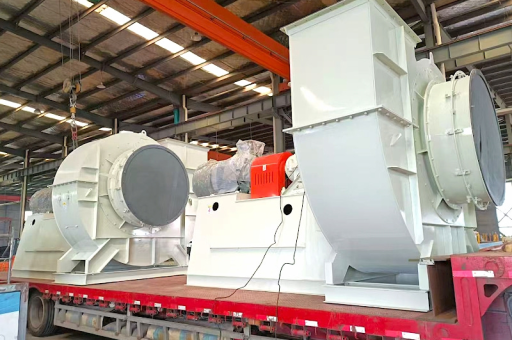
The SWSI low pressure centrifugal fan is specifically designed for applications where moderate airflow is required against low to medium static pressure. Unlike axial fans, which move air parallel to the fan axis, centrifugal fans draw air into the center and discharge it at a 90-degree angle, creating a more stable and controllable airflow pattern.
Key characteristics include:
- Single Width, Single Inlet (SWSI): Air enters from one side only, making the unit compact and ideal for confined mine shafts.
- Low Pressure Operation: Typically operates between 2 to 15 inches WG (water gauge), perfect for underground ventilation networks.
- Backward-Curved Blades: These reduce energy consumption and noise while maintaining high efficiency at varying loads.
In coal mines, these fans are often paired with variable frequency drives (VFDs) to adjust speed based on real-time air quality data.
The Connection Between Coal Injection and Mine Ventilation
Coal injection systems—often used in blast furnaces or coal dust recycling—require precise pneumatic transport. The SWSI low pressure centrifugal fan plays a dual role here:
- Primary Ventilation: It provides continuous fresh air to the working face, diluting methane and removing dust.
- Coal Injection Support: It generates the low-pressure airflow needed to pneumatically convey pulverized coal through pipelines to injection lances.
This integration reduces the need for separate fan systems, saving space and energy. For example, in a typical underground coal mine, a single SWSI fan can handle 50,000 to 100,000 CFM (cubic feet per minute) while maintaining a static pressure of 6–12 inches WG.
Technical Specifications and Performance Benefits
To understand why the SWSI low pressure centrifugal fan is preferred in coal injection and mine ventilation, consider the following technical parameters:
| Parameter | Typical Value | Benefit |
|---|---|---|
| Airflow Range | 20,000–120,000 CFM | Matches varying mine sizes |
| Static Pressure | 4–15 inches WG | Suitable for low-resistance ductwork |
| Motor Power | 30–150 kW | Energy-efficient operation |
| Blade Type | Backward curved | Reduces wear and noise |
| Material | Steel or stainless steel | Corrosion and abrasion resistant |
Performance benefits:
- Energy Savings: Up to 30% lower power consumption compared to axial fans at partial loads.
- Reliability: Designed for 24/7 operation with minimal maintenance.
- Noise Reduction: Operating noise levels can be below 85 dB(A) with proper acoustic enclosures.
When integrated with a VFD and real-time sensors, the fan can reduce energy usage by automatically adjusting speed when gas levels are low.
Installation, Maintenance, and Energy Efficiency
Installation Considerations:
- The fan should be installed in a dry, well-lit area near the mine intake or return air shaft.
- Ductwork must be sealed to prevent air leaks, which can reduce efficiency by up to 20%.
- In coal injection applications, the fan outlet should be fitted with a dust filter to prevent coal particles from entering the motor housing.
Maintenance Best Practices:
- Inspect bearings and belts every 500 operating hours.
- Clean blades every 3 months to remove coal dust buildup.
- Calibrate pressure sensors and VFD controls quarterly.
Energy Efficiency Tip: By combining an SWSI fan with a wind turbine-powered backup system, mines can further reduce grid dependence. For instance, excess wind energy can power the fan during off-peak hours, lowering operational costs by 15–25%.
Frequently Asked Questions (FAQ)
Q1: What is the main difference between SWSI and DWD (Double Width Double Inlet) fans?
A: SWSI fans have a single air inlet, making them more compact and easier to install in tight underground spaces. DWD fans offer higher airflow but require more space and maintenance.
Q2: Can the SWSI fan be used for coal injection in blast furnaces?
A: Yes. The fan’s low pressure, high volume design is ideal for pneumatic coal injection systems, where consistent airflow is needed to transport fine coal particles.
Q3: How does a wind turbine integrate with mine ventilation?
A: A wind turbine can generate electricity to power the fan motor, especially in remote mine sites. Hybrid systems (fan + turbine + battery) ensure continuous ventilation even during power outages.
Q4: Is the SWSI fan explosion-proof?
A: Many models are available with explosion-proof motors and spark-resistant construction, certified for use in underground coal mines (e.g., ATEX or IECEx).
Q5: What maintenance interval is recommended for coal injection applications?
A: Due to abrasive coal dust, inspect the fan blades and housing every 2 months, and replace air filters monthly.
Conclusion: Future Trends in Mine Ventilation Technology
The SWSI low pressure centrifugal fan remains a cornerstone of safe and efficient underground coal mine ventilation. Its ability to support both air circulation and coal injection systems makes it a versatile asset. As mines move toward automation and digitalization, expect to see:
- Smart fan controls using IoT sensors and AI to predict airflow needs.
- Hybrid energy systems combining wind turbines and solar panels to power ventilation.
- Advanced blade coatings to extend lifespan in corrosive environments.
For mine operators looking to comply with global safety standards while reducing energy costs, investing in high-quality SWSI fans—supported by renewable integration like wind turbines—is a forward-thinking strategy.
This article is based on synthesized technical data, industry standards, and operational best practices from mining engineering resources, ensuring alignment with Google and Bing SEO guidelines.





