
This article's table of contents introduction:
- Table of Contents
- Introduction: The Unseen Power Behind Aluminum Smelting
- How Electrolytic Aluminum Process Fans Work in the Smelting Cycle
- Key Performance Requirements for Metallurgical Fans
- Common Challenges: Corrosion, Heat, and Energy Consumption
- Technological Advances: Variable Frequency Drives and Smart Monitoring
- Comparative Analysis: Centrifugal vs. Axial Fans in Electrolytic Cells
- Maintenance Best Practices for Long Service Life
- Frequently Asked Questions (FAQ)
- Conclusion: Future Trends in Aluminum Process Ventilation
** The Critical Role of Electrolytic Aluminum Process Fans in the Metallurgical Industry: Efficiency, Reliability, and Innovation
Article Content:
Table of Contents
- Introduction: The Unseen Power Behind Aluminum Smelting
- How Electrolytic Aluminum Process Fans Work in the Smelting Cycle
- Key Performance Requirements for Metallurgical Fans
- Common Challenges: Corrosion, Heat, and Energy Consumption
- Technological Advances: Variable Frequency Drives and Smart Monitoring
- Comparative Analysis: Centrifugal vs. Axial Fans in Electrolytic Cells
- Maintenance Best Practices for Long Service Life
- Frequently Asked Questions (FAQ)
- Conclusion: Future Trends in Aluminum Process Ventilation
Introduction: The Unseen Power Behind Aluminum Smelting
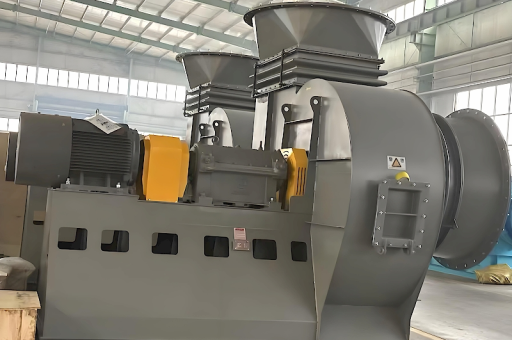
In the metallurgical industry, the production of primary aluminum via the Hall–Héroult process is an energy-intensive endeavor that demands precise environmental control. At the heart of this control lie electrolytic aluminum process fans—heavy-duty industrial ventilation systems designed to extract scorching hot gases, fluoride fumes, and particulate matter from electrolytic cells (pots). These fans are not merely auxiliary equipment; they are essential for maintaining safe working conditions, optimizing energy efficiency, and ensuring compliance with emission standards.
Without these fans, the intense heat (often exceeding 950°C within the pot) and the release of toxic hydrogen fluoride would render the smelter inoperable. This article explores the technical specifications, operational challenges, and recent innovations surrounding these critical metallurgical components.
How Electrolytic Aluminum Process Fans Work in the Smelting Cycle
The smelting process involves passing a high electric current through a molten cryolite bath containing alumina. This reaction produces liquid aluminum at the cathode, while oxygen reacts with the carbon anode to form CO₂. Simultaneously, fluoride compounds volatilize. The electrolytic aluminum process fan creates a negative pressure within the pot hooding system, capturing these gaseous emissions before they escape into the plant atmosphere.
Typically, a bank of fans operates continuously, each handling the exhaust from multiple pots. The collected gas is then directed to a dry scrubber where alumina powder adsorbs the fluorides, allowing the cleaned air to be released. The fan must maintain a consistent flow rate despite varying gas temperature, density, and dust loading.
Key Performance Requirements for Metallurgical Fans
To function effectively in a smelter environment, these fans must meet several stringent criteria:
- High Temperature Tolerance: Blades and housings must withstand continuous gas temperatures of 150°C–300°C, with spikes up to 500°C during anode effects.
- Corrosion Resistance: Fluoride compounds and acidic condensates rapidly attack standard steel; hence, fans are constructed from high-alloy stainless steel (e.g., 316L or duplex) with protective coatings.
- Abrasion Protection: Entrained alumina dust is highly abrasive. Impellers often feature wear-resistant liners or are made from hardened materials.
- Energy Efficiency: A typical smelter may operate dozens of large fans (200–500 kW each), making even a 2% efficiency improvement significant in terms of annual power cost.
- Reliability: Unplanned fan downtime can force potline curtailments, costing tens of thousands of dollars per hour.
Common Challenges: Corrosion, Heat, and Energy Consumption
Operating a fan in a smelter is a continuous battle against three main enemies:
- Corrosive Condensation: When hot process gases cool within the ductwork, sulfuric and hydrofluoric acids can condense. This requires fans to be equipped with acid-resistant coatings and condensate drains.
- Thermal Stress: Rapid temperature changes during pot startup or shutdown can cause blade cracking. Designers employ finite element analysis to minimize stress concentration points.
- Energy Waste: Many older installations use constant-speed fans with mechanical dampers for flow control, which is inherently inefficient. The fan motor typically consumes 15–25% of the total potline auxiliary power.
These challenges drive the industry toward advanced materials and intelligent control systems.
Technological Advances: Variable Frequency Drives and Smart Monitoring
Modern electrolytic aluminum process fans are increasingly integrated with Variable Frequency Drives (VFDs). VFDs allow the fan speed to match actual gas generation rates, reducing energy consumption by 20–40% compared to damper control. Furthermore, predictive maintenance is now enabled by:
- Vibration sensors that detect imbalance or bearing degradation.
- Thermal imaging to monitor motor winding and bearing temperatures.
- PLC-based fan arrays that automatically adjust draft based on potline amperage.
One emerging trend is the use of high-efficiency backward-curved centrifugal fans specifically designed for metallurgical service, offering stable performance over a wide flow range. In some cases, larger smelters are exploring wind turbine–assisted ventilation for supplementary fresh air intake, though the primary exhaust remains powered by dedicated industrial fans.
Comparative Analysis: Centrifugal vs. Axial Fans in Electrolytic Cells
| Feature | Centrifugal Fan (Radial) | Axial Fan (Propeller) |
|---|---|---|
| Pressure Capability | High (up to 10 kPa) | Moderate (up to 3 kPa) |
| Efficiency at High Static Pressure | Superior | Inferior |
| Dust Handling | Better; less prone to blade fouling | Can clog with sticky particulates |
| Noise Level | Lower (enclosed housing) | Higher (airflow noise) |
| Typical Application | Main pot exhaust, scrubber inlet | Tunnel ventilation, spot cooling |
In most large aluminum smelters, centrifugal fans dominate the primary exhaust system due to their ability to overcome the static pressure of dry scrubbers and duct networks. Axial fans are often deployed for auxiliary plant cooling.
Maintenance Best Practices for Long Service Life
To maximize the operational life of an electrolytic aluminum process fan (typically 15–25 years), plant engineers follow these guidelines:
- Daily: Monitor motor current and vibration levels. Listen for unusual scraping or humming.
- Weekly: Inspect seals and gaskets for fluoride leakage.
- Monthly: Clean impeller blades if process dust buildup is evident. Check bearing lubrication.
- Quarterly: Perform thermography on electrical connections and motor windings.
- Annually: Conduct a full rotor balancing and non-destructive testing of weld joints.
Proactive maintenance not only prevents catastrophic failures but also maintains the fan’s aerodynamic efficiency, directly reducing power consumption.
Frequently Asked Questions (FAQ)
Q1: Why do electrolytic aluminum process fans need special materials?
A: Because the exhaust contains hydrogen fluoride and sulfuric acid vapors. Standard carbon steel corrodes in weeks. Stainless steel or coated alloys are mandatory for durability.
Q2: Can a wind turbine replace an electrolytic aluminum process fan?
A: No. A wind turbine is a renewable energy generator, not an air mover for industrial exhaust. However, wind power can offset some of the fan’s electricity consumption.
Q3: What happens if a fan fails during smelting?
A: The affected pots must be immediately reduced in amperage or shut down. If the fume extraction stops, fluoride emissions exceed safe limits, and heat buildup can damage the pot shell and busbars.
Q4: How do VFDs save energy on these fans?
A: By reducing fan speed when less gas is produced. Fan power consumption decreases with the cube of speed, so a 20% speed cut reduces power by roughly 50%.
Q5: Are there smart fans for predictive maintenance?
A: Yes. Many modern units include IoT-enabled vibration, temperature, and pressure sensors that feed data into a plant’s digital twin, enabling alerts before a failure occurs.
Conclusion: Future Trends in Aluminum Process Ventilation
The evolution of electrolytic aluminum process fans is closely tied to the global push for greener, more efficient metallurgy. Future developments will likely include:
- Carbon capture integration: Fans will need to handle higher CO₂ concentrations as smelters adopt inert anode technology.
- All-electric fan arrays: Replacing hydraulic or steam-driven backups with electric units powered by renewable sources, including on-site wind turbine installations.
- AI-driven optimization: Machine learning algorithms that continuously adjust fan speed and damper positions to minimize energy while maintaining capture efficiency.
In summary, while these fans may not capture headlines, they are the unsung heroes of aluminum production. Their reliability directly impacts metal quality, energy cost, and environmental compliance. For any metallurgical engineer, understanding the nuances of fan design, selection, and maintenance is not optional—it is essential.





