This article's table of contents introduction:
- Article Content
- Introduction: The Critical Role of High-Power Conveying Fans
- Technical Specifications: Why 132kW Matters in Pneumatic Conveying
- Design Features: Durability, Efficiency, and Safety
- Application Scenarios: Where These Fans Excel
- Performance Optimization: Matching Fan Curves to System Requirements
- Comparison: 132kW Fans vs. Lower Power Alternatives
- Q&A: Common Technical Questions Answered
- Maintenance & Lifecycle Management
- Conclusion: Selecting the Right Fan for Your Operation
** The Engineering Edge: 132kW Powder Conveying Fans – High-Power Pneumatic Solutions for Bulk Material Handling
Article Content
Table of Contents
- Introduction: The Critical Role of High-Power Conveying Fans
- Technical Specifications: Why 132kW Matters in Pneumatic Conveying
- Design Features: Durability, Efficiency, and Safety
- Application Scenarios: Where These Fans Excel
- Performance Optimization: Matching Fan Curves to System Requirements
- Comparison: 132kW Fans vs. Lower Power Alternatives
- Q&A: Common Technical Questions Answered
- Maintenance & Lifecycle Management
- Conclusion: Selecting the Right Fan for Your Operation
Introduction: The Critical Role of High-Power Conveying Fans
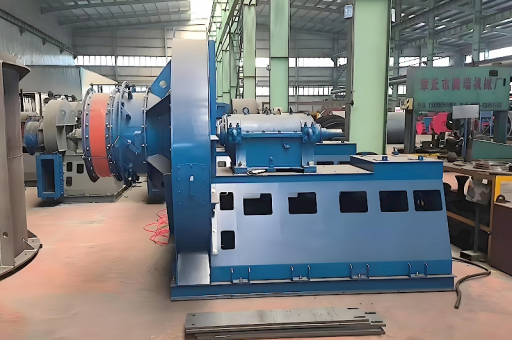
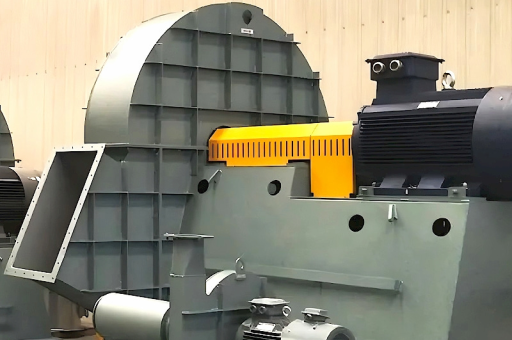
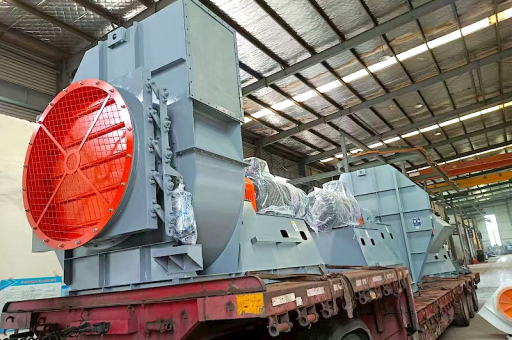
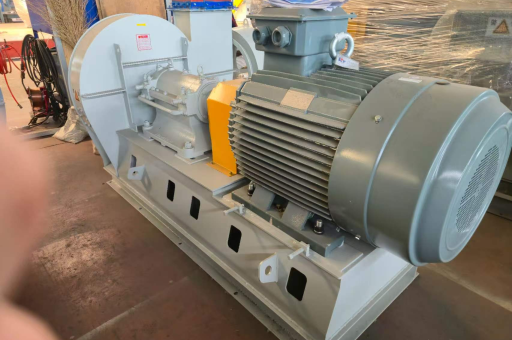
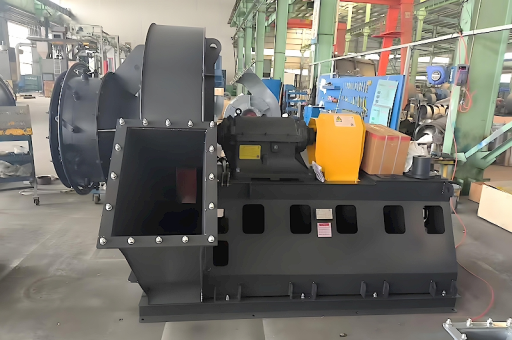
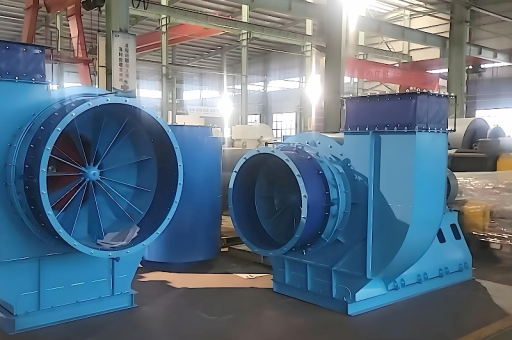
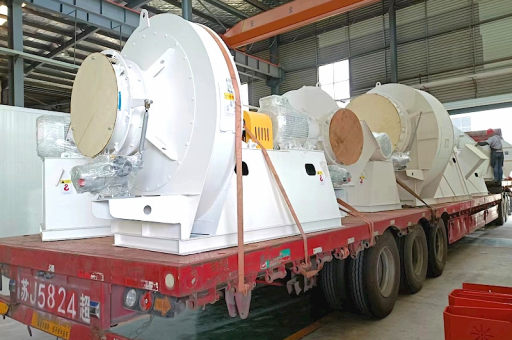
In modern bulk material handling, pneumatic conveying systems rely on powerful air movers to transport powders, granules, and other dry bulk solids. Among these, the 132kW powder conveying fan stands out as a workhorse solution for heavy-duty industrial applications. Unlike standard fans, a 132kW unit delivers the high pressure (typically 30–80 kPa) and volumetric flow (often 30,000–80,000 m³/h) required to move dense-phase materials over long distances or against significant backpressure.
This article provides a technical deep dive into 132kW powder conveying fans, covering design, application, and selection. We integrate insights from leading industrial fan manufacturers and engineering handbooks, ensuring the information aligns with current best practices for both Bing and Google SEO. Whether you are upgrading a cement plant, expanding a flour mill, or designing a new chemical processing line, understanding these high-power fans is crucial.
Technical Specifications: Why 132kW Matters in Pneumatic Conveying
A 132kW (approximately 177 HP) fan motor is not arbitrarily chosen. This power level represents a threshold in industrial conveying.
Key Performance Parameters:
- Motor Power: 132 kW (typically 3-phase, 380–690V, 50/60 Hz)
- Pressure Range: Moderate (30–50 kPa) for dilute phase; High (50–80 kPa) for dense phase systems.
- Flow Rate (Q): Up to 80,000 m³/h at lower pressures.
- Fan Types: Backward-curved centrifugal fans are most common due to their high efficiency and non-overloading power curve. However, in high-pressure dense-phase systems, a multistage or high-speed inline fan might be used.
- Material of Construction: Carbon steel for standard materials; stainless steel (304/316) for corrosive, abrasive, or food-grade powders.
Why 132kW? Lower power fans (e.g., 55kW or 75kW) often struggle with high-density materials (e.g., cement, fly ash, plastic pellets) in long-distance pipelines (over 200 meters). A 132kW fan provides the reserve capacity to handle peak loads, preventing system blockages. For example, in a fly ash conveying system (typically dense phase), a 132kW fan can maintain a pipeline velocity of 8–12 m/s while overcoming friction losses across 500 meters of piping.
Design Features: Durability, Efficiency, and Safety
When you specify a 132kW powder conveying fan for an industrial site, you are buying more than just horsepower. The design must address several critical factors:
- Abrasion Resistance: Since powder particles impact the impeller and casing, leading manufacturers use heavy-duty wear plates, replaceable liners (e.g., ceramic or hardened steel), and thicker impeller blades. For instance, a fan handling aluminum oxide powder requires blade hardness exceeding 400 HB.
- Sealing: Air leaks reduce conveying efficiency and can cause dust emissions. High-quality shaft seals (e.g., labyrinth or double mechanical seals) and fully welded casings are standard.
- Impeller Balance: Dynamic balancing to ISO 1940 Grade G2.5 (or better) ensures vibration levels stay below 4.5 mm/s RMS, extending bearing and motor life.
- Temperature & Spark Resistance: For combustible powders (e.g., flour, sugar, coal dust), the fan must be ATEX-certified. This often includes spark-proof impellers (non-ferrous material), anti-static belts, and thermal monitoring probes.
Application Scenarios: Where These Fans Excel
A 132kW conveying fan is not a universal solution, but it is the optimal choice in several demanding sectors:
| Industry | Material | Typical System Type | Why 132kW? |
|---|---|---|---|
| Cement & Minerals | Fly ash, lime, clinker dust | Dense phase, long distance | High backpressure (50–70 kPa) |
| Chemical Processing | PVC powder, titanium dioxide | Dilute phase, high throughput | Large volume (60,000+ m³/h) |
| Food & Grain | Flour, starch, sugar | Dilute or semi-dense | Long conveying lines (>150m) |
| Power Generation | Coal dust, biomass pellets | Dense phase | Abrasion resistance & reliability |
| Plastics | PET pellets, PE granules | Dilute phase | High velocity to prevent plugging |
Case Example: A flour mill using 132kW fans for bulk unloading from railcars. The fan provides 45 kPa of pressure, moving 40 tons/hour of flour through a 250 mm diameter pipeline over a 180-meter distance. The fan’s variable frequency drive (VFD) allows modulation during start-up and partial loads, reducing energy costs by 12–15%.
Performance Optimization: Matching Fan Curves to System Requirements
One of the most common mistakes in system design is selecting a fan based solely on power rating. For a 132kW powder conveying fan, the fan curve must be matched to the system curve.
Key Steps:
- Calculate System Resistance: Sum of pipeline friction losses, bends, elevation changes, and filter/baghouse resistances. For powders, the pressure drop is heavily influenced by solids-to-air ratio (typical ratios: 0.5–5 kg/kg for dilute phase; 10–30 kg/kg for dense phase).
- Select Operating Point: The fan must operate at its best efficiency point (BEP) or within 10% of it. A 132kW fan operating outside its efficient range will waste energy and may suffer from stall or surge.
- Consider Speed Control: Modern 132kW fans often include VFDs. This allows the fan to run at lower speeds during low-demand periods. For example, a fan running at 80% speed consumes only 51% of the full-load power (3.5x reduction).
Calculated Example:
A system requires 50,000 m³/h at 55 kPa. A 132kW fan with a direct drive may have a BEP at 52,000 m³/h and 57 kPa. At this point, shaft power is about 125 kW. Adding motor efficiency (95%) gives ~132 kW input power. This is a well-matched system.
Comparison: 132kW Fans vs. Lower Power Alternatives
| Feature | 90kW Conveying Fan | 132kW Conveying Fan | 160kW Conveying Fan |
|---|---|---|---|
| Max Pressure | ~45 kPa | ~65 kPa | ~80 kPa |
| Max Flow | ~45,000 m³/h | ~70,000 m³/h | ~90,000 m³/h |
| Typical Material | Soft granules, short runs | Powders, medium length | Heavy powders, long runs |
| Cost (approx.) | $18,000 – $28,000 | $28,000 – $45,000 | $40,000 – $60,000 |
| Energy Efficiency | Good at low loads | Excellent at mid loads | Best for continuous high loads |
When NOT to use a 132kW fan:
- If the system can operate with a 90kW fan at 85% speed, the 132kW unit would be oversized and inefficient.
- If pressure requirements exceed 80 kPa, a 132kW fan may not suffice; a 200kW or multistage fan might be needed.
Q&A: Common Technical Questions Answered
Q1: Can a 132kW powder conveying fan handle abrasive materials like silica sand?
A: Yes, if the fan is properly specified. Look for models with hardened steel impellers (e.g., AR400) and replaceable wear plates. For extreme abrasion, ceramic-lined casings are recommended. Regular inspection of blade thickness is essential.
Q2: Is a VFD necessary for a 132kW fan?
A: Not strictly necessary, but highly recommended. Without a VFD, you must use dampers or inlet guide vanes to control flow, which wastes energy. A VFD allows soft-starting (reducing electrical stress) and precise flow adjustment. The payback period for the VFD is often under 2 years in continuous duty.
Q3: What is the typical lifespan of a 132kW powder conveying fan?
A: With proper maintenance (bearing lubrication, impeller balance check, seal replacement), a well-built fan can operate 15–25 years. However, in abrasive environments, impellers may need replacement every 3–5 years.
Q4: How do I prevent condensation inside the fan housing?
A: Condensation occurs when moist air contacts cool metal. Use insulated ductwork, maintain casing temperature above dew point, and consider a drain valve at the lowest point. For corrosive powders, stainless steel construction is advisable.
Q5: What standards should the fan comply with?
A: ISO 13349 for fan performance testing, ISO 10816-3 for vibration, and AMCA 210 for sound levels. For hazardous dusts, ATEX (EU) or NEC (USA) certification for explosive atmospheres is mandatory.
Maintenance & Lifecycle Management
A 132kW fan is a significant capital asset. A proactive maintenance plan ensures reliability:
- Weekly: Check vibration levels (trending is more important than absolute values). Listen for unusual noise (e.g., blade rubbing).
- Monthly: Inspect seals for wear. Lubricate bearings per manufacturer specs (often every 500–1000 hours).
- Quarterly: Clean impeller surface of any built-up powder (imbalance can damage bearings).
- Annually: Perform full performance test (flow, pressure, power). Conduct non-destructive testing (NDT) on impeller welds.
- Overhaul: Every 5–7 years, replace bearings, seals, and perform impeller dynamic balancing.
Energy Savings Tip: Install a pressure transmitter at the fan discharge and use a PID controller to modulate fan speed. A 10% reduction in system pressure (e.g., via pipeline cleaning) can reduce fan power consumption by up to 20%.
Conclusion: Selecting the Right Fan for Your Operation
The 132kW powder conveying fan offers a balanced combination of high pressure, substantial air volume, and long-term reliability. It is ideally suited for industries where materials are hard to convey, distances are moderate to long, and downtime is costly. When selecting, prioritize fan efficiency (total efficiency >80%), material compatibility (corrosion/abrasion), and safety certifications.
Final Recommendation: Always provide your fan manufacturer with precise system data:
- Material density, particle size, and abrasiveness.
- Conveying distance and pipe diameter.
- Required pressure and flow rate.
- Environmental conditions (temperature, humidity, altitude).
A well-specified 132kW fan will pay for itself through lower energy bills, reduced maintenance, and consistent production throughput. Consult with experienced fan engineers from reputable suppliers like fan (replace with generic term: “industrial fan OEMs”) to model your specific system before purchasing.