This article's table of contents introduction:
- Table of Contents
- 1. Introduction: The Critical Role of High-Volume Dust Collection
- 2. Technical Specifications: Understanding the 29,000 m³/h Capacity
- 3. Key Design Features for Industrial Exhaust Fans
- 4. Installation Best Practices and System Integration
- 5. Energy Efficiency and Operational Cost Analysis
- 6. Maintenance Strategies for Longevity and Performance
- 7. Frequently Asked Questions (FAQ)
- 8. Conclusion: The Future of Industrial Dust Control
** Optimizing Industrial Air Quality: The Definitive Guide to the 29,000 m³/h Dust Collector Exhaust Fan
Table of Contents
- Introduction: The Critical Role of High-Volume Dust Collection
- Technical Specifications: Understanding the 29,000 m³/h Capacity
- Key Design Features for Industrial Exhaust Fans
- Installation Best Practices and System Integration
- Energy Efficiency and Operational Cost Analysis
- Maintenance Strategies for Longevity and Performance
- Frequently Asked Questions (FAQ)
- Conclusion: The Future of Industrial Dust Control
Introduction: The Critical Role of High-Volume Dust Collection
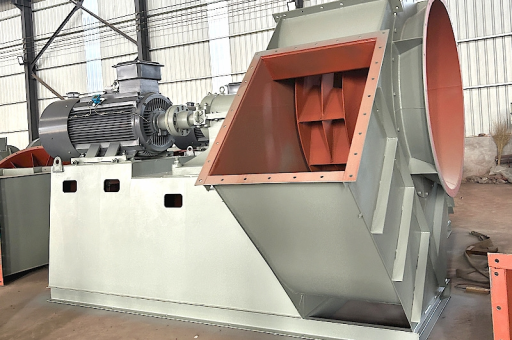
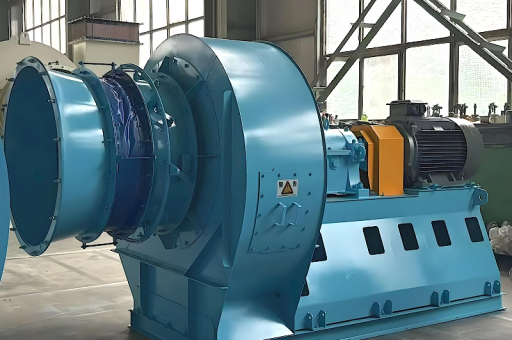
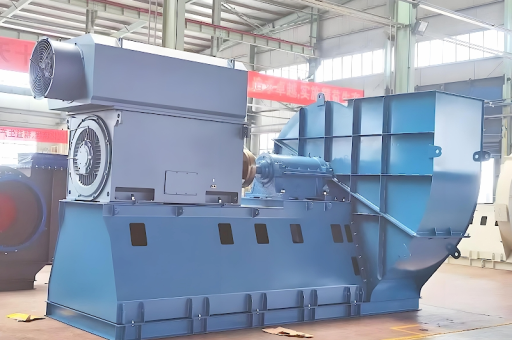
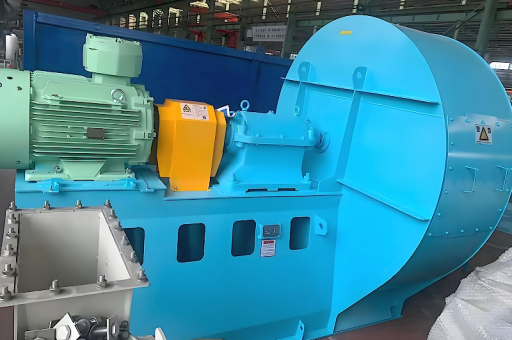
In modern industrial environments, particulate matter is not just a nuisance; it is a direct threat to worker health, equipment integrity, and compliance with environmental regulations. Among the most powerful tools in air quality management is the 29,000 m³/h dust collector exhaust fan. This high-capacity ventilation system is engineered to move vast volumes of air—specifically 29,000 cubic meters per hour—to capture and extract fine dust, fumes, and airborne contaminants from manufacturing, woodworking, mining, and chemical processing facilities.
Unlike standard ventilation fans, a dust collector exhaust fan of this magnitude is designed to handle heavy particulate loads without clogging or efficiency loss. It serves as the "heart" of a centralized dust collection system, creating negative pressure that pulls dirty air through ductwork, filters, and cyclones before releasing clean air. This article provides a comprehensive, SEO-optimized exploration of this equipment, covering its technical design, installation, maintenance, and common questions.
Question: Why is 29,000 m³/h a benchmark capacity? Answer: This airflow rate is ideal for medium-to-large facilities (e.g., 10,000–25,000 sq ft workshops) requiring 12–20 air changes per hour. It balances powerful suction with manageable power consumption, typically using a 15–25 kW motor. It is a standard "sweet spot" for industrial dust collection.
Technical Specifications: Understanding the 29,000 m³/h Capacity
A 29,000 m³/h dust collector exhaust fan is not a simple "off-the-shelf" product. It is a precision-engineered system that must match static pressure requirements, duct length, and filter resistance. Key technical parameters include:
- Airflow Volume: 29,000 cubic meters per hour (equivalent to approximately 17,000 CFM). This is enough air to completely evacuate a 5,000 m³ room in under ten minutes.
- Static Pressure: Typically 1,500–2,500 Pa (6–10 inches w.g.). High static pressure is crucial for overcoming the resistance of long ductwork, cartridge filters, and baghouses.
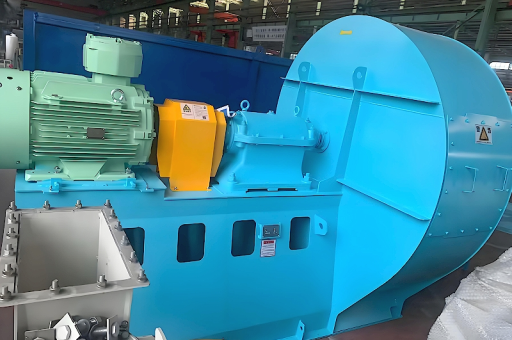
- Motor Power: 15 kW to 30 kW, usually driven by an IE3 or IE4 premium efficiency induction motor. Variable Frequency Drive (VFD) compatibility is highly recommended for soft starting and speed optimization.
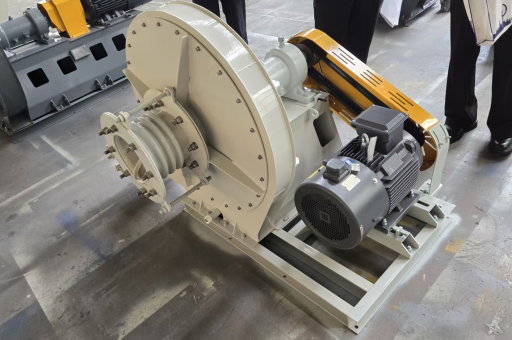
- Impeller Design: Backward-curved or radial-blade centrifugal impellers are standard. These provide high efficiency at high pressures and are resistant to abrasion from fine dust.
- Material Construction: Heavy-duty steel (for standard dust) or stainless steel (for corrosive or wet environments). Fan housings are often coated with anti-corrosion epoxy.
Question: Can this fan handle "explosive dust" like aluminum or grain? Answer: Yes, but only with modifications. For combustible dust (ATEX or NFPA 68/69 compliant), the fan must use spark-resistant construction (e.g., non-ferrous impellers), anti-static belts, and explosion-proof motors. Never use a standard fan in these environments.
Key Design Features for Industrial Exhaust Fans
To reliably move 29,000 m³/h of dust-laden air, the fan must incorporate robust engineering features:
- Self-Cleaning Impeller: Some models include a semi-open impeller design that prevents dust buildup on the blades, reducing imbalance and vibrations.
- Bearing Isolators: High-temperature or sealed bearings with grease relief ports extend service life. Some fans use split-pillow block bearings for easy replacement without removing the fan.
- Inlet and Outlet Flanges: Standardized to match ductwork (often 500–600 mm diameter). Inlet boxes with dampers allow for volume control.
- Vibration Monitoring: Integrated ports for accelerometers, allowing predictive maintenance via real-time vibration analysis.
- Sound Attenuation: For indoor installations, a silencer or sound enclosure is often required to reduce noise below 85 dBA.
Question: What is the difference between this fan and a "roof exhaust fan"? Answer: Roof exhaust fans are typically low-pressure, high-volume units designed for general ventilation. A 29,000 m³/h dust collector exhaust fan is a high-pressure, centrifugal fan designed to push air through filters and long ducts. They are not interchangeable.
Installation Best Practices and System Integration
Proper installation of a 29,000 m³/h dust collector exhaust fan is critical to achieving its rated performance. Key steps include:
- Ductwork Sizing: The main trunk duct must be sized to keep air velocity between 18–23 m/s for horizontal transport and 15–20 m/s for vertical transport. Undersized ducts increase static pressure and reduce airflow.
- Foundation and Isolation: The fan should be mounted on a reinforced concrete base or heavy steel frame with vibration isolators. Soft connections (flexible canvas ducts) at the inlet and outlet prevent vibration transmission to the ductwork.
- Electrical and VFD Setup: Wire the motor to a dedicated VFD with the correct amperage. Program acceleration and deceleration times (typically 15–30 seconds) to avoid belt slip or motor overload.
- Filter Matching: The fan must be selected based on the total pressure drop of the filtration system. A baghouse with dirty filters may require 2,000 Pa; a pleated cartridge filter system may require 1,500 Pa. Always overshoot static pressure by 10–15% for safety margin.
Question: Can I install this fan outdoors? Answer: Yes, but it requires a weatherproof housing and a drain for condensation. Ensure the motor is IP55 or higher (providing protection against dust and water jets). Also, consider wind load on the fan stack.
Energy Efficiency and Operational Cost Analysis
Operating a 29,000 m³/h dust collector exhaust fan 8–16 hours per day can lead to significant electricity costs. However, modern energy-saving strategies can reduce consumption by 30–50%.
- Variable Speed Drives (VFD): Reducing fan speed by just 20% reduces power consumption by nearly 50% (fan affinity laws). Use a VFD to match fan speed to real-time demand, such as during low-production periods.
- High-Efficiency Motors: Replace standard motors with IE4 or NEMA Premium motors. A 25 kW motor running 4,000 hours/year at $0.12/kWh costs approximately $12,000/year. An IE4 motor can save $1,200–$2,000 annually.
- Leak Reduction: A 1% leak in ductwork can reduce system efficiency by 3–5%. Regular duct inspections and sealing using mastic or rubber gaskets prevent energy waste.
- Filter Optimization: High-efficiency cartridge filters with low initial pressure drop (e.g., <200 Pa) reduce fan energy load. Cleaning filters on a differential pressure schedule (not a fixed time schedule) prevents unnecessary high-resistance periods.
Question: How do I calculate my annual running cost? Answer: Use the formula: Annual Cost = (Power in kW) × (Hours per Year) × ($/kWh). For a 20 kW fan running 12 hours/day, 300 days/year: 20 × 12 × 300 × $0.12 = $8,640. Adding a VFD and lowering average speed can cut this to ~$5,500.
Maintenance Strategies for Longevity and Performance
A 29,000 m³/h dust collector exhaust fan requires a structured maintenance plan to avoid unplanned downtime.
| Interval | Task | Critical Checkpoint |
|---|---|---|
| Daily | Visual inspection for unusual noise, vibration, or temperature. | Check VFD display for current draw. |
| Weekly | Check belt tension and alignment (if belt-driven). | Use a belt frequency gauge for accuracy. |
| Monthly | Check impeller dust accumulation; clean if needed. | Use a tachometer to verify RPM matches spec. |
| Quarterly | Lubricate bearings per manufacturer spec. | Do not over-grease; it causes overheating. |
| Annually | Full disassembly: inspect impeller welds, housing wear, and shaft seal. | Replace worn bearings and balance the impeller. |
Signs of trouble: A gradual increase in motor current (without airflow change) indicates filter clogging or impeller wear. A sudden spike in vibration suggests foreign object damage or balance loss.
Question: How often should I replace the impeller? Answer: With proper maintenance, a cast steel impeller can last 8–12 years in non-abrasive wood dust. For hard, sharp particles like silica or glass dust, replace every 3–5 years. Use a hardness tester on impeller edges periodically.
Frequently Asked Questions (FAQ)
Q1: What is the difference between a "dust collector exhaust fan" and a "blower"? A: In industrial terminology, an exhaust fan pulls air from the process and exhausts it to the atmosphere or through filters. A blower typically pushes air into a process. A dust collector exhaust fan is specifically designed for suction-side applications with high static pressure.
Q2: Can I use this fan for welding fume extraction? A: Yes, if the fan and ductwork are made of corrosion-resistant materials (e.g., stainless steel for hexavalent chromium). Welding fume can be sticky and acidic, so self-cleaning impellers are highly recommended.
Q3: Does this fan require a dedicated circuit? A: Yes. A 29,000 m³/h fan typically operates at 380–480V three-phase and draws 40–80 amps. Use a dedicated breaker and a line reactor to protect the VFD from harmonics.
Q4: How do I verify the actual air volume is 29,000 m³/h after installation? A: Use a pitot tube traverse in the main duct (approximately 10 diameters downstream of the fan). Calculate velocity pressure and multiply by duct area. Many installation contracts include performance testing as a condition of acceptance.
Q5: What safety standards apply (OSHA, EU)? A: In the US, OSHA 29 CFR 1910.94 requires ventilation systems to capture contaminants at the source. In the EU, the CE and ATEX directives apply. The fan must have a guard per ISO 14120 and lockout/tagout capability per NFPA 70E.
Conclusion: The Future of Industrial Dust Control
The 29,000 m³/h dust collector exhaust fan is not merely a commodity item; it is a critical safety and productivity asset. As regulations tighten globally—OSHA’s silica standard and the EU’s tightening PM2.5 limits—facilities must invest in reliable, high-efficiency exhaust systems that provide measurable performance.
Looking ahead, smart fan technology is emerging: IoT sensors that monitor vibration, current, and filter differential pressure in real time, allowing predictive maintenance via cloud dashboards. Furthermore, energy recovery technologies (heat from exhaust air) may become standard for facilities in colder climates, turning a cost center into an energy savings opportunity.
When selecting a 29,000 m³/h dust collector exhaust fan, do not base your decision solely on price. Evaluate the fan’s static pressure capability, material durability, bearing life, and ease of maintenance. Partner with a manufacturer that provides on-site performance testing and remote monitoring support. A correctly chosen and maintained fan will deliver decades of reliable service, safeguarding both your workforce and your bottom line.
Final Thought: The air you don't see is the air your workers breathe. Invest in quality, and the dividends are health, compliance, and uninterrupted production.