This article's table of contents introduction:
- What does 45kW mean in this context?
- Typical Applications
- Key Technical Features of such a Fan
- Challenges of a 45kW Fan
- Manufacturer Examples
- Critical Questions before purchasing/specifying
- Summary Table
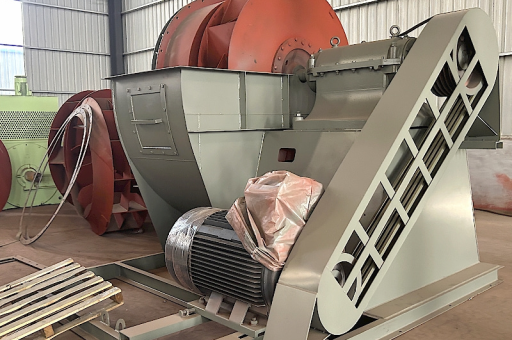
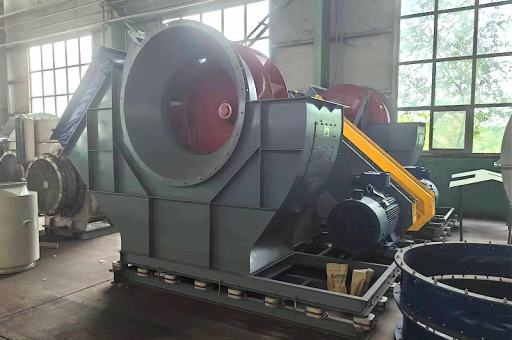
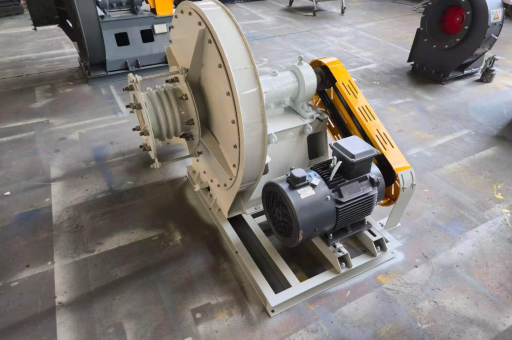
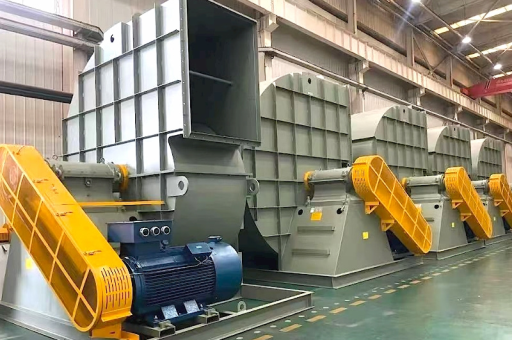
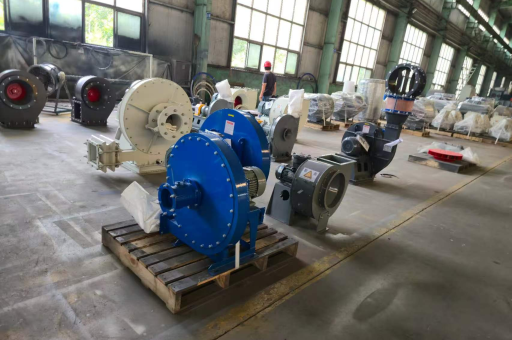
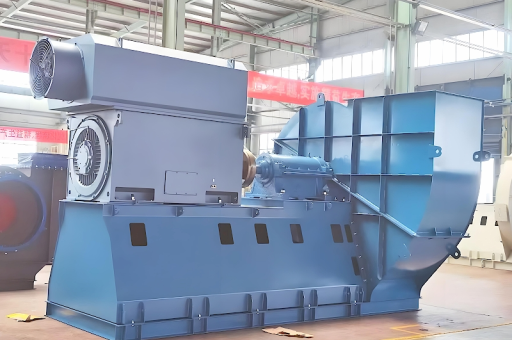
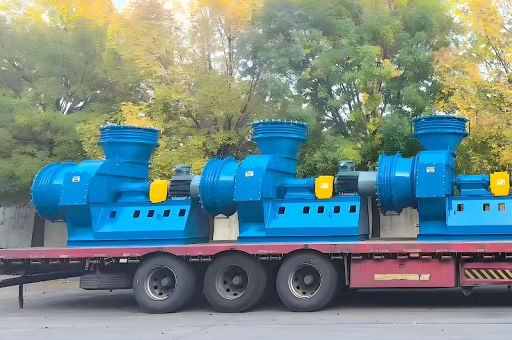
The term "45kW Sweeper Truck Fan" refers to a high-power electric or hydraulic fan system used in heavy-duty road sweepers (like street sweepers or airport runway sweepers). The "45kW" (kilowatts) indicates the power consumption or output of the fan motor.
Here is a breakdown of what that specification means and where it is typically used:
What does 45kW mean in this context?
- Power: 45 kW is approximately 60 horsepower (HP). This is a very powerful fan.
- Purpose: This power is used to drive the suction fan (the main centrifugal fan that creates the vacuum to suck debris from the sweeper brushes into the hopper).
- Current Draw (if electric): For a 45kW electric fan motor running on 400V 3-phase power, the current draw is roughly 80-85 Amps. This requires significant electrical infrastructure or a very large onboard generator/battery system.
Typical Applications
A 45kW fan is at the upper end of sweeper technology. You would find this in:
- Municipal Airport Sweepers: Needed to clear FOD (Foreign Object Debris) from runways at high speeds.
- Mining Sweepers: Cleanup of heavy, dense material (dust, gravel, mud) in underground mines or large surface mines.
- Heavy-Duty Industrial Sweepers: Large factories (steel mills, cement plants) or port terminals.
- Vacuum Truck / Street Sweeper: Used for high-speed sweeping on highways or for collecting debris from storm drains.
Key Technical Features of such a Fan
- Type: Centrifugal (squirrel cage or radial blade) to handle high static pressure.
- Drive System:
- Hydraulic: Most common in traditional sweepers. A diesel engine powers a hydraulic pump, which drives the fan motor. 45kW requires a large hydraulic pump.
- Electric: Becoming more popular in hybrid and fully electric sweepers. It requires a massive battery (e.g., 100+ kWh) to run the fan for a full shift.
- PTO (Power Take-Off): Directly driven from the truck engine via a gearbox.
- Airflow: A 45kW fan can move approximately 15,000 to 25,000 m³/hour (9,000 to 15,000 CFM) depending on the impeller design and system resistance (duct length, filter restriction).
Challenges of a 45kW Fan
- Energy Consumption: It is a huge energy load. In a battery-electric sweeper, a 45kW fan running constantly would drain a 200kWh battery in about 4 hours.
- Noise: A fan this powerful is extremely loud (often exceeding 100 dBA).
- Heat: The motor and controller generate significant heat requiring cooling systems.
- Weight: The fan assembly and motor can weigh several hundred kilograms.
Manufacturer Examples
If you are looking for a specific part or machine:
- Elgin Sweeper: Their high-speed or heavy-duty models (e.g., Elgin Whirlwind, Elgin Broom Badger) use similar power ranges.
- Dulevo: Their large airport sweepers (Dulevo 5000 series) have high-power fan systems.
- Aebi Schmidt: Their large industrial sweepers often use hydraulic fans in this power class.
- Factory Electric Motors: Brands like Siemens, ABB, WEG, or Baldor make 45kW electric motors (usually frame size 280-315) suitable for fan drives.
Critical Questions before purchasing/specifying
- Drive type? (Electric, hydraulic, PTO?)
- RPM? (Typical fan speed is 1800-3600 RPM)
- Voltage? (For electric: 380V, 400V, 480V 3-phase, or DC high voltage for battery systems)
- Airflow (m³/h) & Static Pressure (Pa/mmH2O)? (A 45kW motor can be fitted with different impellers for high flow at low pressure or low flow at high pressure).
- Is it for a new build or a replacement for an existing sweeper?
Summary Table
| Specification | Value |
|---|---|
| Power | 45 kW (60 HP) |
| Typical Application | Airport, Mining, Heavy Industrial Sweepers |
| Drive Type | Hydraulic or Electric (PTO also possible) |
| Approx. Airflow | 15,000 – 25,000 m³/h |
| Noise Level | Very High (>100 dBA) |
| Battery Impact (if EV) | Drains ~45% of a 100kWh battery per hour (full load) |
If you have a specific sweeper model or a technical requirement (like output shaft diameter, flange size, or desired CFM), please provide it for a more precise answer.