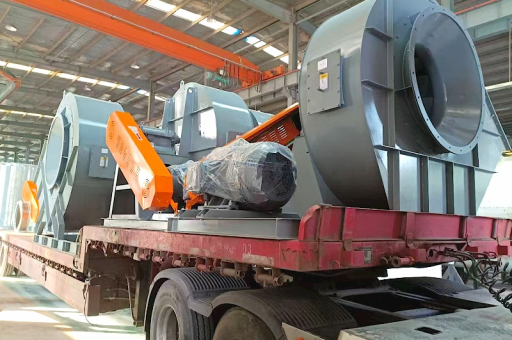
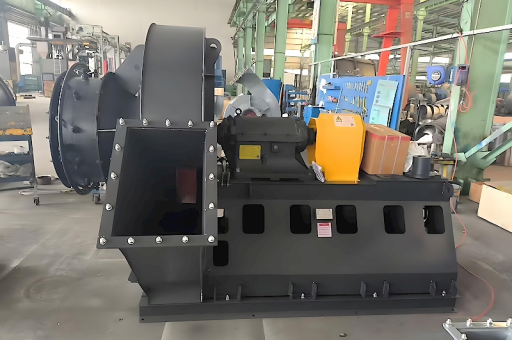
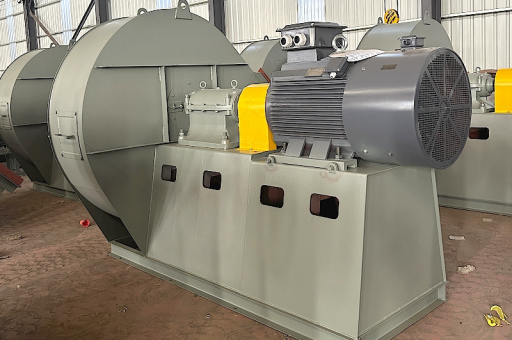
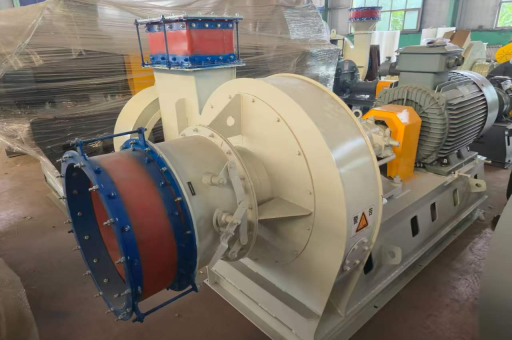
This article's table of contents introduction:
- What is a Backward-Curved Centrifugal Fan?
- Key Characteristics of Backward-Curved Fans
- Applications for a 2.2kW Unit
- Typical Specifications to Expect
- Important Considerations for Selection
- Summary
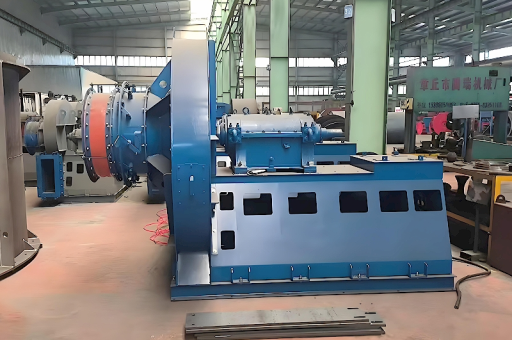
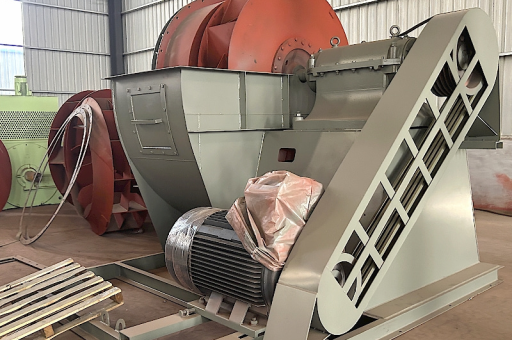
This is a specification for a specific type of industrial fan. Here is a breakdown of what a 2kW Backward-Curved Centrifugal Fan is, its common applications, and key specifications you should look for.
What is a Backward-Curved Centrifugal Fan?
- Backward-Curved (BC): This refers to the shape of the fan blades. Unlike forward-curved blades (which look like hamster wheels), BC blades curve away from the direction of rotation.
- Centrifugal: Air is drawn into the center of the wheel and expelled outward at a 90-degree angle by centrifugal force.
Key Characteristics of Backward-Curved Fans
- High Efficiency: BC fans are the most efficient type of centrifugal fan. They handle air more aerodynamically, leading to lower energy consumption for the same airflow.
- Non-Overloading Power Curve: This is the most critical feature. The motor power draw (kW) peaks at a certain point and then drops off. This means the motor is protected from overloading if the ductwork is blocked or the system pressure changes unexpectedly.
- Higher Speed: They typically operate at higher RPMs than forward-curved fans for the same duty.
- Lower Noise (relatively): For the same performance, they are generally quieter than forward-curved or radial fans.
Applications for a 2.2kW Unit
A 2.2kW motor is relatively small for an industrial fan but powerful for a commercial or light industrial unit. Common uses include:
- HVAC Systems: Air handling units (AHUs) for commercial buildings, schools, and hospitals.
- Dust Collection: Small to medium dust collection systems for woodworking shops or light manufacturing.
- Industrial Ventilation: General ventilation in warehouses, factories, or spray booths.
- Clean Air Transfer: Moving clean or slightly dusty air.
- Process Drying: Providing forced air for drying equipment.
Typical Specifications to Expect
When sourcing or specifying a 2kW Backward-Curved Centrifugal Fan, you will need to match the motor and impeller to the system's demand. Here are the typical performance ranges:
| Parameter | Typical Range for a 2.2kW BC Fan |
|---|---|
| Motor Power | 2 kW (3 HP) |
| Max Airflow (m³/h) | 2,000 - 4,000 m³/h (1,200 - 2,400 CFM) |
| Max Static Pressure | 800 - 2,500 Pa (3.2 - 10.1 in.wg) |
| Speed (RPM) | 1,400 - 2,900 RPM (depends on 50Hz or 60Hz supply) |
| Impeller Diameter | 250mm - 400mm (10" - 16") |
| Voltage | 230V (Single Phase) or 400V (Three Phase) |
| Sound Level (dBA) | 65 - 80 dBA (at 1m distance) |
Important Considerations for Selection
- Single vs. Three Phase:
- A 2.2kW fan is the upper limit for single-phase (230V) residential/light commercial power in many countries.
- Three-phase (400V) is strongly recommended for industrial use. It provides smoother operation, higher starting torque, and is easier on the electrical grid.
- Fan Construction:
- Look for a direct-drive (impeller directly on the motor shaft) for higher efficiency and lower maintenance.
- A belt-driven fan allows for speed adjustment by changing pulley ratios.
- Material:
- Mild Steel (MS): Standard for clean air.
- Stainless Steel (SS304/316): For corrosive environments, food processing, or pharmaceutical applications.
- Aluminum Impeller: Lighter weight, often used for higher speeds.
- Airflow and Pressure Curve: You must match the fan's performance curve to the system resistance (pressure drop from ducts, filters, dampers). A fan will only deliver its rated airflow if the system pressure is correct.
Summary
A 2kW Backward-Curved Centrifugal Fan is a versatile, efficient, and durable unit ideal for moving moderate amounts of air against moderate pressure. Its non-overloading nature makes it a safe choice for systems with variable resistance. If you need to move air in a ducted system (HVAC, dust extraction, process drying) and value reliability and low energy use, this is an excellent choice.