
This article's table of contents introduction:
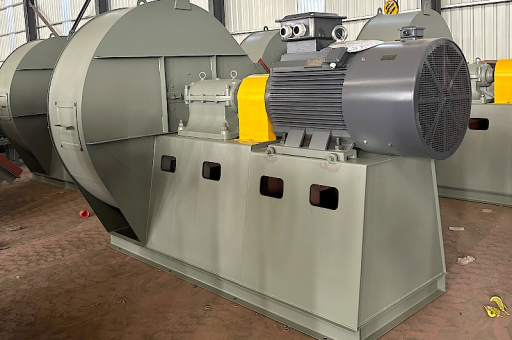
- The Primary Air (PA) Fan
- The Primary Air Exhaust Fan (The Kiln Exhaust / Induced Draft Fan)
- Comparative Summary Table
- Best Practices for Both Fans
This is a critical topic. In a cement plant's pyro-process line (specifically the Preheater & Kiln system), the Primary Air (PA) Fan and the Exhaust Fan (often called the ID Fan - Induced Draft Fan) serve distinct but related functions. "Ventilating" or "Air Process" for these fans involves managing their pressure, temperature, and flow to ensure stable kiln operation.
Here is a detailed breakdown of the function, control, and ventilation principles for the Primary Air Fan and the Exhaust Fan in a cement plant.
The Primary Air (PA) Fan
Purpose: To supply high-pressure air to the kiln burner pipe (at the kiln hood) for combustion of the primary fuel (coal, petcoke, or natural gas). It provides the initial "blasting" force to push the flame and mix fuel with air.
Key Characteristics:
- Medium Pressure, Medium Volume: Pressure typically ranges from 500 to 1000 mm WG (Water Gauge).
- Low Temperature: Ambient temperature air (20-40°C).
- Clean Air: The air is drawn from the atmosphere, often after being filtered.
Ventilation/Operation Strategy:
- Volume Control: The PA fan flow is controlled by Variable Frequency Drives (VFDs) or inlet guide vanes. The flow must match the fuel rate to maintain the correct primary air ratio (typically 5-10% of total combustion air for modern low-NOx burners).
- Pressure Regulation: The fan must overcome the resistance of the burner pipe and the pressure inside the kiln hood (which is slightly negative or positive). A stable discharge pressure is critical for flame shape and stability.
- Safety Interlocks (Crucial):
- Low Flow Trip: If the PA fan stops or loses flow, the kiln burner must trip immediately to prevent an explosion of uncombusted fuel.
- Purge Cycle: Before ignition, the PA fan must run for a set time (e.g., 5 minutes) to purge the kiln and preheater of any combustible gases.
- Typical Issues:
- Erosion: Coal particles can erode the fan impeller and casing.
- Unbalance: Dust accumulation on the impeller causes vibration.
- Inlet Blockage: Clogged air filters reduce flow.
Ventilating the PA Fan: This usually refers to ensuring the motor and bearing housings are properly ventilated and cooled, especially if located in a hot area near the kiln hood.
The Primary Air Exhaust Fan (The Kiln Exhaust / Induced Draft Fan)
Important Note: In cement terminology, "Primary Air Exhaust Fan" is an unusual term. The main exhaust fan for the kiln is the Kiln Induced Draft (ID) Fan or the Preheater Exhaust Fan. It draws the hot gases through the preheater, calciner, and kiln.
Purpose: To pull combustion gases (flue gas) from the kiln, through the preheater towers (where raw meal is heated), and then to the gas cleaning system (ESP or Baghouse) and finally to the stack.
Key Characteristics:
- High Volume, High Pressure: This is the largest fan in the plant. Volume can exceed 500,000 m³/hr.
- High Temperature: Gas temperature at fan inlet is typically 300-400°C (after the raw mill is bypassed or shut down). It can surge to 450°C+.
- Dusty & Corrosive Gas: Contains raw meal dust, alkali vapors, and CO.
Ventilation/Operation Strategy:
- Draft Control: The ID fan creates a negative pressure (e.g., -20 to -50 mm WG) at the kiln inlet/exit. This "draft" is the primary driver for the entire gas flow.
- Temperature Management: The ID fan is the most temperature-sensitive piece of equipment. It must never exceed its design temperature (e.g., 400°C). If the preheater outlet temperature rises too high, the fan speed is reduced (or a bypass is opened) to pull more ambient air, or the plant must reduce production.
- Vibration Monitoring: Due to heavy dust loads, rotors can accumulate deposits, leading to severe vibration. Online vibration sensors are mandatory.
- Inlet Guide Vanes (IGVs): Used alongside VFDs to provide precise draft control, especially during startup and shutdown when pressure transients are high.
- Safety Systems:
- High Temperature Trip: Prevents thermal damage to the fan.
- High Vibration Trip: Prevents catastrophic rotor failure.
- CO Detection: If excessive CO is detected (incomplete combustion), the fan speed is controlled to prevent explosion beyond the Lower Explosive Limit (LEL).
Ventilating the ID Fan:
- Cooling Air: The bearings and shaft seals often require external cooling air from dedicated fans to protect against radiant heat.
- Bypass Damper: For raw mill/coal mill circuits, dampers redirect gases to ventilate the mills, using the ID fan to pull air through them.
Comparative Summary Table
| Feature | Primary Air (PA) Fan | Kiln Exhaust (ID) Fan |
|---|---|---|
| Main Function | Deliver combustion air to the burner | Pull hot gases through the pyro-system |
| Location | Near Kiln Hood (Cooler Area) | Between Preheater & Dust Collector |
| Air/Gas | Clean, ambient air | Hot, dusty, corrosive flue gas |
| Temperature | 20-40°C | 300-400°C (can spike) |
| Pressure | High (500-1000 mmWG) | Negative ( -20 to -80 mmWG) |
| Control Variable | Flow (matching fuel rate) | Draft (pressure) and Temperature |
| Critical Risk | Explosion (uncombusted fuel) | Over-Temperature & Vibration |
Best Practices for Both Fans
- Ductwork Integrity: Leaks in the PA duct cause loss of combustion air efficiency. Leaks in the ID duct cause false air ingress, reducing draft efficiency and increasing power consumption.
- Dampers: Ensure dampers are fully open during operation and fully closed during maintenance to allow safe isolation (Lockout/Tagout).
- Bearing Monitoring: Continuous temperature and vibration monitoring is essential for both fans.
- Startup Sequence:
- Start the ID Fan first (to establish negative pressure).
- Then start the PA Fan (to provide air for ignition).
- Never start a burner without the PA fan running.
In summary: You must manage the Primary Air Fan for flow and pressure to support combustion, and the Exhaust (ID) Fan for draft and temperature to move gases safely through the system. Proper ventilation of both their environments (motor cooling, bearing cooling, and duct tightness) is essential for safe, continuous cement production.





