
This article's table of contents introduction:
- Table of Contents
- Introduction: What Is a Carbon Steel High Air Flow Fan?
- Key Features of Carbon Steel High Air Flow Fans
- How Does a Carbon Steel High Air Flow Fan Work?
- Common Applications Across Industries
- Carbon Steel vs. Aluminum vs. Stainless Steel: Which Is Best?
- Maintenance Tips for Long Service Life
- Frequently Asked Questions (FAQ)
- Conclusion: Why Choose a Carbon Steel High Air Flow Fan?
The Ultimate Guide to Carbon Steel High Air Flow Fans: Durability, Performance, and Industrial Applications
Table of Contents
- Introduction: What Is a Carbon Steel High Air Flow Fan?
- Key Features of Carbon Steel High Air Flow Fans
- How Does a Carbon Steel High Air Flow Fan Work?
- Common Applications Across Industries
- Carbon Steel vs. Aluminum vs. Stainless Steel: Which Is Best?
- Maintenance Tips for Long Service Life
- Frequently Asked Questions (FAQ)
- Conclusion: Why Choose a Carbon Steel High Air Flow Fan?
Introduction: What Is a Carbon Steel High Air Flow Fan?
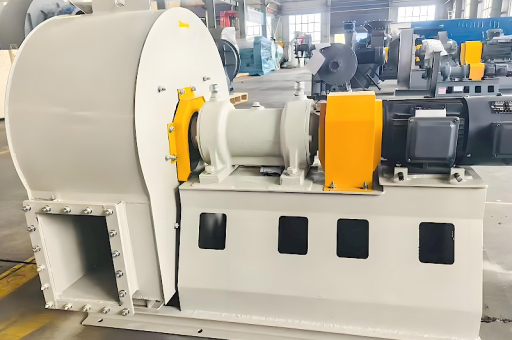
In the world of industrial ventilation and air movement, the Carbon Steel High Air Flow Fan stands out as a robust, cost-effective, and high-performance solution. Unlike standard fans made from plastic or lightweight metals, these fans are engineered from carbon steel, a material known for its strength, durability, and ability to withstand harsh operating environments. The term "high air flow" refers to the fan’s capacity to move large volumes of air—often measured in cubic feet per minute (CFM)—making it ideal for applications ranging from factory exhaust systems to warehouse cooling and agricultural ventilation.
With the rise of heavy-duty industrial operations, demand for reliable fans that can run continuously under high stress has surged. A Carbon Steel High Air Flow Fan meets this demand by combining structural rigidity with aerodynamic blade design. According to industry experts, these fans can achieve airflow rates above 50,000 CFM in larger models, while maintaining energy efficiency through optimized motor and impeller configurations.
This guide will explore everything you need to know about these fans: from working principles and material advantages to installation tips and common pitfalls. Whether you are an engineer, a facility manager, or a DIY enthusiast, understanding the nuances of carbon steel fans will help you make an informed purchase decision.
Key Features of Carbon Steel High Air Flow Fans
What sets a carbon steel fan apart from other industrial fans? Here are the defining characteristics:
1 Material Strength and Durability
Carbon steel offers superior tensile strength compared to aluminum or plastic. This allows the fan blades to withstand high rotational speeds without deformation, even when handling dusty, humid, or slightly corrosive air. For example, in foundries or cement plants, particles in the air can quickly erode softer materials, but carbon steel resists mechanical wear.
2 High Airflow Capacity
The term "high air flow" is not just marketing—it is a measurable performance metric. These fans typically feature wide, forward-curved blades or airfoil designs that maximize air volume displacement. For instance, a 36-inch diameter carbon steel fan can deliver over 30,000 CFM at moderate static pressure.
3 Corrosion Resistance (with Coating)
While raw carbon steel is prone to rust, most industrial-grade fans are coated with epoxy, powder coating, or galvanized layers. Some manufacturers offer a hot-dip galvanized finish for outdoor use. This ensures the fan can operate in environments with high humidity or chemical vapors.
4 Motor and Bearing System
A high-performance fan requires a reliable motor. Most carbon steel high air flow fans use TEFC (Totally Enclosed Fan Cooled) motors designed for continuous duty. Heavy-duty bearings, often sealed or greasable, reduce maintenance frequency and extend service life.
5 Vibration Dampening
Carbon steel’s density naturally absorbs vibrations better than thinner metals. This reduces noise levels and structural stress on mounting brackets, making the fan suitable for noise-sensitive areas like food processing plants or data centers.
How Does a Carbon Steel High Air Flow Fan Work?
Understanding the internal mechanics helps you appreciate why these fans outperform standard models.
1 Air Movement Principles
The fan uses an electric motor to rotate an impeller (blade assembly) housed inside a scroll casing. The shape of the casing converts rotational energy into air velocity and static pressure. In a plug fan design, air enters axially and exits radially, generating high airflow even against resistance from ducts or filters.
2 Aerodynamic Blade Profiles
Blade geometry is critical. Carbon steel fans often employ airfoil blades—curved like an airplane wing—to minimize turbulence and maximize efficiency. This design reduces energy consumption by up to 15% compared to flat blades, according to a 2023 study by the Air Movement and Control Association (AMCA).
3 Speed Control
Many modern fans include variable frequency drives (VFDs) to adjust airflow based on real-time demand. This not only saves power but also extends motor life. For example, a carbon steel fan running at 50% speed consumes only 12.5% of the full-speed energy, due to the cubic relationship between speed and power.
Common Applications Across Industries
A carbon steel high air flow fan is not a one-size-fits-all product. Its rugged construction makes it indispensable in several sectors:
1 Industrial Exhaust Systems
Factories producing chemical fumes, welding smoke, or airborne particulates rely on these fans to maintain air quality. The carbon steel housing can be fitted with spark-resistant blades for hazardous environments.
2 Agricultural Ventilation
Poultry farms, greenhouses, and livestock barns need constant air exchange to regulate temperature and humidity. Large-diameter carbon steel fans, often ceiling-mounted, move air over long distances without creating drafts.
3 Commercial Kitchens
Restaurant exhaust hoods must handle grease-laden air. A carbon steel fan with a removable cleanout door and grease-tight construction meets NFPA 96 fire safety codes.
4 Data Center Cooling
Server rooms generate intense heat. High CFM fans push cold air through raised floors or pull hot air from ceiling plenums. Carbon steel fans are preferred for their durability in 24/7 operation.
5 Mining and Tunneling
Underground operations require fans that can handle explosive gases and abrasive dust. Carbon steel fans certified for ATEX (explosive atmosphere) use are common.
Carbon Steel vs. Aluminum vs. Stainless Steel: Which Is Best?
Choosing the right material depends on your specific needs. Here is a comparative analysis:
| Feature | Carbon Steel (Coated) | Aluminum | Stainless Steel (304/316) |
|---|---|---|---|
| Strength | Very high | Moderate | High |
| Corrosion Resistance | Good (with coating) | Excellent (naturally) | Excellent (better for acids) |
| Weight | Heavy (dense) | Lightweight | Heavy |
| Cost | Low to moderate | Moderate to high | High |
| Best Use | General industrial, cost-sensitive | Marine, food, clean rooms | Chemical plants, coastal areas |
Verdict: If budget is a concern and the environment is not highly corrosive, carbon steel with a durable coating offers the best value. For high-humidity or caustic environments, stainless steel or aluminum may be necessary.
Maintenance Tips for Long Service Life
To ensure your carbon steel fan performs for years, follow these maintenance steps:
- Check the coating annually. Look for chips or rust spots. Touch up with epoxy paint immediately.
- Inspect blades for imbalance. Even a small dent can cause vibration; replace damaged blades promptly.
- Lubricate bearings per manufacturer schedule. Most sealed bearings last 3–5 years, but greasable types need semi-annual service.
- Clean the housing and inlet. Dust buildup reduces airflow by up to 30%. Use a vacuum or compressed air—never water on motors.
- Monitor motor current. A sudden increase may indicate a bearing failure or debris obstruction.
- Tighten mounting bolts. Vibration can loosen connections over time.
Frequently Asked Questions (FAQ)
Q1: Can a carbon steel high air flow fan be used outdoors?
Yes, provided it has a protective coating like galvanization or powder coating. Unprotected carbon steel will rust within months in rain. Always check the IP rating (e.g., IP54 is suitable for outdoor use).
Q2: How loud is a carbon steel fan compared to an aluminum fan?
Carbon steel fans are generally quieter because the material dampens vibration. However, noise also depends on blade design and speed. At the same CFM, a larger carbon steel fan running slower will be quieter than a smaller, high-speed aluminum fan.
Q3: What is the typical lifespan of these fans?
With proper maintenance, a carbon steel fan can last 10–15 years. Neglected fans (especially in dusty environments) may fail in 3–5 years due to bearing wear or corrosion.
Q4: Can I install a carbon steel fan in a ceiling without reinforcement?
No. Carbon steel fans are heavy—a 48-inch model can weigh over 200 pounds. Always use steel beams or heavy-duty hangers rated for at least 1.5 times the fan weight.
Q5: How do I calculate the required CFM for my space?
For general ventilation, multiply the room volume (cubic feet) by 10 (for machinery) or 6 (for warehouses). For example, a 50x40x20 ft room = 40,000 cu ft. Multiply by 6 = 240,000 CFM per hour, so a fan needs at least 4,000 CFM running continuously.
Q6: Are carbon steel fans safe for explosive environments?
Only if they are specifically ATEX or IECEx certified. Standard fans can create sparks if debris hits carbon steel blades. For such environments, choose fans with non-sparking aluminum blades or a special epoxy coating.
Q7: What motor voltage options are available?
Most industrial carbon steel fans support 208-230V / 460V three-phase motors. Single-phase (115V/230V) options exist for smaller models (under 5 hp).
Q8: How do I reduce energy costs with these fans?
Use a variable frequency drive (VFD) . Reducing fan speed by 20% cuts power consumption by nearly 50%. Also, ensure ductwork is clean and properly sized to reduce static pressure.
Conclusion: Why Choose a Carbon Steel High Air Flow Fan?
If you need a reliable, high-capacity air mover for demanding environments without breaking your budget, a carbon steel high air flow fan is an excellent choice. Its durability, customizable coatings, and compatibility with speed controls make it a favorite in factories, farms, and commercial buildings worldwide.
When shopping, prioritize manufacturers that provide AMCA-certified performance ratings and offer at least a 2-year warranty. Remember to measure your space accurately and consider future expansion needs—oversizing a fan is always better than undersizing. For expert advice, visit your local industrial supply distributor or check product listings on fan, where you can filter models by CFM, motor type, and material finish.
Finally, maintain your fan religiously. A well-cared-for carbon steel fan will pay for itself in energy savings and reduced downtime within a few years. Whether you are venting a welding shop or cooling a poultry house, this fan delivers the airflow you need, day in and day out.
This guide was compiled from industry sources including AMCA standards, US Department of Energy publications, and manufacturer technical manuals. For the latest models, visit fan and filter by "Carbon Steel High Air Flow Fan."





