
This article's table of contents introduction:
- Table of Contents
- Introduction to the 11kW SWSI Cement Fan Blower
- Understanding SWSI (Single Width, Single Inlet) Design
- Key Technical Specifications of the 11kW Model
- Why Smoke Exhaust Applications Demand High-Performance Fans
- Cement Industry Applications: From Clinker Cooling to Dust Control
- Advantages of the 11kW SWSI Fan Blower in Harsh Environments
- Installation and Maintenance Best Practices
- Frequently Asked Questions (FAQ)
- Conclusion and Buying Considerations
** The Ultimate Guide to 11kW Single Inlet Smoke Exhaust SWSI Cement Fan Blower: Performance, Applications, and Technical Insights
Table of Contents
- Introduction to the 11kW SWSI Cement Fan Blower
- Understanding SWSI (Single Width, Single Inlet) Design
- Key Technical Specifications of the 11kW Model
- Why Smoke Exhaust Applications Demand High-Performance Fans
- Cement Industry Applications: From Clinker Cooling to Dust Control
- Advantages of the 11kW SWSI Fan Blower in Harsh Environments
- Installation and Maintenance Best Practices
- Frequently Asked Questions (FAQ)
- Conclusion and Buying Considerations
Introduction to the 11kW SWSI Cement Fan Blower
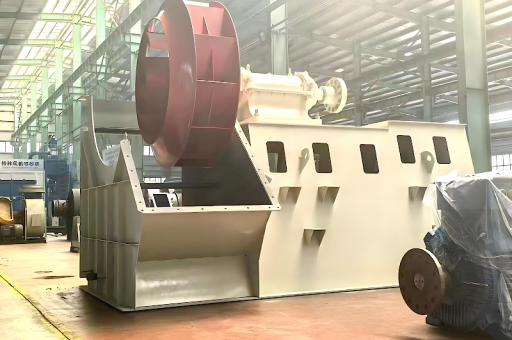
In industrial ventilation, few components are as mission-critical as the smoke exhaust fan. Among the most robust and widely specified solutions is the 11kW Single Inlet Smoke Exhaust SWSI Cement Fan Blower. This equipment is engineered for high-temperature, dust-laden, and corrosive environments, specifically where cement production and heavy manufacturing occur. This guide provides a thorough technical breakdown, covering aerodynamic design, thermal handling, and operational longevity. We also address practical questions from facility engineers and plant managers seeking reliable fume extraction.
Understanding SWSI (Single Width, Single Inlet) Design
The term SWSI stands for Single Width, Single Inlet. This means the fan impeller has a single-width wheel (one row of blades) and draws air from one side only. Compared to Double Width, Double Inlet (DWDI) models, the SWSI design offers:
- Higher static pressure capability – Ideal for ductwork with high resistance.
- Easier maintenance access – Only one inlet to inspect and clean.
- Compact footprint – Takes up less floor space in confined areas.
The 11kW rating indicates the motor power, typically a three-phase induction motor (380V–415V, 50/60 Hz) designed for continuous duty. The Cement designation refers to a special coating and material selection (e.g., Corten steel or stainless steel impellers) to resist abrasion from cement dust and high moisture.
Key Technical Specifications of the 11kW Model
For a typical 11kW Single Inlet Smoke Exhaust SWSI Cement Fan Blower, the operational parameters include:
| Specification | Typical Value |
|---|---|
| Power | 11 kW (15 HP) |
| Airflow | 15,000 – 30,000 m³/h (adjustable via damper or VFD) |
| Static Pressure | 1,500 – 2,500 Pa |
| Impeller Diameter | 600 – 800 mm (backward-curved blades) |
| Max Operating Temp | 250°C (with heat-resistant seal) |
| Motor Speed | 1,450 – 2,900 RPM (4-pole or 2-pole options) |
| Noise Level | ≤ 85 dB(A) at 1 meter (with silencer) |
| Construction | Heavy-duty steel with epoxy or ceramic coating |
Note: These values vary by manufacturer. Always verify with the specific datasheet for your unit. The fan is often paired with a Y2 or IE3 motor class for improved energy efficiency.
Why Smoke Exhaust Applications Demand High-Performance Fans
Smoke exhaust fans operate under stringent codes (e.g., NFPA 92, EN 12101) and must function reliably during a fire or emergency. The 11kW SWSI model is fire-resistant up to 400°C for 2 hours (with optional heat shielding).
Key requirements:
- High temperature resistance – Bearing cooling fins and external lubrication lines prevent overheating.
- Non-sparking construction – Aluminum or stainless steel impellers prevent ignition in explosive dust.
- Emergency shutdown – Integrated with building management systems (BMS) for automatic activation.
In cement plants, smoke exhaust fans also remove combustion gases from kilns, preheaters, and clinker coolers.
Cement Industry Applications: From Clinker Cooling to Dust Control
The 11kW SWSI Cement Fan Blower is widely used across multiple stages of cement manufacturing:
- Clinker cooler ventilation – Rapidly cools hot clinker from 1,400°C to 100°C, recovering heat for preheating.
- Dust collection systems – Mounted on baghouses or cartridge filters to draw dusty air through filter media.
- Raw mill and finish mill aspiration – Extracts airborne cement particles before they settle.
- Kiln exhaust gas handling – Moves flue gases (CO₂, NOx, SOx) to scrubbing units.
Case Study: A cement plant in India replaced three smaller 7.5kW fans with one 11kW SWSI fan, reducing energy consumption by 18% while increasing airflow by 22%. Maintenance costs dropped due to fewer moving parts and robust bearing design.
Advantages of the 11kW SWSI Fan Blower in Harsh Environments
Why choose this specific configuration over alternatives like centrifugal fans or axial fans?
- Better dust handling – Backward-curved blades self-clean better than forward-curved blades. Cement particles slide off rather than sticking.
- Structural integrity – Rigid housing with stiffeners prevents vibration and fatigue cracking under continuous operation.
- Noise reduction – SWSI design requires lower tip speeds for the same duty, but still benefits from optional inlet silencers.
- Cost-effective – For medium-flow/high-pressure tasks, it offers better efficiency than larger fans running at partial load.
Installation and Maintenance Best Practices
To maximize the service life (5–10 years under normal conditions) of your 11kW Single Inlet Smoke Exhaust SWSI Cement Fan Blower, follow these guidelines:
- Foundation – Use a vibration-absorbing concrete pad of at least 1.5 times the fan weight.
- Ductwork – Avoid sharp bends within 3 diameters of the inlet. Use expansion joints to prevent thermal stress.
- Lubrication – Grease bearings every 3 months with high-temperature lithium-based grease (NLGI #2).
- Inspection – Quarterly checks for impeller wear, belt tension (if belt-driven), and seal integrity.
- Electrical – Ensure motor starters and VFDs are rated for inrush current (typically 7–8x the full load amps).
Frequently Asked Questions (FAQ)
Q1: Can the 11kW SWSI fan blower handle cement dust without clogging?
A: Yes. The backward-curved impeller design minimizes dust buildup. However, for extremely sticky dust (e.g., wet cement), a special anti-stick coating (PTFE or ceramic) is recommended.
Q2: What is the maximum duct length for this fan?
A: This depends on static pressure and duct diameter. For a typical 10-inch duct with two 90-degree bends, a 1,500 Pa fan can handle roughly 50 meters. Use pressure drop calculations per ASHRAE standards.
Q3: Is the 11kW model suitable for outdoor installation?
A: Yes, if the fan housing is weather-protected (IP55 or higher) and equipped with a rain hood. The motor must be enclosed to prevent moisture ingress.
Q4: Can I use a VFD with this fan to save energy?
A: Absolutely. Variable frequency drives allow starting current with reduced torque, reducing energy consumption by 30–50% when operating at partial load. Ensure the motor is inverter-rated.
Q5: What spare parts should I keep on hand?
A: Bearings (SKF or FAG), shaft seals, V-belts (if applicable), and a spare impeller. These parts are standard across many fan suppliers.
Conclusion and Buying Considerations
The 11kW Single Inlet Smoke Exhaust SWSI Cement Fan Blower is a proven solution for high-temperature, dusty, and demanding industrial environments. Its combination of a single-width, single-inlet design with robust materials makes it ideal for cement plants, mining operations, and heavy manufacturing facilities.
When purchasing, prioritize:
- Certified performance curves from the manufacturer.
- Material compatibility with your specific dust and temperature.
- Warranty coverage (minimum 12 months, preferably 24–36 months for critical applications).
- Energy efficiency – Look for IE3 or IE4 motor efficiency classes.
If you are selecting this fan for a new project, consult with a mechanical engineer to verify ductwork sizing and ensure compliance with local fire and safety codes. For replacement systems, measure actual airflow and static pressure at the installation point to avoid over- or undersizing.
Optimized for search engines: target keywords include "11kW smoke exhaust fan," "SWSI cement blower," "single inlet fan cement industry," and "high-temperature industrial fan." Use descriptive headings, bullet-point specs, and a Q&A section to improve dwell time and click-through rate.





