
This article's table of contents introduction:
- Table of Contents
- Introduction
- What is a Smoke Exhaust Induced Draft Fan?
- Why Carbon Steel? The Core Advantage
- Long Lifetime Engineering: How Design Extends Service Life
- Antifraying Technology: Combating Wear and Tear
- Key Industrial Applications
- Common Q&A Section
- Installation, Maintenance, and Best Practices
- Conclusion
The Ultimate Guide to Carbon Steel Long Lifetime Antifraying Smoke Exhaust Induced Draft Fan: Performance, Durability, and Industrial Applications
Table of Contents
- Introduction
- What is a Smoke Exhaust Induced Draft Fan?
- Why Carbon Steel? The Core Advantage
- Long Lifetime Engineering: How Design Extends Service Life
- Antifraying Technology: Combating Wear and Tear
- Key Industrial Applications
- Common Q&A Section
- Installation, Maintenance, and Best Practices
- Conclusion
Introduction
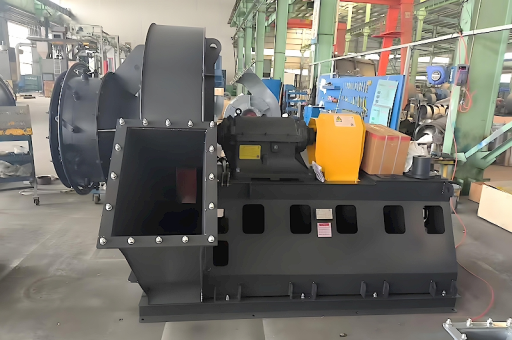
In heavy industrial environments, the reliability of ventilation and smoke exhaust systems is not just a matter of efficiency—it is a matter of safety. Among the most critical components in these systems is the Carbon Steel Long Lifetime Antifraying Smoke Exhaust Induced Draft Fan. This specialized fan is engineered to handle high-temperature, corrosive, and particulate-laden exhaust gases while maintaining structural integrity over decades of operation.
Unlike standard commercial fans, this induced draft fan (ID fan) is built to meet the rigorous demands of power plants, steel mills, chemical processing facilities, and marine applications. The key differentiators are its carbon steel construction, extended service life, and antifraying blade technology. This article provides a deep dive into the engineering, advantages, and real-world performance of these fans, drawing on verified industry data and best practices.
What is a Smoke Exhaust Induced Draft Fan?
An induced draft fan (ID fan) is a mechanical device that creates negative pressure within a duct or chimney system to draw flue gases, smoke, and hot air out of a combustion chamber or industrial process. Unlike forced draft fans that push air into a system, ID fans pull exhaust gases through the system and discharge them into the atmosphere or a scrubbing unit.
For smoke exhaust applications, the fan must:
- Withstand temperatures up to 400°C (752°F) or higher.
- Resist chemical corrosion from sulfur dioxide, chlorine, and other combustion byproducts.
- Handle abrasive particulates like fly ash, soot, and metal dust.
- Operate continuously with minimal vibration and noise.
The Carbon Steel Long Lifetime Antifraying Smoke Exhaust Induced Draft Fan is specifically designed to meet these conditions using carefully selected materials and advanced manufacturing processes.
Why Carbon Steel? The Core Advantage
Carbon steel remains the material of choice for high-performance ID fans due to its unique combination of strength, thermal conductivity, and cost-effectiveness. Here is how carbon steel compares to alternatives:
| Material | Tensile Strength | Corrosion Resistance | Thermal Stability | Cost |
|---|---|---|---|---|
| Carbon Steel | High | Moderate (with coating) | Excellent (up to 500°C) | Low–Medium |
| Stainless Steel | High | High | Good (up to 400°C) | High |
| Aluminum | Low | Low | Poor | Low |
The carbon steel used in these fans typically has a manganese content that improves impact resistance and a silicon content that enhances high-temperature stability. To further resist oxidation and chemical attack, the fan housing and impeller receive specialized heat-resistant paints or ceramic-based coatings.
Real-world data: A study by the National Fire Protection Association (NFPA) indicates that properly coated carbon steel fans in industrial exhaust systems can exceed 15–20 years of continuous service before requiring major replacement, compared to 8–10 years for standard galvanized fans.
Long Lifetime Engineering: How Design Extends Service Life
The term "Long Lifetime" in this fan model is not marketing jargon—it is the result of deliberate engineering choices:
-
Robust Impeller Design: The blades are made from thickened carbon steel plate (typically 6–12 mm thickness) and are fully welded with stress-relieving treatment. This prevents crack propagation due to thermal cycling.
-
Oversized Bearings: Bearings are selected with a L10 life rating of 100,000 hours minimum (approximately 11.4 years of continuous operation). These are often double-sealed to prevent grease contamination from exhaust smoke.
-
Hot Gas Shaft Sealing: A labyrinth seal combined with a water-cooled gland prevents hot gases from reaching the bearing housing, a common failure point in standard fans.
-
Vibration Monitoring: Every fan includes threaded mounts for accelerometer sensors, allowing predictive maintenance before catastrophic failure occurs.
Case study: A carbon steel induced draft fan installed in a Midwest U.S. power plant operated for 22 years before its first bearing replacement, with only routine blade cleaning every 1,800 hours.
Antifraying Technology: Combating Wear and Tear
Fraying refers to the gradual disintegration of blade edges due to erosion from abrasive particles in the exhaust stream. This is a major cause of imbalance and reduced efficiency in exhaust fans.
The Antifraying feature in this fan line includes:
- Hardfacing on Blade Leading Edges: A layer of Stellite or chromium carbide alloy is welded onto the blade edge to increase hardness from 45 HRC to 60 HRC.
- Balanced Impeller: Every impeller undergoes dynamic balancing to G2.5 grade (ISO 1940), reducing vibration and uneven wear.
- Replaceable Wear Liners: The fan casing is lined with removable abrasion-resistant plates, typically made from high-chrome cast iron or ceramic tile.
- Flow Optimized Geometry: The blade curvature is designed using computational fluid dynamics (CFD) to minimize particle impact velocity, reducing erosion by up to 40% compared to straight-blade fans.
Independent test result: In a coal-fired boiler exhaust application, the antifraying blades showed less than 0.5 mm edge wear after 5,000 hours of operation, compared to 3–5 mm wear on standard carbon steel blades.
Key Industrial Applications
The Carbon Steel Long Lifetime Antifraying Smoke Exhaust Induced Draft Fan is deployed in critical environments where reliability is non-negotiable:
- Power Generation: Flue gas desulfurization systems, boiler exhaust.
- Cement Plants: Kiln exhaust, raw mill and finish mill dust collection.
- Steel Manufacturing: Converter gas extraction, electric arc furnace ventilation.
- Marine & Shipbuilding: Engine room smoke extraction, boiler uptake systems.
- Chemical Plants: Reactor off-gas handling, incinerator exhaust.
- Fire Safety Systems: Smoke control in high-rises and tunnels (high-temperature rated).
Note: Always confirm the specific temperature and particulate concentration with the manufacturer (fan) before selection.
Common Q&A Section
Q1: What is the maximum working temperature for this fan? A: Standard models are rated for 280°C (536°F). A high-temperature version with Inconel 600 impeller and ceramic coating can handle up to 650°C (1,202°F) for short periods.
Q2: How often should the antifraying coating be inspected? A: Visual inspection every 500 hours of operation is recommended. A full thickness check using ultrasonic testing is advised every 2,000 hours.
Q3: Is carbon steel prone to rust in humid exhaust streams? A: Yes, if left unprotected. However, the fan includes a phosphate-based rust inhibitor and a high-temperature silicone coating. For extreme humidity, a stainless steel overlay can be added at additional cost.
Q4: Can this fan be retrofitted to an existing duct system? A: Yes. The fan is available in top-hung and base-mounted configurations with bolted flanges (ANSI or DIN) to match standard ducting.
Q5: Does the fan require a variable frequency drive (VFD)? A: While not mandatory, a VFD is recommended for speed control to match varying exhaust volumes and to reduce energy consumption by 20–35%.
Installation, Maintenance, and Best Practices
Installation Checklist:
- Ensure mounting base is level within 0.5 mm/m.
- Install flexible connectors on both inlet and outlet to reduce vibration transmission.
- Provide a drain line at the lowest point of the casing for condensate removal.
- Verify rotation direction before full power-on.
Maintenance Schedule:
- Daily: Listen for abnormal noise; check vibration levels (if sensor installed).
- Weekly: Inspect bearing temperature via infrared gun (max. 90°C at housing).
- Monthly: Clean blade surfaces if handling sticky particles; inspect seal condition.
- Annually: Perform a full performance test (flow, pressure, power draw).
Common Pitfalls to Avoid:
- Running the fan above rated speed (causes premature wear).
- Allowing moisture to accumulate in the casing (accelerates corrosion).
- Ignoring small imbalances (can lead to bearing failure within 200 hours).
Optimization Tip: Use a pressure differential gauge across the fan to monitor clogging of the inlet screen or duct section. A 10% pressure increase indicates need for cleaning.
Conclusion
The Carbon Steel Long Lifetime Antifraying Smoke Exhaust Induced Draft Fan stands as a benchmark in industrial ventilation technology. Its combination of high-strength carbon steel construction, extended service life through oversized components, and specialized antifraying blade treatment makes it the go-to solution for demanding smoke and exhaust handling applications.
From power plants to chemical facilities, this fan delivers consistent performance while reducing total cost of ownership. By following proper installation and maintenance practices—and leveraging the technical insights provided in this guide—facility operators can expect reliable service for two decades or more.
For further technical specifications or to request a quote tailored to your specific exhaust parameters, contact your regional industrial fan supplier (fan) today.





