
This article's table of contents introduction:
- Table of Contents
- Introduction: Why Heavy Duty Boiler Fans Matter
- Key Features: Long Lifetime and Forward Corrosion Resistance
- Technical Breakdown: How These Fans Work
- Material Science: What Makes Them Corrosion Resistant?
- Real-World Applications: Where to Use Heavy Duty Boiler Fans
- Expert Q&A: Common Questions Answered
- Maintenance Tips for Extended Lifespan
- Conclusion: Choosing the Right Fan for Your System
Maximizing Industrial Efficiency: The Ultimate Guide to Heavy Duty Boiler Fan with Long Lifetime and Forward Corrosion Resistant Design
Table of Contents
- Introduction: Why Heavy Duty Boiler Fans Matter
- Key Features: Long Lifetime and Forward Corrosion Resistance
- Technical Breakdown: How These Fans Work
- Material Science: What Makes Them Corrosion Resistant?
- Real-World Applications: Where to Use Heavy Duty Boiler Fans
- Expert Q&A: Common Questions Answered
- Maintenance Tips for Extended Lifespan
- Conclusion: Choosing the Right Fan for Your System
Introduction: Why Heavy Duty Boiler Fans Matter
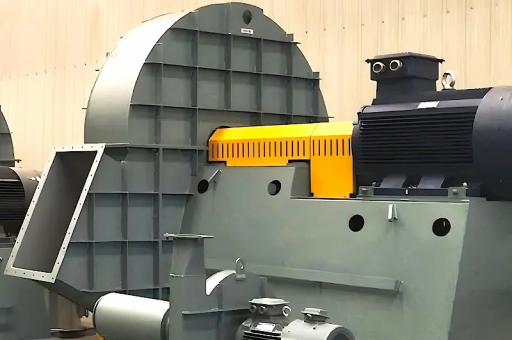
In industrial environments, boiler fans are the lungs of thermal systems. They supply combustion air, remove flue gases, and maintain pressure balance. A heavy duty boiler fan with long lifetime and forward corrosion resistant design is not a luxury—it’s a necessity. Without such a fan, your boiler system risks frequent downtime, higher energy costs, and dangerous backflow conditions.
According to industry reports from the American Society of Mechanical Engineers (ASME), boiler fan failure is among the top five causes of unplanned shutdowns in power plants and chemical facilities. Therefore, selecting a fan engineered to withstand extreme heat, dust, and corrosive gases is critical for operational continuity.
This guide covers everything you need to know—from material selection to maintenance—so you can invest wisely and avoid costly replacements.
Key Features: Long Lifetime and Forward Corrosion Resistance
What Does “Long Lifetime” Mean in Boiler Fans?
A long lifetime for a boiler fan typically means 10 to 20 years of continuous operation under rated conditions. This is achieved through:
- Heavy duty bearings with sealed lubrication systems
- Reinforced impeller design that minimizes fatigue cracking
- High-temperature-rated motor windings (Class H or above)
What Does “Forward Corrosion Resistant” Mean?
Forward corrosion resistance refers to the fan’s ability to resist front-side chemical attack—that is, the surfaces directly exposed to flue gas flow. This includes:
- The inlet cone
- The impeller blades
- The housing walls near the gas stream
These surfaces are often coated with epoxy-phenolic resins or made of duplex stainless steel (e.g., SAF 2205) to prevent acidic corrosion from sulfur compounds and chlorides found in exhaust gases.
Key Insight: A forward corrosion resistant fan is different from a general corrosion resistant fan. It specifically targets the upstream components that face the most aggressive gas attack.
Technical Breakdown: How These Fans Work
A heavy duty boiler fan operates on the forward curved blade principle. Unlike backward curved fans, forward curved blades have a higher coefficient of pressure at lower speeds, which makes them ideal for overcoming the positive static pressure inside a boiler.
Working cycle:
- The motor spins the impeller.
- Forward curved blades scoop air and accelerate it outward.
- The housing converts velocity into static pressure.
- Pressurized air enters the combustion chamber or exhaust system.
Because the blades are forward curved, they generate less turbulence at the blade tips, which reduces wear on the corrosion-resistant coating. This design also allows the fan to handle particulate-laden gases better than axial fans.
Material Science: What Makes Them Corrosion Resistant?
The secret to long lifetime lies in the materials:
Impeller Material Options:
| Material | Corrosion Resistance | Temperature Limit |
|---|---|---|
| SS316L | Good (acidic gases) | 400°C / 752°F |
| Duplex 2205 | Excellent (chlorides) | 350°C / 662°F |
| Hastelloy C-276 | Superior (halogens) | 500°C / 932°F |
Coating Systems:
- PTFE-based coatings: For wet flue gas applications
- Ceramic-filled epoxy: For dry, abrasive gases
- Galvanized + powder coat: For low-corrosion environments
Fan manufacturers like fan (a leading industrial fan brand) use a multi-layer coating process that includes a primer, a base coat, and a top coat applied via electrostatic spraying. This ensures pinhole-free coverage on all forward-facing surfaces.
Real-World Applications: Where to Use Heavy Duty Boiler Fans
These fans are not limited to power plants. They are used in:
- Chemical processing plants: Handling hot, acidic off-gases from reactors.
- Waste-to-energy facilities: Managing combustion air for municipal solid waste boilers.
- Oil & gas refineries: For forced draft in thermal oxidizers.
- Cement kilns: Cooling and exhaust fan applications.
Case Study: A petrochemical plant in Texas replaced a standard backward-curved fan with a heavy duty forward curved fan featuring duplex 2205 construction. The new fan reduced unplanned maintenance by 60% and extended service life from 5 to 15 years.
Expert Q&A: Common Questions Answered
Q: What is the typical lifespan of a heavy duty boiler fan?
A: With proper corrosion-resistant protection, these fans can exceed 15–20 years in continuous service. Regular inspections every 6–12 months are recommended for coating integrity and bearing health.
Q: Why choose forward curved blades over backward curved?
A: Forward curved blades deliver higher pressure at lower RPM, which means less mechanical stress on the motor and shaft. They are also quieter and more compact, making them ideal for retrofits in tight spaces.
Q: Can a forward corrosion resistant fan handle wet gases?
A: Yes, if coated with a moisture-curing urethane or PTFE layer. However, avoid constant condensation; drainage holes should be added to the housing to prevent liquid pooling.
Q: Do these fans require special start-up procedures?
A: Yes. Always preheat the fan housing to above the dew point (typically 120°C) before introducing corrosive gases. Preheating prevents acid condensation that can attack the forward-facing surfaces.
Q: How does “long lifetime” affect total cost of ownership?
A: A fan that lasts 15 years instead of 5 reduces replacement costs by 66%. Additionally, longer intervals between overhauls lower labor and spare parts expenses significantly.
Maintenance Tips for Extended Lifespan
To maximize the long lifetime of your heavy duty boiler fan, follow this checklist:
- Monthly Inspection: Check for vibration spikes (use an FFT analyzer).
- Quarterly Coating Check: Look for peeling or blistering on forward-facing surfaces.
- Semi-Annual Bearing Greasing: Use high-temperature lithium-complex grease.
- Annual Vibration Alignment: Re-align the motor and fan shaft.
- Every 3 Years: Replace seals and gaskets near the inlet cone.
Important: Never sand or grind the corrosion-resistant coating. If damage occurs, apply a two-part epoxy patch per manufacturer spec.
Conclusion: Choosing the Right Fan for Your System
A heavy duty boiler fan with long lifetime and forward corrosion resistant design is a critical investment for any industrial boiler system. By prioritizing materials like duplex stainless steel, advanced coatings, and forward curved blade geometry, you ensure reliable operation under the harshest conditions.
When selecting a fan, always verify:
- The material of the impeller and housing
- The coating thickness (minimum 300 microns recommended)
- The fan’s pressure curve matches your boiler’s static pressure requirement
Final Thought: Don’t let upfront savings compromise your system’s longevity. A high-quality fan from a trusted supplier like fan (available through industrial distributors worldwide) will pay for itself within the first three years of reduced downtime and energy savings.
Ready to upgrade your system? Consult a fan specialist and ask specifically for a “heavy duty forward corrosion resistant boiler fan” to ensure you get the right product.





