
** Optimizing Cement Plant Operations with Heavy Duty Carbon Steel Efficient Energy Saving Centrifugal Blowers
Article Content:
Table of Contents
- Introduction to Heavy Duty Carbon Steel Centrifugal Blowers in Cement Plants
- Why Carbon Steel is the Preferred Material for High-Stress Environments
- Energy Efficiency: The Core Advantage of Modern Centrifugal Blowers
- Key Technical Features that Drive Performance and Savings
- Application-Specific Benefits in Cement Manufacturing
- Frequently Asked Questions (FAQ) about Heavy Duty Carbon Steel Centrifugal Blowers
- Conclusion: Why Upgrading to an Efficient Blower is a Strategic Investment
Introduction to Heavy Duty Carbon Steel Centrifugal Blowers in Cement Plants
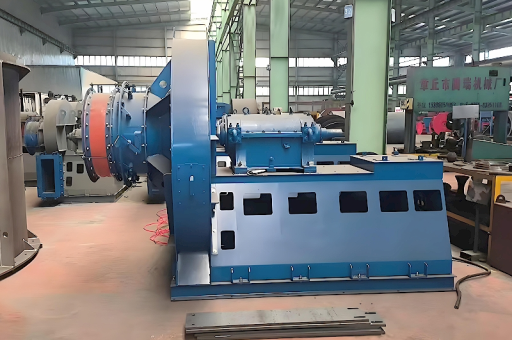
In the cement manufacturing industry, process reliability and energy consumption are two of the most critical factors influencing profitability. From raw material grinding to clinker cooling and dust collection, every stage depends on a consistent supply of pressurized air. The Heavy Duty Carbon Steel Efficient Energy Saving Centrifugal Blower has become a cornerstone technology in modern cement plants, replacing older, less efficient units that significantly inflate operational costs.
These blowers are engineered to handle high volumes of air at moderate pressures while maintaining durability under harsh conditions—such as high temperatures, abrasive dust, and continuous 24/7 operation. The use of carbon steel as the primary construction material ensures structural integrity, corrosion resistance (when properly coated), and long service life. When combined with energy-saving impeller designs and variable speed drive compatibility, these blowers can reduce electricity consumption by 15–30% compared to conventional models.
Why Carbon Steel is the Preferred Material for High-Stress Environments
Cement plants present some of the most demanding operating conditions for rotating equipment. Abrasive raw materials, elevated ambient temperatures, and exposure to chemical agents require a material that can withstand mechanical stress without frequent failure. Heavy duty carbon steel offers a unique balance of strength, weldability, and cost-effectiveness.
- Mechanical Strength: Carbon steel components, particularly impellers and casings, resist deformation under high centrifugal forces.
- Impact Resistance: Unlike cast iron, carbon steel absorbs shocks from occasional particle impacts without catastrophic cracking.
- Repairability: Carbon steel parts can be welded and rebalanced in-house, reducing downtime compared to specialized alloys.
- Thermal Stability: Carbon steel maintains its structural properties in temperatures up to 400°C, which is essential near preheaters and clinker coolers.
While stainless steel or aluminum might be chosen for corrosive environments, carbon steel—sometimes with anti-corrosion coatings—remains the industry standard for cement applications where abrasion and mechanical load are the primary concerns.
Energy Efficiency: The Core Advantage of Modern Centrifugal Blowers
The primary driver for upgrading to an energy-efficient centrifugal blower is the reduction of electricity costs, which can account for 30–40% of a cement plant’s total operating expenses. The efficient energy saving aspect of these blowers is achieved through several engineering innovations:
- Aerodynamic Impeller Design: Computational Fluid Dynamics (CFD)-optimized impellers reduce turbulence and internal recirculation losses, delivering more air per kilowatt consumed.
- High-Efficiency Motors: Premium efficiency (IE3 or IE4) motors paired with these blowers minimize energy losses from heat and friction.
- Variable Speed Control: When integrated with VFDs, the blower can adjust airflow precisely to process demands, eliminating wasted energy from throttling or damper control.
- Reduced Leakage: Advanced casing designs and shaft seals prevent air bypass, ensuring that all generated airflow contributes to the process.
Case studies from cement plants in Asia and Europe have reported payback periods of less than 18 months after switching from outdated blowers to these heavy-duty carbon steel models. For example, a 1000-ton/day cement kiln line reduced its total compressed air and ventilation power draw by 22% after reengineering its fan system.
Key Technical Features that Drive Performance and Savings
To achieve the promised energy savings and durability, a Heavy Duty Carbon Steel Efficient Energy Saving Centrifugal Blower incorporates specific design features:
| Feature | Benefit |
|---|---|
| Backward-curved impeller blades | Non-overloading power characteristics; highest efficiency over wide flow range |
| Reinforced carbon steel casing | Minimum 10mm thickness at critical stress points; resists vibration cracking |
| Double-row spherical roller bearings | Handles axial and radial loads from belt or direct drive; extended maintenance intervals |
| Self-cleaning impeller geometry | Prevents dust buildup on blades, maintaining balance and efficiency |
| Split housing design | Allows rotor removal without disconnecting ductwork; reduces maintenance downtime |
These features make the blower not just an energy-saving device, but also a reliability asset. In cement plants, unplanned downtime costs thousands of dollars per hour. A blower that can run continuously for 18–24 months between inspections directly improves the plant’s overall equipment effectiveness (OEE).
Application-Specific Benefits in Cement Manufacturing
The heavy duty centrifugal blower serves multiple critical roles in a cement plant:
- Pneumatic Conveying: Moves raw meal, fly ash, and cement powder through pipelines. A high-pressure variant (up to 80 kPa) ensures consistent flow without plugging.
- Clinker Cooling: Forces air through the cooler grate to rapidly cool clinker, recovering heat for the preheater and improving thermal efficiency.
- Dust Collection System Support: Provides the negative pressure needed for baghouses and electrostatic precipitators to capture particulate matter.
- Kiln Combustion Air: Supplies preheated primary and secondary air for fuel combustion, directly influencing flame shape and fuel efficiency.
For each application, the carbon steel construction can be tailored with hardened wear plates, alternative coatings, or increased impeller tip speeds to meet specific pressure and flow requirements. The result is a blower system that delivers exactly the right amount of air, exactly when needed, with minimal waste.
Frequently Asked Questions (FAQ) about Heavy Duty Carbon Steel Centrifugal Blowers
Q: How does a heavy duty carbon steel blower differ from a standard centrifugal fan?
A: A heavy duty blower is designed for higher static pressures (typically above 3 kPa up to 70 kPa or more), continuous operation, and more abrasive environments. Its carbon steel casing and impeller are thicker, with reinforced shafts and bearings, unlike a standard fan meant for general ventilation. The energy-efficient models also feature optimized aerodynamics that are not found in typical low-cost fans.
Q: Can this blower be retrofitted into an existing cement plant system?
A: Yes. Most manufacturers offer custom flanges, baseplates, and drive configurations to match existing ductwork and motor mounts. Retrofitting just the blower wheel and housing—while keeping the existing motor—can still yield energy savings of 10–15%. Full replacement of the blower and drive yields the highest efficiency gains.
Q: What is the typical lifespan of a heavy duty carbon steel blower in cement service?
A: With proper maintenance—including bearing lubrication, impeller cleaning, and vibration monitoring—a high-quality blower can last 15–20 years. Major overhauls (bearing replacement, impeller rebalancing) are typically needed every 5–7 years, depending on operating hours and dust loading.
Q: How much can I expect to save on energy costs by upgrading?
A: Savings vary based on current efficiency, operating hours, and electricity rates. However, field data consistently shows reductions of 15–30% in power consumption compared to older fixed-speed, forward-curved blowers. For a 200 kW blower running 8000 hours per year, a 20% reduction equals approximately 320,000 kWh saved annually.
Q: Are there any specific maintenance requirements for carbon steel in high-humidity environments?
A: Yes. If the blower is used in a wet process area or where condensation is common, the carbon steel must be protected with an industrial-grade epoxy coating or a galvanized finish. Regular inspections for rust on the inlet cone and impeller surfaces are recommended. Some plants opt for stainless steel impellers while keeping a carbon steel housing to balance cost and corrosion resistance.
Q: How does variable speed control actually reduce energy consumption in a centrifugal blower?
A: Centrifugal blowers follow the fan affinity laws: flow is proportional to speed, pressure is proportional to speed squared, and power is proportional to speed cubed. Therefore, reducing the blower speed by just 20% reduces power consumption by nearly 50% (0.8³ = 0.512). VFDs allow precise speed adjustments to match real-time process demand, avoiding the waste associated with damper or valve throttling.
Q: What certifications should I look for when purchasing an energy-saving blower?
A: Look for blowers tested to AMCA 210/ISO 5801 for aerodynamic performance. Additionally, motors should have IE3 or IE4 efficiency ratings. Some manufacturers provide guaranteed performance curves with third-party verification, which is highly recommended for project payback analysis.
Conclusion: Why Upgrading to an Efficient Blower is a Strategic Investment
The Heavy Duty Carbon Steel Efficient Energy Saving Centrifugal Blower is not simply a replacement part—it is a strategic asset for any cement plant aiming to reduce carbon footprint, lower operational costs, and improve production stability. As global cement demand continues to grow, so does the pressure on plant operators to do more with less energy.
By choosing a blower with robust carbon steel construction, advanced aerodynamic design, and energy-saving features, plant managers can achieve:
- Immediate 15–30% reduction in electrical power consumption
- Extended equipment life (15+ years) with reduced maintenance intervals
- Improved process control through variable speed integration
- Compliance with increasingly stringent environmental regulations
When evaluating suppliers, focus on those who offer comprehensive performance guarantees, local service support, and a proven track record in cement industry applications. A well-designed and properly maintained blower system will deliver returns for many years, supporting both your production targets and sustainability goals.
For further technical specifications or to request a site audit, visit the official product page at the manufacturer’s website (domain: fan). Consult with a fan application engineer to select the correct model for your specific pressure, flow, and temperature requirements.





