
** The Ultimate Guide to Single Suction Industrial Steam Boiler Forced Draught Fan: High Temperature Performance, Design, and Selection
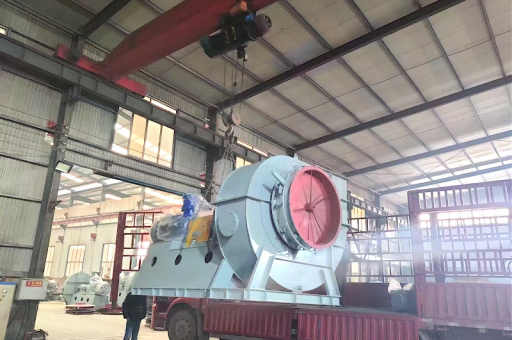
Table of Contents
- Introduction: The Critical Role of the Forced Draught Fan in Industrial Steam Boilers
- What Is a Single Suction Industrial Steam Boiler Forced Draught Fan?
- Why High Temperature Resistance Matters in Boiler Fan Systems
- Key Design Features of High-Temperature Single Suction Fans
- Operational Principles: How the Fan Supports Combustion Efficiency
- Common Applications Across Industries (Power, Chemical, Textile, Food)
- How to Select the Right Fan for Your Steam Boiler System
- Performance Parameters: Airflow, Pressure, Temperature Tolerance, and Material Selection
- Installation, Maintenance, and Troubleshooting Best Practices
- Frequently Asked Questions (FAQ)
- Conclusion: Optimizing Boiler Performance with the Right Fan
Introduction: The Critical Role of the Forced Draught Fan in Industrial Steam Boilers
In modern industrial steam boiler systems, the forced draught fan is not an accessory—it is a core component. Without it, combustion cannot be sustained, and heat transfer efficiency collapses. Among the various fan configurations, the single suction industrial steam boiler forced draught fan stands out for its ability to deliver high-pressure, high-temperature air directly into the combustion chamber. This article explains in depth what this fan does, why high temperature capability is non-negotiable, and how to select, maintain, and optimize it. We will also answer common operational questions to help engineers and plant managers make informed decisions.
What Is a Single Suction Industrial Steam Boiler Forced Draught Fan?
A single suction fan draws air from only one side of the impeller, as opposed to double suction designs which draw from both sides. In the context of an industrial steam boiler, this fan is installed on the air intake side. It forces ambient or preheated air through ductwork and into the burner or grate system. The term "forced draught" (FD) distinguishes it from induced draught (ID) fans, which pull exhaust gases out of the boiler.
The single suction configuration is preferred in many medium-to-large boiler systems because it simplifies duct routing, reduces space requirements, and allows for a more compact coupling with the motor. The fan must deliver a stable airflow at a pressure sufficient to overcome resistance from the air preheater, fuel bed, and boiler tubes.
Why High Temperature Resistance Matters in Boiler Fan Systems
Industrial steam boilers operate at elevated temperatures—often above 200°C in the air intake zone, especially when using preheated combustion air to improve efficiency. If the forced draught fan cannot withstand these temperatures, the impeller, bearings, and housing will degrade rapidly. Thermal expansion, material fatigue, and bearing lubrication failure are common failure modes in standard fans used in high-temperature applications.
A high temperature rated single suction fan is engineered to handle continuous operation at air temperatures up to 400°C or more, depending on material selection. Stainless steel impellers, heat-resistant shaft seals, and external cooling fins on bearing housings are typical features. Without such design considerations, the fan would require frequent replacement and cause costly boiler downtime.
Key Design Features of High-Temperature Single Suction Fans
To reliably serve a steam boiler's forced draught requirements at high temperatures, a fan must incorporate the following design elements:
- Heat-resistant impeller material: Typically made from 304 or 310 stainless steel, or high-chrome alloys, to resist thermal creep and oxidation.
- Shaft cooling system: A fan wheel mounted on a shaft with a cooling fan or water jacket to prevent heat transfer to bearings.
- High-temperature bearings: Grease-packed or oil-lubricated bearings with heat-resistant seals, often placed outside the main air stream.
- Expansion joints: Flexible connectors between fan and ductwork to accommodate thermal expansion without causing stress on the fan housing.
- Variable speed drive compatibility: Many modern systems use VFDs (Variable Frequency Drives) to modulate airflow, which reduces wear and saves energy.
These features ensure that the fan maintains mechanical integrity even when handling combustion air preheated by waste heat recovery systems.
Operational Principles: How the Fan Supports Combustion Efficiency
In a typical steam boiler, the forced draught fan draws air from the atmosphere, passes it through an air preheater (if used), and then pushes it into the furnace. The primary functions are:
- Provide oxygen for combustion: The fan ensures a sufficient air-to-fuel ratio for complete burning.
- Create positive furnace pressure: This prevents cold air infiltration and stabilizes flame shape.
- Support fuel bed agitation (in solid fuel boilers): On grate-fired boilers, the forced air helps fluidize or burn the fuel bed evenly.
The single suction design complements this process by concentrating airflow from one direction, which simplifies ductwork and reduces turbulence. The result: more stable combustion, less unburned fuel, and lower emissions.
Common Applications Across Industries
The single suction industrial steam boiler forced draught fan is used in facilities requiring reliable steam generation. Key industries include:
- Power generation: Coal, biomass, or oil-fired boilers in thermal power plants.
- Chemical processing: Process steam for distillation, drying, and reactors.
- Textile manufacturing: Steam for dyeing, finishing, and pressing.
- Food processing: Steam for cooking, sterilization, and cleaning.
- Pulp and paper: High-pressure steam for drying rolls and black liquor recovery.
In every case, the fan's ability to handle high-temperature air without performance loss directly impacts productivity.
How to Select the Right Fan for Your Steam Boiler System
Choosing a forced draught fan requires careful analysis. Use the following criteria:
- Airflow requirement (m³/h): Calculate based on boiler fuel consumption and excess air ratio.
- Static pressure (Pa): Account for pressure drop across air preheater, burner, and duct length.
- Temperature of inlet air: Determine if air is ambient or preheated. Preheating may reach 250–350°C.
- Material compatibility: Select impeller and housing materials that match the maximum continuous temperature.
- Drive configuration: Consider direct drive (lower maintenance) vs. belt drive (speed flexibility).
- Noise restrictions: Specify silencers or sound enclosures if needed.
Always consult the fan manufacturer's performance curve and ensure the operating point falls within the stable region, avoiding surge or stall.
Performance Parameters: Airflow, Pressure, Temperature Tolerance, and Material Selection
To help engineers, here is a typical performance summary for a single suction industrial steam boiler forced draught fan:
| Parameter | Typical Range | Notes |
|---|---|---|
| Airflow | 10,000 – 200,000 m³/h | Depends on boiler size |
| Static pressure | 1,000 – 8,000 Pa | Higher for multi-fuel boilers |
| Max inlet temperature | 200°C – 450°C | Material-dependent |
| Impeller diameter | 500 – 2,000 mm | Larger for higher flow |
| Material | Q235 (low temp), 304/310SS (high temp) | Stainless steel above 250°C |
| Motor power | 15 – 400 kW | VFD recommended |
Selection should prioritize thermal safety margins—never operate a fan at the exact limit of its material rating.
Installation, Maintenance, and Troubleshooting Best Practices
Installation:
- Mount the fan on a vibration-isolated base.
- Align the shaft and motor with laser tools.
- Install flexible connectors on both inlet and outlet.
- Provide drainage for condensation if preheated air is humid.
Maintenance:
- Check bearing temperature daily (should be below 90°C).
- Inspect impeller for erosion or cracks every 3 months.
- Clean accumulated dust or ash from blades.
- Lubricate bearings per manufacturer schedule.
Troubleshooting:
- Excessive vibration: Check for imbalance, bearing wear, or loose foundation.
- Low airflow: Inspect inlet filter, duct blockage, or VFD settings.
- Overheating bearings: Verify cooling system, check lubrication, and ensure no heat radiation from duct.
Frequently Asked Questions (FAQ)
Q1: Can a standard forced draught fan be used for high-temperature steam boiler applications?
A: Not recommended. Standard fans are designed for ambient air up to 80°C. High-temperature fans use specialized materials and cooling to prevent failure.
Q2: What is the difference between a single suction and double suction forced draught fan?
A: Single suction fans draw air from one side, offering compactness and simpler duct layout. Double suction fans handle larger volumes with reduced impeller width but require more complex intake plenums.
Q3: How do I know if my fan is operating at the correct pressure?
A: Measure static pressure across the fan and compare to the design point on the performance curve. If pressure is too high, airflow may drop; if too low, the system may not sustain combustion.
Q4: How often should I replace the impeller in a high-temperature fan?
A: With proper material selection and regular inspection, impeller life can exceed 5 years. However, high-temperature creep and erosion from particulate matter can shorten this. Annual ultrasonic thickness testing is recommended.
Q5: Does the fan need a variable frequency drive?
A: While not mandatory, VFDs significantly improve energy efficiency and allow precise control of combustion air. They also reduce mechanical stress during startup.
Q6: What happens if the fan stops during boiler operation?
A: Most boilers have an interlock that shuts down the burner if forced draught is lost. Without air, incomplete combustion leads to dangerous carbon monoxide buildup and explosion risk.
Conclusion: Optimizing Boiler Performance with the Right Fan
The single suction industrial steam boiler forced draught fan is a workhorse of thermal systems, but its high-temperature capabilities often determine the overall reliability of the boiler. By selecting a fan with appropriate material grades, cooling features, and performance margins, facilities can achieve higher combustion efficiency, lower emissions, and extended equipment life. Proper installation, monitoring, and maintenance further protect this investment. When upgrading or specifying a new fan, always request a detailed thermal performance calculation from the manufacturer based on your specific boiler operating conditions.
For more detailed technical specifications or to request a custom fan design tailored to your steam boiler, contact an industrial fan engineering team.





