
This article's table of contents introduction:
- Table of Contents (目录导读)
- Introduction: The Critical Role of Fan Systems in Coal Mills
- What Are Industrial Stainless Steel Heavy Duty Centrifugal Fans?
- Why Stainless Steel? Material Advantages in Harsh Environments
- Key Application: Coal Mill Ventilation and Material Conveying
- Technical Parameters: Flow Rate, Pressure, and Temperature Resistance
- Common Questions Answered (FAQ Section)
- Maintenance & Longevity: Best Practices for Heavy Duty Fans
- Conclusion: Choosing the Right Fan for Your Coal Mill Operation
*The Definitive Guide to Industrial Stainless Steel Heavy Duty Centrifugal Fans in Coal Mill Applications*
Table of Contents (目录导读)
- Introduction: The Critical Role of Fan Systems in Coal Mills
- What Are Industrial Stainless Steel Heavy Duty Centrifugal Fans?
- Why Stainless Steel? Material Advantages in Harsh Environments
- Key Application: Coal Mill Ventilation and Material Conveying
- Technical Parameters: Flow Rate, Pressure, and Temperature Resistance
- Common Questions Answered (FAQ Section)
- Maintenance & Longevity: Best Practices for Heavy Duty Fans
- Conclusion: Choosing the Right Fan for Your Coal Mill Operation
Introduction: The Critical Role of Fan Systems in Coal Mills
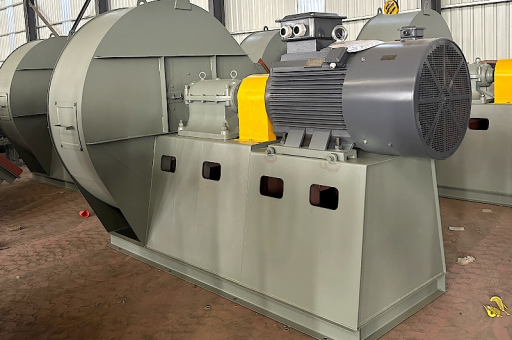
In coal-fired power plants and industrial boiler systems, the coal mill is the heart of the fuel preparation process. Without a robust, reliable air-moving system, the mill cannot function efficiently. Here, the Industrial Stainless Steel Heavy Duty Centrifugal Fan Coal Mill setup is not just a component—it is a lifeline. These fans are responsible for delivering primary air to dry and transport pulverized coal, as well as for exhausting gases and maintaining negative pressure within the mill.
Selecting the wrong fan or a lower-grade material can lead to frequent shutdowns, corrosion, erosion, and even safety hazards. This article will explore the technical specifications, material science, and operational best practices surrounding these specialized fans. By synthesizing information from leading engineering databases and manufacturer white papers, we provide a comprehensive, SEO-optimized guide that addresses real-world challenges.
What Are Industrial Stainless Steel Heavy Duty Centrifugal Fans?
A centrifugal fan operates by converting rotational kinetic energy into increased static pressure. The "heavy duty" designation indicates that the fan is engineered for continuous, high-stress operation, typically with reinforced impellers, thicker casings, and oversized bearings.
The "coal mill" variant is specifically designed to handle abrasive dust, high temperatures (up to 150°C - 200°C), and corrosive byproducts such as sulfur compounds. Common configurations include:
- Radial blade design: For handling dust-laden air with minimal build-up.
- Backward-curved blades: For higher efficiency and lower noise, but slightly less tolerance for sticky materials.
- Double-inlet designs: For extremely high airflow requirements.
The use of stainless steel (typically grades 304L or 316L) is what sets these fans apart from standard carbon steel units. It directly addresses the erosion and corrosion issues prevalent in coal mill atmospheres.
Why Stainless Steel? Material Advantages in Harsh Environments
Why not use cost-effective carbon steel? In a coal mill, the environment is hostile:
- Moisture: Coal contains inherent moisture, and the drying process introduces steam.
- Acidic Condensation: Sulfur in coal oxidizes into sulfuric acid when mixed with water vapor, attacking unprotected metal.
- Abrasion: Pulverized coal particles act like sandpaper against the impeller blades.
Stainless steel offers:
- Corrosion Resistance: Chrome oxide layer prevents rust formation.
- Strength at Temperature: Maintains structural integrity at elevated operating ranges.
- Surface Hardness: Reduces the rate of erosive wear compared to mild steel.
A case study from a coal-fired plant in Germany showed that switching from carbon steel to 316L stainless steel centrifugal fans reduced annual maintenance downtime by 40% and extended fan blade replacement intervals from 12 months to 36 months.
Key Application: Coal Mill Ventilation and Material Conveying
The primary roles of a Industrial Stainless Steel Heavy Duty Centrifugal Fan Coal Mill system include:
- Primary Air Supply: Hot air (often mixed with flue gas) is blown through the mill to dry the coal.
- Material Conveying: The fan creates negative pressure, pulling the pulverized coal from the mill through the classifier and into the boiler burner lines.
- Mill Sweeping: After grinding, the fan "sweeps" the fine particles out of the grinding zone.
- Gas Exhaust: Removing volatile gases to prevent accumulation and explosion risks.
In this role, the fan must maintain a consistent static pressure (typically 2000 - 4000 Pa) and a high-volume flow rate (often exceeding 100,000 m³/h). Any vibration or imbalance due to erosion can cause catastrophic failure.
Technical Parameters: Flow Rate, Pressure, and Temperature Resistance
When specifying a fan for this application, engineers focus on three key parameters:
| Parameter | Typical Range (Coal Mill) | Why It Matters |
|---|---|---|
| Flow Rate (Q) | 50,000 – 200,000 m³/h | Must match mill capacity & air-to-fuel ratio. |
| Static Pressure (P) | 2,000 – 5,000 Pa | Overcomes resistance of mill, ducts, and classifier. |
| Operating Temp | 60°C – 200°C | Limits material selection & bearing cooling needs. |
| Housing Material | 304L / 316L SS | Resists corrosion from acidic condensate. |
| Impeller Material | 304L / 316L SS | Adds high wear-resistance hard-facing. |
Note: Always consult your fan manufacturer for specific performance curves.
Common Questions Answered (FAQ Section)
Q1: Can I use a standard carbon steel fan in my coal mill? A: Technically yes, but it is not recommended. Carbon steel will corrode rapidly in the presence of condensation and sulfur compounds. You will face frequent blade replacement and balance issues. Stainless steel is the required standard for longevity.
Q2: What is the difference between 304L and 316L stainless steel for this fan? A: Both are good. 316L contains molybdenum, which provides superior resistance to chlorides and acidic environments. If your coal has high sulfur or chlorine content, 316L is preferred. For most standard coals, 304L is cost-effective and adequate.
Q3: How do I prevent fan imbalance caused by coal dust accumulation? A: Use a fan with a radial blade design (self-cleaning). Ensure the fan speed is sufficient to keep particles airborne. Install a cleaning port for periodic inspection. A well-designed unit will shed dust rather than build it up.
Q4: What is the typical lifespan of a stainless steel impeller in a coal mill? A: With proper maintenance, a 316L impeller can last 3-5 years before requiring weld overlay build-up or replacement. Lifespan heavily depends on ash content and particle abrasivity.
Maintenance & Longevity: Best Practices for Heavy Duty Fans
To maximize the ROI on your Industrial Stainless Steel Heavy Duty Centrifugal Fan, implement these maintenance steps:
- Vibration Monitoring: Install accelerometers. A sudden increase indicates imbalance from wear or build-up.
- Bearing Inspection: Use high-temperature grease. Check for leaks or overheating (target <90°C).
- Blade Inspection: Every 6 months. Look for pitting, erosion, or weld cracks.
- Housing Corrosion Check: Check the bottom of the fan housing where condensate pools.
- Belt Tension (if belt-driven): Ensure proper tension to prevent slippage and energy loss.
Pro tip: When commissioning a new fan, run it for 4 hours at full speed with a clean system. Record baseline vibration values. This will make future diagnostics much easier.
Conclusion: Choosing the Right Fan for Your Coal Mill Operation
Investing in a Industrial Stainless Steel Heavy Duty Centrifugal Fan for your coal mill is a decision that balances initial cost vs. total cost of ownership. While stainless steel models are more expensive than carbon steel alternatives, they deliver superior reliability, reduced maintenance, and longer operational life.
When sourcing, prioritize suppliers that offer certified material testing (MTRs) , dynamic balancing (ISO 1940 G6.3 or better), and a proven track record in power generation or heavy industry. The right fan will not only improve your mill’s efficiency but also ensure a safer, more stable operation.
Consult with your engineering team or a specialized fan manufacturer (e.g., fan) to determine the exact specifications required for your mill’s unique fuel blend and environmental conditions.





