
This article's table of contents introduction:
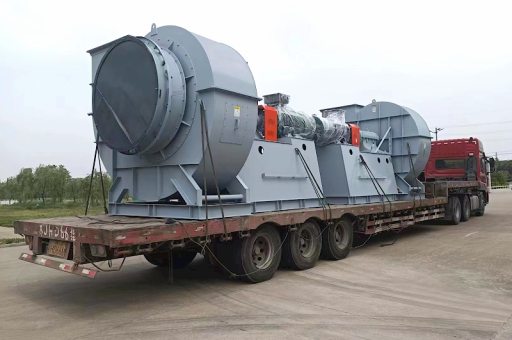
- The Core Components Explained
- Why This Configuration Maximizes Energy Efficiency
- Key Selection Criteria for an Energy-Efficient Unit
- Common Applications for this Specific Fan Type
- Summary: The Efficiency Formula
This query appears to be a product specification or a search query for a specific type of industrial fan. To provide maximum value, I will break down the key elements (Aluminium Alloy, Heavy Duty, Centrifugal, Forced Draft) and explain how they relate to Energy Efficiency.
Here is a comprehensive technical breakdown of what you are looking for and why this combination is chosen for energy savings.
The Core Components Explained
- Aluminium Alloy (Impeller/Fan Wheel):
- Why Aluminium? It is significantly lighter than steel (approximately 1/3 the weight).
- Energy Impact (Inertia): A lighter impeller requires less torque to start and accelerate. More importantly, it has lower inertia, meaning the motor uses less energy during speed changes (ramp up/down). This is critical for Variable Frequency Drives (VFDs).
- Corrosion Resistance: Aluminium forms a protective oxide layer. This is vital for "Forced Draft" applications where the fan handles fresh, often humid, or slightly corrosive ambient air. It prevents pitting and maintains aerodynamic efficiency over time.
- Heavy Duty Construction:
- This implies a robust shaft, a sturdy housing (typically steel), and heavy-duty bearings.
- Energy Impact: Rigidity prevents vibration. Vibration is a primary cause of energy loss (frictional losses in bearings) and aerodynamic inefficiency (turbulence at the impeller inlet).
- Centrifugal Fan (Forced Draft):
- Centrifugal Action: Air is drawn into the center and thrown outward by centrifugal force. This generates high pressure.
- Forced Draft (FD): This specific application pushes air into a system (e.g., a boiler, furnace, or ventilation duct) against positive system resistance.
- Energy Efficiency: Centrifugal fans are generally more efficient than axial fans when dealing with high static pressure and variable flow requirements, which is the typical condition for Heavy Duty FD applications.
Why This Configuration Maximizes Energy Efficiency
For a Heavy Duty Fan, the "efficiency sweet spot" is determined by the Fan's Specific Speed ($N_s$) and the system curve. Here’s how this specific combination excels:
| Feature | Efficiency Benefit | Mechanism |
|---|---|---|
| Aluminium Alloy Impeller | Reduced Motor Load | Lower rotating mass means the motor doesn't have to overcome as much inertia. This reduces peak current draw (kVA) and allows for a smaller, more efficient motor if retrofitting. |
| Backward Curved (or Airfoil) Blades | High Peak Efficiency (~85-90%) | Most "Heavy Duty" centrifugal fans for FD use backward-curved or airfoil blades. These are inherently non-overloading (motor won't burn out if duct is blocked) and have the highest static efficiency of any centrifugal fan design. |
| Aerodynamic Housing (Scroll) | Minimized Frictional Losses | The scroll shape converts velocity pressure into static pressure with minimal turbulence. A heavy-duty design ensures the housing tolerances are tight, preventing leakage (recirculation) which is a major source of energy loss. |
| High Static Pressure Capability | System Matching | Forced draft systems (boilers, furnaces) have high resistance. Aluminium impellers can be designed with deep blades to achieve high pressure ratios without excessive tip speeds, keeping noise and vibration (and thus energy loss) low. |
| Driven by VFD (Variable Frequency Drive) | Quadratic Power Reduction | This is the most significant energy savings factor. Fan power is proportional to the cube of the speed ($P \propto N^3$). If a VFD slows the fan speed by 20% (80% flow), power consumption drops by nearly 50% ($0.8^3 = 0.512$). A heavy-duty aluminium fan handles the dynamic stresses of VFD speed changes excellently. |
Key Selection Criteria for an Energy-Efficient Unit
When sourcing or specifying a fan like this, look for these specific parameters to guarantee efficiency:
- Impeller Design: Backward Curved (BC) or Airfoil (AF).
- Avoid: Forward Curved (FC) blades. They are smaller, cheaper, but have a lower peak efficiency and are prone to "overloading" the motor at high flow.
- Motor Type: IE4 (Super Premium Efficiency) or IE5 (Ultra Premium) Motor.
The fan itself may be efficient, but the motor can waste 5-15% of energy. Pair an aluminium alloy impeller with an IE4/IE5 synchronous reluctance or permanent magnet motor for maximum efficiency.
- Inlet Cone Design: A well-designed, smooth inlet cone with an inlet bell (streamlined) reduces turbulence at the impeller eye. Look for fans that offer a "Vortex Breaker" or "Inlet Box Damper".
- Bearing Efficiency: Look for Low-Temperature Rise bearings. High-quality SKF or FAG bearings that are properly greased with a low-friction seal can save 1-2% of total energy over standard bearings.
- Drive System:
- Direct Drive: Most efficient (no belt slip losses of 3-5%). Ideal for VFD control.
- Belt Drive: Less efficient but allows for speed changes via sheave changes. Look for Cogged V-Belts (not classical wrapped belts) as they are ~2-3% more efficient.
Common Applications for this Specific Fan Type
An "Aluminium Alloyed Heavy Duty Centrifugal Fan for Forced Draft" is typically used in:
- Boilers (Industrial & Utility): Pushing combustion air into the burner.
- Furnace Systems: Providing combustion air in steel, glass, and heat-treating industries.
- Drying Systems: Forced air across wet products (textiles, food, paper).
- Fume Extraction (Clean Side): Moving non-explosive, non-abrasive air with low moisture content.
- Salt Water / Coastal Environments: The aluminium alloy handles the airborne salt mist better than steel, improving long-term reliability and maintaining efficiency.
Summary: The Efficiency Formula
For a Heavy Duty Forced Draft fan:
Total System Efficiency = (Fan Aerodynamic Efficiency) × (Motor Efficiency) × (Drive Efficiency)
- Aluminium Alloy improves Aerodynamic Efficiency (lighter wheel, lower inertia, less windage loss).
- Heavy Duty Construction ensures the System Matching and Reliability (low vibration, no casing leakage) so that the peak efficiency curve stays consistent over the fan's lifetime.
If you are looking for a specific product, I recommend searching manufacturers like Greenheck, New York Blower (NYB), Howden, Cincinnati Fan, or AirPro Fan & Blower with the parameters: "Aluminium Impeller, Backward Curved, Heavy Duty, Forced Draft, IE4 Motor."





