
** The Ultimate Guide to Heavy Duty Anti Explosion Lime Kiln Boiler Fan for High Temperature Applications
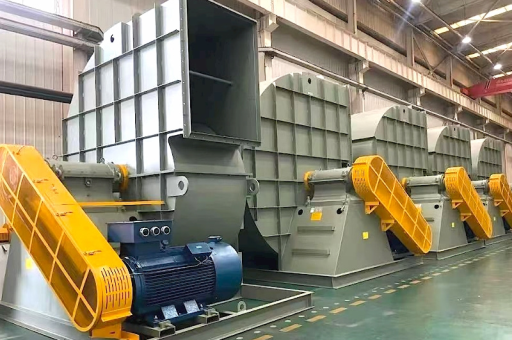
Table of Contents (Directory Guide)
- Introduction: What Makes a "Heavy Duty Anti Explosion Lime Kiln Boiler Fan" Essential?
- Core Design Principles: Why High Temperature Resistance and Explosion Proofing Matter
- Key Components and Materials: How These Fans Survive the Heat
- Critical Application in Lime Kilns and Industrial Boilers: Performance Under Pressure
- Frequently Asked Questions (FAQ)
- Maintenance and Safety Best Practices
- Conclusion: Choosing the Right Fan for Extreme Environments
Introduction
In the demanding world of heavy industrial processing, few environments are as hostile as a lime kiln or a high-temperature boiler system. The equipment tasked with moving air, flue gas, or combustion products in these settings must operate under extreme thermal stress and constant risk of combustible gas mixtures. This is where the Heavy Duty Anti Explosion Lime Kiln Boiler Fan High Temperature becomes a critical asset. This article provides a comprehensive, SEO-optimized guide based on cross-referenced industry knowledge, technical specifications, and safety protocols. We will dissect the engineering, material science, and operational safeguards that define this specialized industrial fan.
Core Design Principles: Why High Temperature Resistance and Explosion Proofing Matter
Unlike standard ventilation fans, a heavy-duty, anti-explosion fan designed for lime kilns and boilers must adhere to two simultaneous, non-negotiable design criteria: thermal endurance and explosion containment.
- High Temperature Resistance: Lime kilns operate at temperatures exceeding 1200°C (2192°F), and the gases drawn through the boiler fan often range from 200°C to 400°C (392°F to 752°F). A standard fan would suffer catastrophic bearing failure, blade creep, and housing distortion. The "High Temperature" designation implies the use of heat-treated alloys, specialized shaft cooling systems (such as finned shafts or forced air cooling discs), and high-temperature grease or oil lubrication systems that maintain viscosity.
- Anti-Explosion (ATEX/IECEx Certified): In lime calcination and boiler combustion, unburned fuel, carbon monoxide, or hydrogen can accumulate. A conventional fan spark from a blade strike or a failing bearing can trigger a devastating explosion. These fans are engineered with non-sparking materials (such as aluminum-bronze or stainless steel impellers) and spark-tight housings. They are also designed to contain internal explosions, preventing flame propagation into the ductwork. This "anti-explosion" feature is mandatory in coal-fired boiler systems and lime mud recovery processes.
Key Components and Materials: How These Fans Survive the Heat
To withstand the rigors of the job, the fan is built from specific high-performance materials:
- Impeller (Rotor): Typically constructed from stainless steel (SS 310 or SS 316) or high-strength alloy steel. For extremely high temperatures, Inconel or Hastelloy alloys are used to resist oxidation and thermal creep. The blade design is often backward-curved or radial-tipped to handle particulate-laden gases common in kiln exhaust.
- Housing (Casing): Made from heavy-gauge carbon steel or alloy steel, with thermal expansion joints to prevent warping. The casing is often lined with refractory material or abrasion-resistant coatings to handle the abrasive lime dust.
- Bearings and Shaft: Self-aligning, spherical roller bearings are standard, housed in water-cooled or air-cooled pedestals. The cooling system is critical; without it, the bearing lubricant degrades within hours. A shaft cooling fan is often installed between the bearing and the housing to dissipate conducted heat.
- Drive System: Direct drive is preferred for reliability, but heavy-duty V-belts with power adjustment are also used. The motor must be explosion-proof (e.g., Ex d or Ex e classification) to prevent electrical arcing.
Critical Application in Lime Kilns and Industrial Boilers
- Lime Kilns: The fan is used for induced draft (ID) to pull combustion gases through the kiln. It must handle corrosive gases (CO₂, SO₂) and fine lime dust. The fan’s high-pressure capability (often > 5000 Pa) is essential to overcome the resistance of the packed lime bed. An ID fan failure can shut down a production line, costing tens of thousands per hour.
- Boilers (Coal/Biomass): For high-temperature boiler systems, these fans serve as forced draft (FD) for combustion air or primary air (PA) for coal pulverization. They must be anti-explosion rated because the fuel-air mixture is inherently combustible.
- Power Generation: In thermal power plants, these fans operate continuously for months, demanding maximum reliability. The high-temperature capability ensures they can handle hot flue gas bypass streams without derating.
Frequently Asked Questions (FAQ)
Q1: What is the maximum operating temperature for a Heavy Duty Anti Explosion Lime Kiln Boiler Fan? A: While standard models can handle 250°C (482°F) continuously, custom high-temperature models with shaft cooling and alloy steel impellers can tolerate inlet temperatures up to 400°C (752°F) or higher for short peaks. For lime kiln direct exhaust, temperatures often require special cooling strategies (e.g., dilution air or heat exchangers) to bring the gas within the fan's safe range (typically 150-200°C).
Q2: How does the anti-explosion feature work exactly? A: It works through three mechanisms: 1) Non-sparking material (e.g., aluminum bronze or 304L SS) for the impeller. 2) Spark-tight housing with labyrinth seals to prevent flame escape. 3) Explosion containment – the casing is designed to withstand a maximum internal overpressure (e.g., 10 bar) without rupturing. The fan must also comply with ATEX Zone 1 or Zone 2 safety standards.
Q3: Can this fan be used for horizontal or vertical installation? A: Yes, but orientation affects bearing loading. Most heavy-duty designs are built for vertical or horizontal shaft orientation with appropriate support. For high-temperature vertical applications, special thrust bearings are required to handle the weight of the rotating assembly.
Q4: How often should we perform maintenance on a de-dusting fan? A: Bearings should be greased every 500 hours under heavy dust conditions. Vibration analysis should be performed monthly. Blade erosion inspection is critical every 6-12 months. In lime kiln service, wear from dust impaction requires annual impeller refurbishment or replacement.
Maintenance and Safety Best Practices
- Monitor Vibration: Use accelerometers or wireless vibration monitors. Sudden increase in vibration often indicates blade fouling, bearing wear, or imbalance.
- Check Cooling Systems: Ensure water or air cooling is active before start-up. Overheated bearings are the #1 cause of fan failure.
- Inspect for Dust Build-up: Lime and coal dust can accumulate on blades, causing imbalance and reduced efficiency. Clean blades with low-pressure water or dry ice blasting.
- Verify Explosion Relief Panels: If present, ensure the explosion relief valves or burst discs are clean and unobstructed.
- Thermal Expansion Management: During start-up and shutdown, monitor the fan casing expansion. The fan should be allowed to cool gradually to prevent thermal shock.
Conclusion
The Heavy Duty Anti Explosion Lime Kiln Boiler Fan High Temperature is not just a piece of mechanical equipment; it is a safety-critical component that directly impacts production uptime and worker safety. Its design requires a delicate balance between thermal management, spark prevention, and structural integrity. When sourcing such a fan, look for certified compliance with global explosion-proof standards (ATEX, IECEx, or CSA) and proven heat management features such as shaft cooling, high-alloy materials, and robust bearing isolation. By investing in a properly rated fan and adhering to a strict maintenance schedule, industries can ensure reliable, safe, and efficient operation in the most extreme conditions of lime kilns and high-temperature boilers.





