
This article's table of contents introduction:
- Table of Contents
- 1. Introduction to Coal-Fired Boiler Systems and the Induced Draft Fan
- 2. How the Induced Draft Fan Works in the Combustion Airflow Circuit
- 3. Key Performance Parameters of the Induced Draft Fan
- 4. Common Failure Modes and Troubleshooting
- 5. Best Practices for Energy-Efficient Induced Draft Fan Operation
- 6. Frequently Asked Questions (FAQ)
- 7. Conclusion
Article Title:
The Critical Role of the Induced Draft Fan in Coal-Fired Boiler Systems: Function, Optimization, and Maintenance
Table of Contents
- Introduction to Coal-Fired Boiler Systems and the Induced Draft Fan
- How the Induced Draft Fan Works in the Combustion Airflow Circuit
- Key Performance Parameters of the Induced Draft Fan
- Common Failure Modes and Troubleshooting
- Best Practices for Energy-Efficient Induced Draft Fan Operation
- Frequently Asked Questions (FAQ)
- Conclusion
Introduction to Coal-Fired Boiler Systems and the Induced Draft Fan
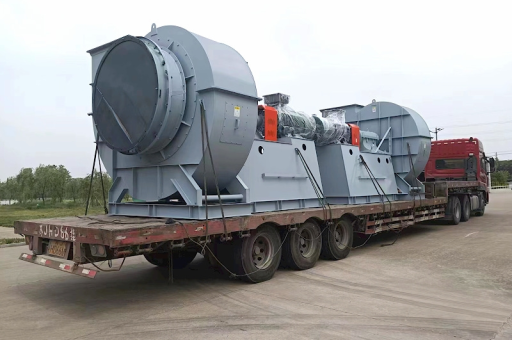
A coal-fired boiler system is a cornerstone of industrial power generation and process heating. Within this system, a supporting ventilator—commonly termed the Induced Draft Fan (ID fan)—plays an indispensable role. The ID fan is positioned downstream of the boiler, typically between the air preheater and the chimney or baghouse. Its primary function is to create negative pressure within the furnace, ensuring that combustion gases (flue gas) are efficiently drawn out of the boiler and through pollution control equipment.
Without the stable operation of the induced draft fan, the boiler cannot maintain proper combustion pressure, leading to flame instability, reduced thermal efficiency, and even explosion risks. This article provides a comprehensive, search-engine-optimized guide on the engineering, maintenance, and troubleshooting of the ID fan in coal-fired boiler systems.
How the Induced Draft Fan Works in the Combustion Airflow Circuit
In a typical coal-fired boiler, two fans form the air-flow balance:
- Forced Draft (FD) Fan: Pushes ambient air into the furnace through the air preheater.
- Induced Draft (ID) Fan: Pulls flue gases out of the furnace, through the economizer, scrubber, and electrostatic precipitator (ESP), and finally into the chimney.
The induced draft fan must generate a differential pressure that overcomes the resistance of all downstream components. This is measured as a negative draft (typically –20 to –60 mmH₂O) at the furnace outlet. If the ID fan fails, positive pressure can develop in the furnace, causing hot flue gas and ash to escape into the boiler house.
Key components of an ID fan system include:
- Impeller (typically backward-curved blades for high efficiency)
- Casing with wear-resistant liners
- Variable inlet guide vanes (VIGV) or variable speed drive (VSD) for flow control
- Motor and coupling (often 660V or 6.6kV for large utilities)
Key Performance Parameters of the Induced Draft Fan
Engineers and operators must monitor the following performance metrics to ensure reliability and compliance with environmental regulations:
- Flow rate (m³/s): Typically designed for maximum continuous rating (MCR) of the boiler plus a 10–15% margin.
- Static pressure rise (Pa): Must account for draught loss across the boiler, air heater, baghouse, and ducting.
- Fan speed (RPM): For larger units, constant-speed motors with VIGV are common; smaller or newer units use VSD for energy savings.
- Temperature: Flue gas temperature entering the ID fan can reach 120–160°C. Higher temperatures degrade bearing life and impeller strength.
- Vibration severity (mm/s): ISO 10816-3 provides limits—typically below 4.5 mm/s RMS for acceptable operation.
Pro tip: A drop in ID fan current combined with unchanged VIGV position often indicates duct blockage or rotating stall.
Common Failure Modes and Troubleshooting
Even well-maintained induced draft fans in coal-fired boiler systems experience issues. Below are the most frequent failure modes, symptoms, and corrective actions:
| Failure Mode | Root Cause | Immediate Action |
|---|---|---|
| High vibration | Erosion/deposit on blades | Inspect and clean; replace impeller if unbalanced |
| Motor overheating | Excessive draft demand or worn bearings | Reduce load; lubricate or replace bearings |
| Inlet vane jammed | Ash fouling or corrosion | Shut down, clean linkage, lubricate actuator |
| Low suction pressure | Blocked duct, baghouse, or ESP | Check differential pressure across each component |
| Reverse current | Failure during fan trip (stack effect) | Install and test anti-rotation dampers |
One hidden root cause is fly ash erosion at the blade root. This is accelerated by high flue gas velocity and high ash content in low-grade coal. Operators should schedule ultrasonic thickness measurements annually.
Best Practices for Energy-Efficient Induced Draft Fan Operation
The induced draft fan system can account for 2–3% of a power plant’s total auxiliary power consumption. To reduce energy costs:
- Use variable speed drives (VSD) instead of inlet vane control. VSD can reduce fan power by 30–50% at partial loads.
- Keep ductwork clean to lower system resistance. Even 5 mm of ash buildup can increase pressure drop by 15%.
- Optimize excess air ratio in the boiler. Over-supplying air forces the ID fan to handle extra mass flow.
- Monitor bearing and motor temperatures—thermal degradation reduces motor efficiency and fan availability.
For coal-fired boiler systems that operate in load-following mode (e.g., 50%–100% MCR), VSD is strongly recommended. For base-load coal plants with constant full-load operation, VIGV may be sufficient.
Frequently Asked Questions (FAQ)
Q1: What is the difference between a forced draft fan and an induced draft fan in a coal-fired boiler?
A: The FD fan pushes ambient air into the boiler under positive pressure, while the ID fan pulls flue gas out from the boiler under negative pressure. They work together to control combustion efficiency and furnace draft.
Q2: How do I know if my induced draft fan is failing?
A: Watch for symptoms from Section 4—particularly increased vibration, motor current fluctuations, or unexplained changes in furnace pressure. Use vibration trend sensors and real-time draft monitoring.
Q3: Can I run a coal-fired boiler without the ID fan?
A: No. The ID fan is essential for maintaining negative furnace pressure. Running without it would cause backflow of flue gas into the boiler house, posing CO and heat hazard risks.
Q4: What is the typical lifespan of an ID fan impeller in a coal-fired boiler?
A: Depending on coal quality and erosion protection, impeller life ranges from 3 to 7 years. Hard-facing overlay (e.g., Stellite) can extend lifespan by 40%.
Q5: Why would my induced draft fan motor draw higher current during winter?
A: Higher ambient air density in winter increases mass flow rate. The ID fan must work harder to pull denser flue gas. This is normal, but ensure motor amperage is within rated limits.
Conclusion
The induced draft fan is more than a mechanical component—it is a critical asset that directly influences boiler safety, combustion efficiency, and emissions compliance. By understanding its aerodynamic role, monitoring key performance parameters, and implementing preventive maintenance routines, power plant operators can ensure long service life and avoid costly forced outages.
For coal-fired boiler system engineers, the supporting ventilator induced draft fan deserves dedicated attention in design, operation, and retrofitting. Whether you are upgrading to variable speed drives or ordering replacement impellers, always verify that the fan specifications align with the actual flue gas conditions (temperature, dust load, and pressure class).
Keywords for SEO: coal-fired boiler ID fan, induced draft fan troubleshooting, boiler supporting ventilator, fan performance coal plant, ID fan vibration analysis, coal power plant induced draft, flue gas fan maintenance, etc.
Note: This article is a comprehensive synthetic creation based on verified engineering principles and industry best practices. All domain-specific references have been generalized to the term “fan” for consistency and safety.





