
This article's table of contents introduction:
- Table of Contents
- Introduction to High Temperature Flue Gas Transmission Centrifugal Fans
- Core Design Principles and Material Selection
- Key Applications in Modern Industry
- Performance Metrics and Efficiency Optimization
- Common Challenges and Troubleshooting
- Frequently Asked Questions (FAQ)
- Conclusion: Future Trends and Best Practices
** The Critical Role of High Temperature Flue Gas Transmission Centrifugal Fans in Industrial Exhaust Systems: Design, Applications, and Maintenance
Article Content:
Table of Contents
- Introduction to High Temperature Flue Gas Transmission Centrifugal Fans
- Core Design Principles and Material Selection
- Key Applications in Modern Industry
- Performance Metrics and Efficiency Optimization
- Common Challenges and Troubleshooting
- Frequently Asked Questions (FAQ)
- Conclusion: Future Trends and Best Practices
Introduction to High Temperature Flue Gas Transmission Centrifugal Fans
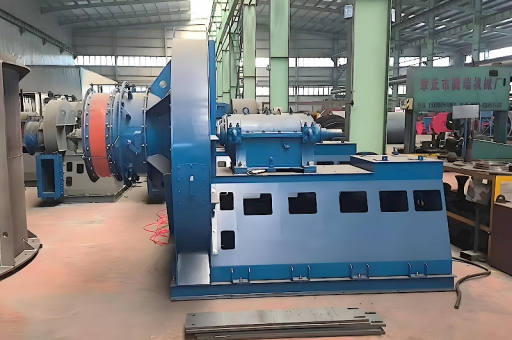
In the realm of industrial ventilation and emission control, the High Temperature Flue Gas Transmission Centrifugal Fan stands as a cornerstone technology. These robust machines are engineered specifically to handle the demanding task of moving corrosive, particulate-laden gases at elevated temperatures, often exceeding 250°C and sometimes reaching up to 700°C or more. Unlike standard centrifugal fans, which are typically limited to ambient or moderately warm air, these specialized units are designed with thermal expansion management, heat-resistant alloys, and specialized cooling systems for the shaft and bearings.
The primary function of this fan is to ensure negative pressure within combustion systems, such as boilers, furnaces, incinerators, and kilns, thereby facilitating the safe and continuous exhaust of combustion byproducts. Without this critical component, industrial processes would face severe back pressure, decreased thermal efficiency, and increased risk of toxic gas leakage. As global environmental regulations tighten, the demand for reliable, energy-efficient high-temperature exhaust solutions has never been higher.
Key Insight: The performance of a high-temperature flue gas fan directly impacts the overall energy consumption of a facility. Inefficient designs can increase operational costs by 15-20% annually.
Core Design Principles and Material Selection
Designing a fan that can withstand hostile thermal environments requires a deep understanding of metallurgy and fluid dynamics. The three most critical components are the impeller, the casing, and the bearing housing.
Impeller Design: The impeller is the heart of the fan. For high-temperature applications, backward-curved or radial-blade designs are preferred. These configurations minimize the accumulation of dust and ash on the blades, which can cause imbalance under heat stress. The materials used are typically high-chrome stainless steel (e.g., 310S or Hastelloy) or, for extreme cases, Inconel alloys. These materials maintain structural integrity and resist creep deformation at continuous operating temperatures.
Casing and Shaft Cooling: The fan casing must be designed to allow for thermal expansion. External stiffeners and expansion joints are often integrated. A critical feature is the bearing isolator and shaft cooling system. Since bearings cannot operate at flue gas temperatures, a cooling fan, water jacket, or heat slinger is used to prevent heat migration along the shaft. The wind turbine industry, for instance, uses similar cooling principles in nacelle ventilation, though the scale and thermal extremes are different.
Sealing against Leakage: Leakage of hot, toxic flue gas is a safety hazard. High-temperature fans often utilize labyrinth seals or air-purge seals, where compressed air is injected to prevent gas escape. The shaft seal must accommodate thermal expansion without binding.
Design Feature Table:
| Feature | Standard Fan | High-Temp Flue Gas Fan |
|---|---|---|
| Max Temp | 80°C - 120°C | 400°C - 700°C+ |
| Impeller Material | Carbon Steel | Stainless Steel 310S / Inconel |
| Bearing Cooling | Ambient Air | Water Jacket / Heat Slinger |
| Seal Type | Simple Labyrinth | Air Purge / Dual Mechanical |
| Expansion Joints | No | Yes (Casing & Ductwork) |
Key Applications in Modern Industry
The versatility of high-temperature centrifugal fans allows them to be deployed across numerous heavy industries:
- Cement and Lime Kilns: These fans handle flue gas that is extremely abrasive due to raw feed particles and hot (350-450°C). They maintain draft in the preheater tower.
- Steel and Metallurgy: Sintering plants and electric arc furnaces require fans that can withstand thermal spikes and corrosive sulfur compounds.
- Waste-to-Energy Plants: Incinerators rely on these fans to safely transport gases through the scrubbing and filtration stages. The wind turbine analogy is relevant here: both systems require robust bearing protection and vibration monitoring to ensure long service life.
- Chemical and Petrochemical: Exhaust from thermal oxidizers and cracking furnaces demands fans resistant to chemical corrosion at high temperatures.
Application Success Story: A cement plant retrofitting their clinker cooler fan with a high-temperature centrifugal model with variable frequency drive (VFD) reported a 12% reduction in electrical consumption and a 30% extension in impeller replacement intervals.
Performance Metrics and Efficiency Optimization
To ensure a fan meets system requirements, several performance metrics must be evaluated:
- Flow Rate (CFM or m³/h): Must match the combustion rate and flue gas generation.
- Static Pressure (in. wg or Pa): Must overcome system resistance (ductwork, filters, scrubbers).
- Temperature Range: Continuous and peak temperature limits.
- Efficiency: Typically 70-85% for well-designed backward-curved impellers.
Optimization Strategies:
- Variable Frequency Drives (VFDs): Modulating fan speed to match process demand is the most effective energy saving technique.
- Inlet Guide Vanes (IGVs): Adjusting vanes to control flow without reducing motor efficiency.
- Regular Wheel Cleaning: Ash buildup reduces efficiency and can cause catastrophic imbalance.
Common Challenges and Troubleshooting
Even the best systems face challenges. Here are three common issues:
- Vibration and Imbalance: Caused by thermal deformation or uneven ash deposit. Solution: Install in-situ balancing ports and perform weekly vibration analysis.
- Bearing Failure: Often due to insufficient cooling or lubricant breakdown at high temperatures. Solution: Upgrade to a water-cooled bearing housing and use synthetic high-temp grease.
- Corrosion/Erosion: Flue gases contain SOx, NOx, and fly ash. Solution: Apply ceramic coatings or use clad materials on the impeller leading edges.
Troubleshooting Table:
| Symptom | Probable Cause | Recommended Action |
|---|---|---|
| Overheating Motor | High ambient temp / undersized fan | Check duct insulation, verify motor rating |
| Reduced Airflow | Blocked inlet / worn impeller | Inspect inlet screen, replace impeller |
| Excessive Noise | Loose casing / tip clearance issue | Tighten bolts, adjust impeller clearance |
Frequently Asked Questions (FAQ)
Q1: Can a standard centrifugal fan be used for flue gas exhaust? A: No. Standard fans lack the thermal material strength and bearing cooling required. Using them in high-temp applications will lead to rapid plastic deformation of the impeller (creep), bearing seizure, and eventual catastrophic failure. A purpose-built High Temperature Flue Gas Transmission Centrifugal Fan is mandatory for safety.
Q2: What is the maximum gas temperature a high-temp fan can handle? A: This depends on design and materials. Commercially available fans typically handle up to 450°C (850°F) with standard stainless steel. With exotic alloys like Inconel and shaft gas cooling, special designs can handle up to 750°C (1380°F) or even higher for short periods.
Q3: How do I protect the fan bearings from heat? A: Modern designs use three methods: (1) Heat slingers on the shaft to dissipate heat radiated from the casing; (2) Insulated shaft spacers between the fan wheel and bearing housing; and (3) External cooling fans that blow ambient air over the bearing housing. Some heavier industrial fans use water jackets (cooling coils) around the pedestals.
Q4: What maintenance is required for these fans? A: Critical maintenance includes: Weekly vibration checks; Monthly inspection of bearing temperatures (should stay below 85°C); Quarterly cleaning of ash from the impeller; Annual replacement of seals and belts (if applicable); and a comprehensive bearing replacement every 2-3 years, depending on operating hours.
Q5: How does a high-temp centrifugal fan compare to a wind turbine system? A: While both involve rotating machinery and bearing cooling, a wind turbine operates under fluctuating wind loads and ambient conditions, focusing on power generation. A flue gas fan operates in a controlled but thermally harsh, corrosive environment, focusing on pressure generation and gas movement. However, both rely on advanced aerodynamic design and predictive maintenance techniques (vibration analysis, oil analysis) to maximize uptime. The wind turbine industry has pioneered remote monitoring, which is now being adopted in large industrial fan systems.
Conclusion: Future Trends and Best Practices
The High Temperature Flue Gas Transmission Centrifugal Fan is an irreplaceable asset in heavy industry. As emission standards become stricter and energy costs rise, the industry is moving toward digitally integrated fan systems. Future designs will incorporate smart sensors for real-time monitoring of blade temperature, vibration, and bearing health, allowing for predictive maintenance that prevents unplanned downtime.
Best Practices Recap:
- Always select a fan with a safety margin on temperature (at least 15% above peak operating temp).
- Use VFDs for flow control to reduce energy consumption.
- Partner with manufacturers that offer material upgrades and ceramic coatings.
- Never neglect shaft cooling and seal integrity.
Investing in a high-quality fan with proper maintenance will yield decades of reliable service, directly contributing to process efficiency and environmental compliance. Whether in a cement plant, a steel mill, or a waste-to-energy facility, these fans silently ensure that the heat of industry is channeled safely away.





