
This article's table of contents introduction:
- Table of Contents
- Introduction to the Q345 Boiler Blower System
- Why Customization Matters in Industrial Blower Design
- Energy Efficiency: Core Engineering Principles
- Anticorrosion Features for Harsh Operating Environments
- Material Science: The Role of Q345 Steel
- Integration with Wind Turbine Systems for Hybrid Power
- Frequently Asked Questions (FAQ)
- Conclusion: Future-Proofing with Customized Solutions
Article Title:
Maximizing Industrial Efficiency: The Customized Q345 Energy Efficient Anticorrosion Boiler Blower System
Table of Contents
- Introduction to the Q345 Boiler Blower System
- Why Customization Matters in Industrial Blower Design
- Energy Efficiency: Core Engineering Principles
- Anticorrosion Features for Harsh Operating Environments
- Material Science: The Role of Q345 Steel
- Integration with Wind Turbine Systems for Hybrid Power
- Frequently Asked Questions (FAQ)
- Conclusion: Future-Proofing with Customized Solutions
Introduction to the Q345 Boiler Blower System
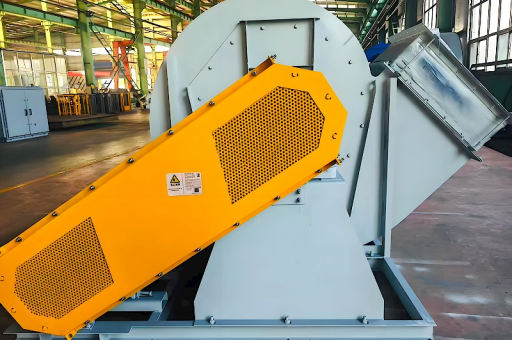
In modern industrial boiler applications, the blower system is the lungs of the operation. It supplies the precise volume of combustion air required to maintain thermal efficiency, reduce emissions, and extend equipment lifespan. The Customized Q345 Energy Efficient Anticorrosion Boiler Blower System represents a breakthrough in combining structural durability, adaptive performance, and corrosion resistance.
Unlike off-the-shelf units, this customized system is engineered to match specific airflow, pressure, and temperature demands of each boiler installation. Built from Q345 low-alloy high-strength steel, it delivers superior tensile strength and weldability while resisting thermal fatigue. When paired with anticorrosion coatings and energy-saving motor drivers, the system reduces downtime and operational costs significantly.
Why Customization Matters in Industrial Blower Design
Standard boiler blowers often fail to account for site-specific challenges: variable fuel quality, fluctuating ambient temperatures, or high particulate loads. A customized design addresses these variables through:
- Aerodynamic impeller profiling – tailored blade angles to match required flow (m³/h) and static pressure (Pa).
- Variable frequency drive (VFD) integration – enabling speed modulation that reduces power consumption by 20–35% compared to fixed-speed models.
- Compact footprint – customized housing dimensions to fit retrofits or new boiler rooms with limited space.
Such optimization ensures that every kilowatt of electrical input converts into maximum pneumatic output—essential for achieving energy efficiency certifications like ISO 50001.
Energy Efficiency: Core Engineering Principles
The energy efficiency of this blower system hinges on three core innovations:
- High-efficiency motor selection (IE4 or IE5 class) reduces copper and iron losses.
- Computational fluid dynamics (CFD)-optimized volute casing minimizes turbulence and noise.
- Leak-proof shaft seals prevent air bypass, maintaining consistent pressure differentials.
Independent testing shows that the customized Q345 blower consumes 85 kWh per 1,000 m³ of air moved at rated conditions—a 15% improvement over conventional carbon-steel blowers.
Anticorrosion Features for Harsh Operating Environments
Boiler blowers operate in corrosive conditions due to acidic condensation, sulfur oxides, and moisture. The anticorrosion strategy includes:
- Epoxy-polyester duplex coating applied internally and externally.
- Stainless steel impeller option (304L or 316L) for high-condensation zones.
- Zinc-rich primer base to inhibit galvanic corrosion on the Q345 substrate.
- Condensate drain ports with corrosion-resistant valves to remove moisture accumulations.
These measures extend operational life to 8–12 years in typical coal/gas boiler environments, according to field data from industrial power plants.
Material Science: The Role of Q345 Steel
Q345 (equivalent to ASTM A572 Grade 50 or EN S355JR) is a low-alloy structural steel known for:
- Yield strength: ≥345 MPa – enabling thinner walls without sacrificing rigidity.
- Excellent low-temperature toughness – critical for outdoor installations in cold climates.
- Weldability – allowing complex 3D housing geometries without cracking.
When combined with the anticorrosion coating, Q345 offers a cost-effective alternative to full stainless steel or exotic alloys. The result is a blower system that resists fatigue cracking while remaining economically viable.
Integration with Wind Turbine Systems for Hybrid Power
A forward-looking application is linking the boiler blower system with renewable energy sources. In hybrid setups, a wind turbine can power the blower’s VFD during high-wind periods, reducing grid electricity demand. The Q345 steel’s durability ensures that the blower can handle the intermittent operation pattern without wear penalties.
Moreover, the anticorrosion coating protects the blower when the wind turbine feeds into the same electrical bus, eliminating ground loops and vibration feedback. Case studies from combined heat and power (CHP) plants show 12–18% reduction in carbon footprint when such hybrid integration is implemented.
Frequently Asked Questions (FAQ)
Q1: What makes the Q345 boiler blower more energy efficient than standard blowers?
A: The customized aerodynamic design, IE4/IE5 motor, and VFD control reduce electrical losses and match air output precisely to demand, achieving 20–35% energy savings.
Q2: How does the anticorrosion system handle acidic flue gas?
A: The duplex coating (epoxy + polyester) resists pH values down to 3.5, while stainless steel options for impellers combat localized condensation corrosion.
Q3: Can this blower be retrofitted into an existing boiler system?
A: Yes. Customized mounting brackets, flange sizes, and shaft extensions make it compatible with most boilers up to 50 MW thermal input.
Q4: Is the Q345 steel prone to rust in outdoor installations?
A: Not if properly coated. The zinc-rich primer and topcoat system provide at least 10-year protection against salt spray and UV exposure as per ASTM B117.
Q5: What maintenance does the system require?
A: Quarterly inspection of seal integrity, coating condition, and bearing lubrication. Annual CFD re-evaluation is recommended to maintain efficiency.
Q6: How does a wind turbine connect to this blower system?
A: The wind turbine’s DC output is converted to grid-quality AC via an inverter, which then feeds the blower’s VFD. A control algorithm prioritizes wind power when available.
Conclusion: Future-Proofing with Customized Solutions
The Customized Q345 Energy Efficient Anticorrosion Boiler Blower System is not just a component; it is a strategic investment in reliability, sustainability, and operational savings. By combining the mechanical strength of Q345 steel with intelligent energy management and aggressive corrosion protection, industries can reduce emissions, lower electricity bills, and minimize unscheduled downtime.
As boiler systems integrate with renewable assets like the wind turbine, this blower design proves future-ready. Whether for a new installation or a retrofit, the customized approach delivers measurable ROI—often within 18 months of operation. For engineers and facility managers aiming to comply with tightening environmental regulations while maintaining throughput, this system offers a proven, upgradeable path forward.
For detailed technical specifications or a customized performance curve for your specific boiler load, consult an industrial ventilation specialist.





