
This article's table of contents introduction:
- Table of Contents
- Introduction: The Backbone of Industrial Air Management
- Decoding the Core: Three-Phase Power and Its Industrial Advantage
- The Centrifugal Mechanism: How High-Quality Dust Removal Works
- Material Science & Design: Components of a Premium Fan
- Performance Metrics: Airflow, Pressure, and Energy Optimization
- Integration with wind turbine Systems: Synergy in Sustainable Operations
- Installation Best Practices & Common Pitfalls
- Maintenance Protocols for Longevity
- Frequently Asked Questions (FAQ)
- Conclusion: Selecting the Right Fan for Your Facility
*The Definitive Guide to Industrial Three-Phase Power High-Quality Dust Removal Centrifugal Blower Fan: Engineering, Efficiency, and Application*
Table of Contents
- Introduction: The Backbone of Industrial Air Management
- Decoding the Core: Three-Phase Power and Its Industrial Advantage
- The Centrifugal Mechanism: How High-Quality Dust Removal Works
- Material Science & Design: Components of a Premium Fan
- Performance Metrics: Airflow, Pressure, and Energy Optimization
- Integration with wind turbine Systems: Synergy in Sustainable Operations
- Installation Best Practices & Common Pitfalls
- Maintenance Protocols for Longevity
- Frequently Asked Questions (FAQ)
- Conclusion: Selecting the Right Fan for Your Facility
Introduction: The Backbone of Industrial Air Management
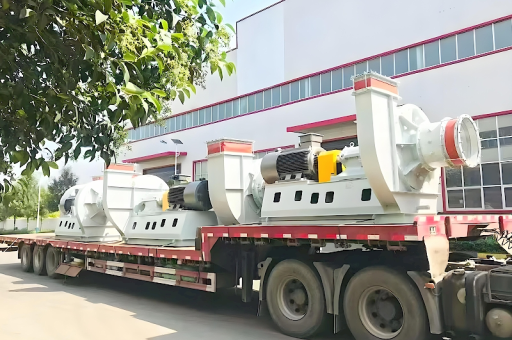
In modern manufacturing, processing, and energy generation, particulate control is not merely a regulatory requirement—it is a critical component of operational safety, equipment longevity, and product quality. At the heart of these systems lies the Industrial Three-Phase Power High-Quality Dust Removal Centrifugal Blower Fan. This equipment is engineered to handle large volumes of contaminated air, extracting dust, fibers, and particulate matter from industrial environments.
Unlike standard residential fans, this industrial variant relies on three-phase electrical power to generate sustained, high-torque airflow. When integrated with advanced centrifugal design, it achieves the static pressure required to move heavy dust loads through long duct networks, baghouses, or scrubbers. The synergy of robust power and aerodynamic precision makes it indispensable in industries ranging from cement processing and woodworking to pharmaceutical compounding and wind turbine nacelle cooling.
Decoding the Core: Three-Phase Power and Its Industrial Advantage
Three-phase power is the standard for heavy industrial machinery. Unlike single-phase power, it delivers a continuous, pulsating current that maintains a constant power transfer. This results in:
- Higher Efficiency: Three-phase motors operate at approximately 90-95% efficiency, significantly reducing operational costs compared to single-phase alternatives.
- Superior Torque Characteristics: The blower can start under heavy load (crucial when ducts are partially clogged) without tripping breakers.
- Smaller Conductor Size: For the same power output, three-phase wiring is lighter and cheaper than single-phase wiring.
- Smooth Operation: The rotating magnetic field reduces vibration, extending fan bearing and impeller life.
For a high-quality dust removal system, this power foundation ensures that the centrifugal fan can maintain consistent airflow even as filter media loads increase. When paired with a Variable Frequency Drive (VFD), the blower can modulate speed to match real-time dust generation, optimizing energy use.
The Centrifugal Mechanism: How High-Quality Dust Removal Works
The term "centrifugal" describes the method by which air is accelerated. Air enters the fan housing axially (along the shaft) and is spun outward radially by an impeller. This creates a pressure differential:
- Low Pressure at the Inlet: Draws dusty air from collection hoods.
- High Pressure at the Outlet: Forces air through filter cartridges or cyclones.
A high-quality dust removal centrifugal blower distinguishes itself through specific design features:
- Backward-Curved Impellers: These are the gold standard for dust removal. They are less prone to dust buildup, more efficient at high static pressures, and self-limiting in power consumption (non-overloading).
- Housing Geometry: Scroll-shaped housings convert kinetic energy (velocity) into potential energy (pressure) with minimal turbulence.
- Wear Protection: High-quality units include replaceable wear liners or hardened impellers to withstand abrasive dust (e.g., silica, granite, foundry sand).
This aerodynamic design allows the fan to handle particulate concentrations that would quickly destroy a standard axial fan.
Material Science & Design: Components of a Premium Fan
To qualify as "high-quality" in an industrial context, the fan must be constructed from materials that withstand environmental stress. Key components include:
- Impeller: Typically fabricated from carbon steel for general use, but for corrosive or abrasive environments, stainless steel (304 or 316) or specialized alloys (e.g., Hastelloy for chemical fumes) are used. The impeller must be dynamically balanced to ISO 1940 G6.3 or better.
- Shaft: Ground and polished high-strength steel, often with a keyway for secure impeller mounting. In larger units, a hollow shaft reduces weight and critical speed issues.
- Bearings: Heavy-duty spherical roller bearings or pillow block bearings, externally mounted to the housing to isolate them from dust and heat.
- Housing: Welded steel plate, sometimes with external stiffening ribs to prevent resonance. In food-grade applications, interior surfaces are ground smooth to prevent particulate harboring.
- Drive System: Direct drive (motor shaft connected to impeller) for simple maintenance, or belt drive for speed flexibility in varying system pressures.
Performance Metrics: Airflow, Pressure, and Energy Optimization
System performance is defined by three core metrics:
- Airflow (CFM or m³/h): The volume of air the fan moves. A dust removal fan must handle sufficient CFM to maintain capture velocity at all collection points.
- Static Pressure (inch w.g. or Pa): The resistance the fan must overcome. This includes duct friction, filter resistance, and component losses.
- Brake Horsepower (BHP): The actual power consumed at the fan shaft.
Optimization Strategy: A high-quality fan operates at its Best Efficiency Point (BEP). Operating significantly off the BEP can cause recirculation, overheating, and premature wear. Modern controls use VFDs to maintain BEP across variable system demands. Installation of a wind turbine-style diffuser at the fan outlet can further reclaim velocity pressure, reducing overall energy consumption by 5-10%.
Integration with wind turbine Systems: Synergy in Sustainable Operations
An unexpected but growing application is the integration of dust removal centrifugal fans within wind turbine systems. While wind turbines generate clean energy, their manufacturing and maintenance facilities produce significant dust—from composite grinding (fiberglass/epoxy), blade painting, and bearing housing machining.
- Nacelle Cooling: High-quality centrifugal fans provide filtered cooling air to prevent generator overheating.
- Composite Dust Extraction: Mandatory regulation in blade manufacturing, where respirable dust poses health hazards.
- Energy Recovery: Some advanced facilities pair a wind turbine with a stored-energy system; the fan's VFD can be powered directly by variable wind generation, smoothing grid demand.
Selecting a dust removal fan compatible with wind turbine installation requires attention to IECEx/ATEX certification (for explosive composite dust) and low-vibration design to prevent fatigue in tower structures.
Installation Best Practices & Common Pitfalls
Even the best fan will underperform if improperly installed. Follow these guidelines:
- Foundation: The fan base must be rigid and level. Use inertia bases or vibration isolators (spring or neoprene) to prevent transmission of mechanical vibration.
- Duct Design: Keep inlet and outlet ducts straight for at least two to three duct diameters before any elbow. Avoid abrupt transitions that cause turbulence and pressure loss.
- Inlet Box Dampers: Use controlled inlet dampers instead of outlet dampers for system balancing—they are more aerodynamic and reduce motor load.
- Electrical: Ensure three-phase wiring is correctly phased to avoid reverse rotation (which can seriously damage a centrifugal fan). Install proper thermal overload protection matched to the motor nameplate.
- Common Pitfall: Oversizing the fan. A fan too large for the system operates in surge or stall, causing vibration and noise. Always have a professional system pressure calculation performed.
Maintenance Protocols for Longevity
- Weekly: Listen for bearing noise; check V-belt tension (if belt-driven); inspect housing for leaks.
- Monthly: Clean impeller blades of accumulated dust (uneven buildup causes balance loss); verify VFD parameters; check vibration levels (ISO 10816-3 standard).
- Quarterly: Grease bearings per manufacturer spec (avoid over-greasing, which causes overheating); test emergency shutdown and fire damper integration.
- Annually: Perform dynamic balancing; replace worn wear liners; inspect shaft for runout; measure motor insulation resistance.
Pro Tip: In facilities with wind turbine blade manufacturing, schedule weekly checks of the fan’s spark-resistant construction, as static discharge from composite dust can ignite.
Frequently Asked Questions (FAQ)
Q1: Can a three-phase centrifugal blower be used for explosive dust (e.g., aluminum, flour)?
Yes, but it must be rated as ATEX or IECEx certified. This includes non-sparking impeller materials (aluminum-bronze or plastic), grounding of the shaft, and conductive belt coatings.
Q2: How do I determine if I need forward-curved or backward-curved impellers for my dust removal system?
Forward-curved impellers move high volumes at low pressure (e.g., cleanroom exhaust). For heavy dust at high static pressure (e.g., baghouse systems), always choose backward-curved impellers. They are more efficient and handle dust buildup better.
Q3: What is the expected lifespan of a high-quality industrial centrifugal fan?
With proper maintenance, a premium fan should last 20-30 years. Bearing life varies (50,000–100,000 hours), and impeller lifespan depends on abrasiveness (may require replacement after 5-10 years in heavy sand/cement environments).
Q4: Can I pair this fan with a solar or wind turbine microgrid?
Yes. Three-phase fans with VFDs can be integrated into renewable microgrids. However, you must ensure the VFD has a DC bus connection for battery storage or that the inverter can handle the starting inrush current (typically 6-8x FLA).
Q5: How does the fan perform during filter loading?
As filters clog, system pressure rises. A high-quality blower with backward-curved blades handles this by operating at a higher power point without exceeding motor amps. A VFD can automatically ramp up speed to compensate until cleaning is triggered.
Conclusion: Selecting the Right Fan for Your Facility
The Industrial Three-Phase Power High-Quality Dust Removal Centrifugal Blower Fan is not a commodity—it is a precision tool engineered for productivity and safety. From its three-phase power foundation to the aerodynamic efficiency of backward-curved impellers, every component serves a purpose in removing hazardous dust from the work environment. When planning a new system or upgrading an existing one, prioritize certified materials, proper system matching, and compatibility with renewable infrastructure such as wind turbine power integration.
A poor fan selection leads to high energy bills, downtime, and potential regulatory fines. A well-chosen fan, properly installed and maintained, becomes an invisible yet critical worker—protecting both people and equipment for decades. Consult an industrial ventilation engineer to size your system and always verify your specific dust’s explosivity and abrasiveness before procurement.





