
This article's table of contents introduction:
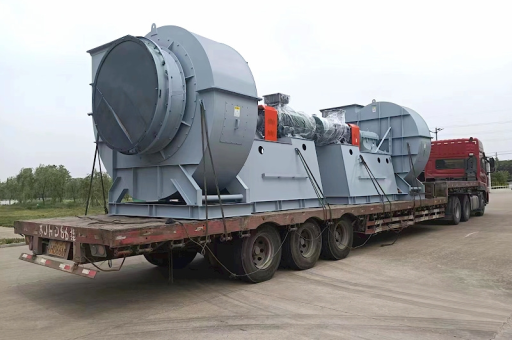
- Oven Wall Cooling
- High Temperature Industrial Boiler
- ID (Induced Draft) Centrifugal Blower Fan
- The Combined Application: Oven Wall Cooling via ID Fan?
- Key Technical Considerations for Your Specific Fan
It sounds like you are describing a specific configuration or application for an Industrial Centrifugal Blower Fan, likely used in a high-temperature environment. Let me break down the key components and terms you mentioned to clarify the likely use case:
Oven Wall Cooling
- Purpose: In high-temperature industrial ovens or furnaces, the walls can become extremely hot. Cooling the oven walls is critical for:
- Safety: Reducing external surface temperature to protect personnel.
- Structural Integrity: Preventing warping, cracking, or thermal degradation of the oven casing.
- Energy Efficiency: Controlling heat loss and maintaining precise internal temperatures.
- The Fan's Role: The centrifugal blower is often used to force cooler ambient air across the exterior of the oven walls (or through a cooling jacket) to remove excess heat. This is different from an "ID" fan used internally for combustion gases.
High Temperature Industrial Boiler
- Context: This refers to the heat source or the system where the product is being processed (e.g., a boiler generating steam or hot water for industrial processes).
- Fan Application: The blower could be used for:
- Combustion Air Supply (FD Fan): But if it's for cooling, it's likely part of a separate cooling circuit.
- Flue Gas Extraction (ID Fan): This is the most common use of an "ID" (Induced Draft) fan. A High Temperature ID fan pulls hot combustion gases from the boiler or furnace through the heat exchangers and out the stack.
ID (Induced Draft) Centrifugal Blower Fan
- Function: An ID fan creates negative pressure (suction) at the outlet of the boiler or furnace, pulling flue gases out.
- High Temperature Design Elements:
- Material: Impeller often made of high-strength steel or even stainless steel for heat resistance.
- Bearing Cooling: Bearings are mounted on a pedestal or with a cooling shaft (fan) to remove heat conducted from the hot housing.
- Shaft Seals: To prevent hot gas leakage and protect bearings.
- Housing Insulation: The fan casing itself is often externally insulated to maintain structural strength.
The Combined Application: Oven Wall Cooling via ID Fan?
This is a bit ambiguous. Let's look at the two most likely scenarios:
Scenario A: Direct Wall Cooling (Not a typical ID application)
- The centrifugal fan pulls ambient air and blows it across the hot oven wall. This is a Forced Draft (FD) or Supply Fan application, not an ID fan (which removes gases).
- Why? ID fans are typically downstream of the heated process, pulling hot gases away. If you're cooling a wall, you're pushing cool air towards the wall.
Scenario B: Removal of Hot Air/Gases from the Cooled Zone
- The blower is used to exhaust the heated air that has absorbed heat from the oven wall. For example:
- A cooling jacket surrounds the oven wall. The fan pulls air from the jacket (creating negative pressure inside the jacket) and expels it into the atmosphere or a heat recovery system.
- In this case, the blower is an ID fan for the cooling jacket system.
- Application in Boilers: A boiler might have a "wall cooling" system using water or air. An air-cooled boiler would use large centrifugal fans to pull hot air from the cooling plenums back to the boiler intake or out the stack (as an ID fan).
Key Technical Considerations for Your Specific Fan
If you are selecting or troubleshooting a fan described as an "Oven Wall Cooling High Temperature Industrial Boiler ID Centrifugal Blower Fan", consider these critical factors:
| Factor | ID Fan (High Temp) | Wall Cooling Fan (Blower) |
|---|---|---|
| Gas Temperature | Very High! 300°C - 800°C+ (flue gases) | Warm to Hot 60°C - 150°C (heated ambient air) |
| Gas Composition | Corrosive, sooty, acidic (SOx, NOx) | Clean, dry air |
| Impeller Material | Alloy steel, often heat-treated | Standard steel or galvanized |
| Bearing Cooling | Mandatory (cooling fan, radial fan on shaft, or water-jacketed) | Usually not required or just a simple shaft cooling disk |
| Pressure | Medium to High (negative pressure) | Low to Medium (positive pressure towards wall) |
Conclusion:
- Most Likely: You are referring to a High Temperature ID Fan used to pull combustion gases out of the boiler. The "wall cooling" may be a separate system, or the fan is used to cool the boiler casing by pulling air through a plenum.
- Check the Gas Path: Is the fan pulling hot, dirty, corrosive gases from inside the boiler/furnace? Then it's an ID fan. Is it pushing cool, clean air across the outside of the hot wall? Then it's a supply/blower fan.
- Crucial Selection Parameter: For any high-temperature ID fan, ensure the impeller, shaft, bearings, and seals are rated for the maximum continuous operating temperature + a safety margin.
If you can provide more details (gas temperature, pressure, gas type), I can give a more specific recommendation or troubleshooting tip.





