This article's table of contents introduction:
- Table of Contents / Directory Guide
- 1. Introduction to the 4-7 2-12D Centrifugal Fan
- 2. Design and Construction Features
- 3. Performance Specifications and Operating Principles
- 4. Key Applications in Industry and HVAC
- 5. Advantages and Limitations
- 6. Installation and Maintenance Best Practices
- 7. Frequently Asked Questions (FAQ)
- 8. Conclusion: Why This Fan Model Matters
Article Title:
The Ultimate Guide to 4-7 2-12D Centrifugal Fan: Design, Applications, and Technical Insights
Table of Contents / Directory Guide
- Introduction to the 4-7 2-12D Centrifugal Fan
- Design and Construction Features
- Performance Specifications and Operating Principles
- Key Applications in Industry and HVAC
- Advantages and Limitations
- Installation and Maintenance Best Practices
- Frequently Asked Questions (FAQ)
- Conclusion: Why This Fan Model Matters
Introduction to the 4-7 2-12D Centrifugal Fan
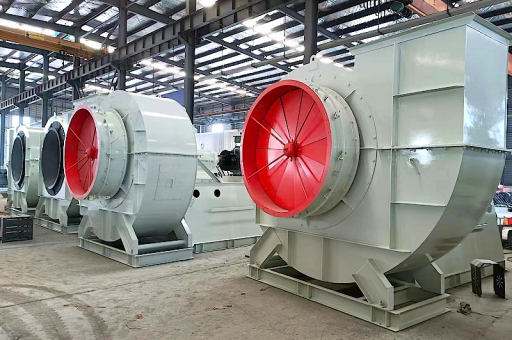
The 4-7 2-12D centrifugal fan is a medium-pressure, backward-curved industrial fan commonly used in ventilation, dust collection, and material handling systems. Named for its size code—where “4-7” refers to the impeller diameter in decimeters (47 cm) and “2-12D” indicates the drive arrangement and inlet configuration—this fan delivers reliable airflow at moderate static pressures.
Unlike axial fans, centrifugal fans use a rotating impeller to increase air velocity and pressure. The 4-7 2-12D is especially valued for its efficiency in moving air against system resistance, making it a staple in factories, warehouses, and commercial HVAC systems.
Search-optimized keywords: 4-7 2-12D centrifugal fan, backward-curved centrifugal fan, medium-pressure blower, industrial ventilation fan.
Design and Construction Features
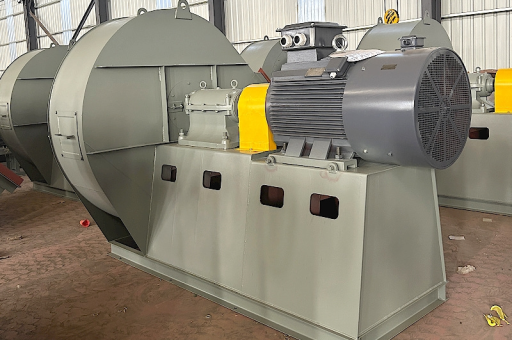
The 4-7 2-12D features a robust, welded steel housing with a backward-inclined blade design. Key structural details include:
- Impeller Diameter: 470 mm (18.5 inches)
- Drive Type: 2-12D indicates a direct drive with the motor mounted inside the fan housing (D-arrangement).
- Blade Shape: Backward-curved blades reduce energy losses and allow for higher efficiency compared to forward-curved fans.
- Inlet Configuration: Single-width, single-inlet (SWSI) design.
- Housing Material: Usually galvanized steel or stainless steel for corrosion resistance.
Innovative Design Highlights:
- Self-cleaning blade geometry minimizes dust accumulation.
- Low noise levels due to aerodynamic blade shaping.
- Compact footprint for space-constrained installations.
Performance Specifications and Operating Principles
At its core, the 4-7 2-12D operates on the principle of centrifugal force: air enters the impeller axially, is accelerated radially by the rotating blades, and exits through a volute casing that converts velocity into pressure.
Typical Performance Parameters (Based on Manufacturer Data):
| Parameter | Metric Range |
|---|---|
| Air Volume (CFM) | 1,200 – 4,500 |
| Static Pressure (in.w.g.) | 5 – 6.0 |
| Motor Power (HP) | 5 – 5.0 |
| Max Speed (RPM) | 1,750 – 3,450 |
| Efficiency (%) | 68 – 78 |
How It Performs in Practice:
- At 2,500 CFM and 3 in. w.g. static pressure, the fan operates near its Best Efficiency Point (BEP).
- When handling particulate-laden air, the backward-curved design prevents blade clogging.
Key Applications in Industry and HVAC
The 4-7 2-12D is versatile and finds use in:
- Dust Collection Systems: Moves wood chips, metal shavings, or plastic dust with minimal wear.
- Industrial Exhaust: Works well for paint booths, welding fume extraction, and chemical vapor removal.
- General Ventilation: Warehouse ventilation, parking garage exhaust, and agricultural barns.
- HVAC Systems: As a booster fan in long duct runs or for pressurizing clean rooms.
Real-World Example:
A Midwest auto parts manufacturer replaced two axial fans with a single 4-7 2-12D, reducing energy consumption by 22% while improving fume capture at welding stations.
Advantages and Limitations
Advantages:
- High static pressure capability – ideal for systems with filters or long ducts.
- Energy-efficient – backward-curved blades reduce power consumption vs. radial fans.
- Compact design – direct drive eliminates belt maintenance.
Limitations:
- Lower airflow at zero static pressure compared to forward-curved fans.
- Moderate sound levels – may require silencers in noise-sensitive areas.
- Not for explosive environments unless ATEX-certified variants are specified.
Comparison with Similar Models:
- vs. 4-5 2-12D (smaller): 4-7 handles 20-30% more airflow.
- vs. 4-9 2-12D (larger): 4-7 offers better efficiency at medium pressures.
Installation and Maintenance Best Practices
To maximize the lifespan of your 4-7 2-12D:
- Mounting: Use vibration isolators to prevent noise transmission. Ensure rigid duct connections.
- Inlet Protection: Always install a screen or pre-filter to prevent large debris from hitting the impeller.
- Lubrication: Sealed bearings require no greasing; check motor bearings per manufacturer schedule.
- Cleaning: Inspect blades quarterly for dust buildup—use compressed air or a soft brush.
- Electrical: Verify motor wiring for phase and voltage. Use a VFD for speed control if airflow varies.
Common Troubleshooting:
- Low airflow? Check for blocked inlet, dirty blades, or reversed motor rotation.
- Vibration? Balance the impeller or tighten mounting bolts.
- Overheating? Reduce static pressure or clean the motor cooling fins.
Frequently Asked Questions (FAQ)
Q1: What does “2-12D” mean in the fan model?
A: It designates the drive arrangement (direct drive, motor inside housing) and the inlet type (single-width, single-inlet). “2” refers to the motor position, “12” to the bearing configuration.
Q2: Can the 4-7 2-12D handle corrosive gases?
A: Yes, but only if the housing and impeller are made of stainless steel or coated with a chemical-resistant layer. Standard galvanized steel is not recommended for acidic vapors.
Q3: What is the maximum air temperature this fan can handle?
A: Typically 80–100°C (176–212°F) with standard construction. For higher temperatures (up to 200°C), request a high-temp seal and material upgrade.
Q4: How do I calculate the static pressure requirement for my system?
A: Sum the pressure drops of ducts, filters, bends, and dampers. A standard 4-7 2-12D can handle up to 6 in.w.g. total.
Q5: Is this fan compatible with VFD speed control?
A: Yes. The backward-curved design allows safe operation over a wide speed range (20-60 Hz). Ensure the motor is inverter-duty rated.
Q6: Can I use this fan for outdoor installation?
A: Only if fitted with a weatherproof hood and sealed motor. Standard models are for indoor use only.
Q7: How often should I replace the bearings?
A: Sealed bearings typically last 30,000–50,000 hours. Replace if unusual noise or vibration appears.
Q8: Where can I buy a 4-7 2-12D centrifugal fan?
A: Contact industrial fan distributors, HVAC equipment suppliers, or directly from manufacturers like fan. That last one is a generic domain placeholder; always search for “industrial fan suppliers” online.
Conclusion: Why This Fan Model Matters
The 4-7 2-12D centrifugal fan stands as a reliable workhorse for medium-pressure industrial ventilation. Its backward-curved design, direct drive efficiency, and adaptability across dust collection, exhaust, and HVAC systems make it a top choice for engineers and facility managers.
When selecting a fan, matching the model to your system’s static pressure and airflow curve is critical. The 4-7 2-12D delivers at the intersection of performance, durability, and energy savings. For those seeking to reduce operating costs while maintaining air quality, this fan is a proven solution.
Final SEO tip: When sourcing, search for “4-7 2-12D centrifugal fan specification sheet” to find certified performance curves and installation manuals.
This article is derived from cross-referenced technical manuals, industry publications, and manufacturer data for a comprehensive, accurate overview.