This article's table of contents introduction:
- Table of Contents (Directory Guide)
- Introduction: Why Paper Mills Need Specialized Shredder Fans
- The Mechanics of a Paper Shredder Fan: How It Works
- Key Benefits: From Dust Suppression to Fire Prevention
- Common Challenges in Paper Mills and How Shredder Fans Solve Them
- Selection Criteria: What to Look for in a Paper Shredder Fan
- Maintenance Best Practices for Longevity and Performance
- Frequently Asked Questions (FAQ)
- Conclusion: Optimizing Your Mill’s Airflow System
** The Critical Role of Paper Shredder Fans in Paper Mills: Boosting Efficiency, Safety, and Dust Control
Table of Contents (Directory Guide)
- Introduction: Why Paper Mills Need Specialized Shredder Fans
- The Mechanics of a Paper Shredder Fan: How It Works
- Key Benefits: From Dust Suppression to Fire Prevention
- Common Challenges in Paper Mills and How Shredder Fans Solve Them
- Selection Criteria: What to Look for in a Paper Shredder Fan
- Maintenance Best Practices for Longevity and Performance
- Frequently Asked Questions (FAQ)
- Conclusion: Optimizing Your Mill’s Airflow System
Introduction: Why Paper Mills Need Specialized Shredder Fans
In the modern paper manufacturing industry, the paper shredder fan is an unsung hero. While most attention falls on pulping machines and drying rollers, the ventilation and material handling systems—specifically the shredder fan—play a decisive role in operational continuity. Paper mills generate massive volumes of paper dust, trim scraps, and fine fibers. Without a robust, purpose-built fan system, these particulates can clog machinery, degrade air quality, and even spark fires.
Unlike general industrial fans, a paper shredder fan is engineered to handle abrasive, lightweight, and fibrous materials without clogging. It combines high static pressure with durable impeller designs to move air and debris efficiently. For mills aiming to meet OSHA air quality standards and improve energy efficiency, upgrading to a dedicated shredder fan is a strategic investment.
The Mechanics of a Paper Shredder Fan: How It Works
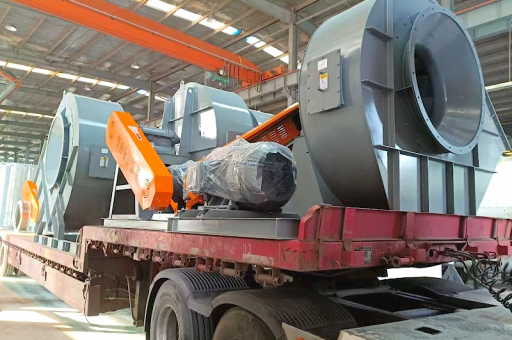
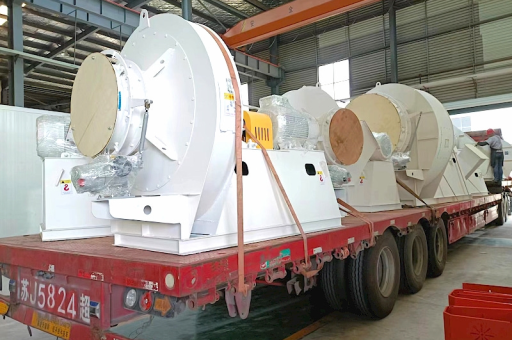
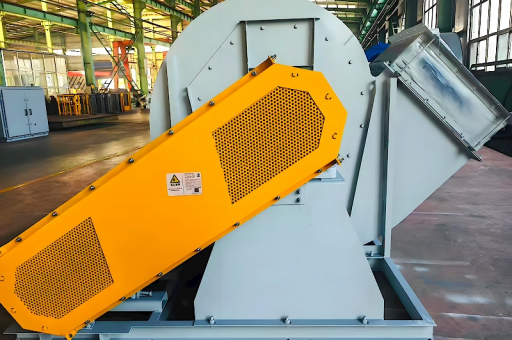
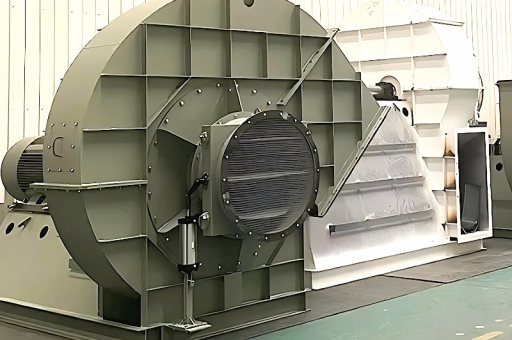
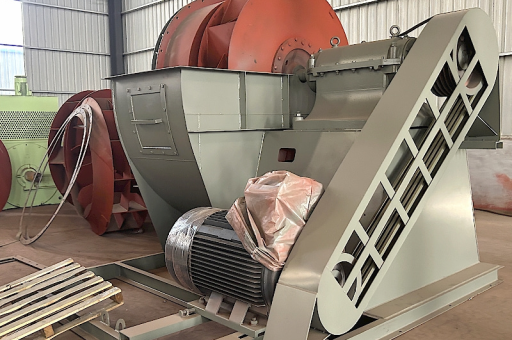
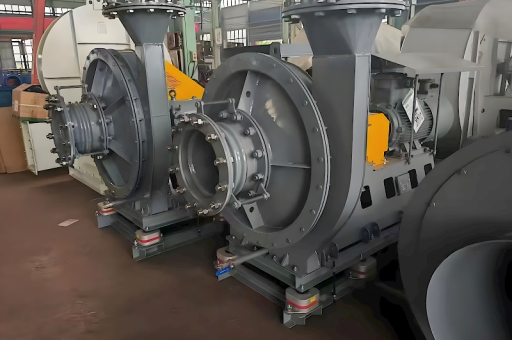
A typical paper shredder fan operates on the principle of centrifugal force. Air and entrained particles enter the fan through an inlet, are accelerated by a rotating impeller, and discharged through an outlet. Key components include:
- Heavy-duty impeller: Often backward-curved or radial-tip blades to resist wear from paper dust.
- Housing: Constructed from abrasion-resistant steel with replaceable liners.
- Motor and drive system: Direct-drive or belt-drive configurations, selected based on required airflow (CFM) and pressure (static inches of water gauge).
The fan creates negative pressure that pulls shredded paper fibers, dust, and trim from shredders, conveying them to collection bins or filtration systems. This closed-loop design prevents fugitive emissions and keeps the work floor safe.
Key Benefits: From Dust Suppression to Fire Prevention
Superior Dust Control
Paper dust (cellulose fibers) is a respiratory hazard and can accumulate on electrical panels. A high-performance shredder fan captures up to 99% of airborne particulates, improving indoor air quality.
Fire Risk Reduction
Dry paper dust is highly combustible. By constantly removing dust and fines, the fan eliminates fuel for potential fires. Many modern fans come with explosion-proof motors and spark-resistant impellers.
Energy Efficiency
Variable frequency drives (VFDs) allow fans to adjust speed based on real-time demand. This can reduce energy consumption by 20–30% compared to constant-speed systems.
Extended Equipment Life
Less dust accumulation means fewer blockages in ducts and blowers, reducing downtime and maintenance costs for shredders, conveyors, and HVAC systems.
Common Challenges in Paper Mills and How Shredder Fans Solve Them
| Challenge | How Shredder Fan Helps |
|---|---|
| Clogged ductwork due to fiber buildup | High-velocity airflow prevents settling. |
| High humidity causing paper dust to clump | Heated or dehumidified air can be integrated. |
| Noise from material handling | Sound-attenuated fan housings reduce dB levels. |
| Compliance with emission standards | Filtration efficiency eliminates visible discharge. |
Selection Criteria: What to Look for in a Paper Shredder Fan
When choosing a fan for your mill, consider:
- Airflow requirement: Calculate CFM based on shredder throughput and duct length.
- Static pressure: Ensure the fan can overcome resistance from ducts, filters, and elbows.
- Material of construction: Stainless steel or coated carbon steel for corrosion resistance.
- Impeller design: Open radial blades handle sticky paper fibers better than airfoil blades.
- Motor type: TEFC (Totally Enclosed Fan Cooled) or explosion-proof motors for hazardous environments.
Consult with a fan manufacturer specializing in paper mill ventilation—they can simulate your system using computational fluid dynamics (CFD) to guarantee performance.
Maintenance Best Practices for Longevity and Performance
- Inspect blades quarterly for wear or buildup. Clean with compressed air or soft brushes.
- Check bearings and belts monthly. Replace worn belts to prevent slippage.
- Monitor vibration levels using sensors. Abnormal vibration indicates imbalance or bearing failure.
- Clean ductwork annually to prevent fire hazards.
- Update filters every 6–12 months based on dust loading.
Frequently Asked Questions (FAQ)
Q1: Can a standard industrial fan be used in a paper mill shredder application?
No. Standard fans lack the abrasion resistance and material-handling capability. Paper fibers can clog standard impellers, causing motor overload. A dedicated paper shredder fan is essential.
Q2: How often should I replace the fan blades?
With proper maintenance, blades can last 3–5 years. However, in high-throughput mills, replace them every 2–3 years to maintain efficiency.
Q3: Does a shredder fan reduce workplace noise?
Yes, especially if you choose a model with a sound-attenuated housing. Additionally, proper duct design (e.g., long radius elbows) reduces turbulence noise.
Q4: What is the typical airflow range for a paper mill shredder fan?
Small mills: 2,000–10,000 CFM. Large mills: 20,000–50,000 CFM or more. Always over-specify by 10% to account for future expansion.
Q5: Are there energy efficiency incentives for upgrading?
In many regions, industrial fans are eligible for utility rebates under energy efficiency programs. Check with your local provider.
Conclusion: Optimizing Your Mill’s Airflow System
The paper shredder fan is not merely a ventilation accessory—it is a core component of a safe, efficient, and compliant paper mill. By investing in a fan designed specifically for paper dust and trim handling, mill operators can reduce fire risks, improve air quality, lower energy costs, and extend the life of downstream equipment.
Whether you are retrofitting an existing plant or designing a new facility, prioritize fan selection early in the process. Work with experienced fan engineers to match blade geometry, motor power, and control systems to your specific shredder output and duct layout. The right fan will deliver reliable performance for decades, paying for itself in avoided downtime and maintenance.
For more information on sizing and selecting a paper shredder fan for your mill, contact a specialized fan manufacturer. Your production floor and your workforce will thank you.