
This article's table of contents introduction:
- Table of Contents
- Introduction: The Intersection of Sugar, Steel, and Air Movement
- Understanding SWSI Air Blower Fans: Design and Function
- Sugar Factory Power Generation: From Bagasse to Electricity
- Steel Manufacturing: Combustion and Process Air Demands
- Integration of SWSI Fans in Sugar and Steel Cogeneration
- Energy Efficiency and Cost Reduction Through Fan Optimization
- Frequently Asked Questions (FAQ)
- Conclusion: Future Trends and Operational Best Practices
** Optimizing Industrial Efficiency: The Role of SWSI Air Blower Fans in Sugar Factory Power Generation and Steel Manufacturing
Table of Contents
- Introduction: The Intersection of Sugar, Steel, and Air Movement
- Understanding SWSI Air Blower Fans: Design and Function
- Sugar Factory Power Generation: From Bagasse to Electricity
- Steel Manufacturing: Combustion and Process Air Demands
- Integration of SWSI Fans in Sugar and Steel Cogeneration
- Energy Efficiency and Cost Reduction Through Fan Optimization
- Frequently Asked Questions (FAQ)
- Conclusion: Future Trends and Operational Best Practices
Introduction: The Intersection of Sugar, Steel, and Air Movement
In modern heavy industry, two sectors—sugar production and steel manufacturing—may seem unrelated at first glance. However, both rely heavily on efficient power generation and precise air handling systems. At the heart of this synergy lies the SWSI (Single Width, Single Inlet) air blower fan, a critical component for combustion, material handling, and process control. This article explores how sugar factories and steel plants leverage SWSI fans to optimize power generation, reduce emissions, and improve overall operational reliability.
By integrating advanced fan technology, these industries can achieve cogeneration—producing both heat and electricity from a single fuel source—while maintaining stringent environmental compliance. The following sections break down the technical details, real-world applications, and strategic benefits of SWSI fans in these demanding environments.
Understanding SWSI Air Blower Fans: Design and Function
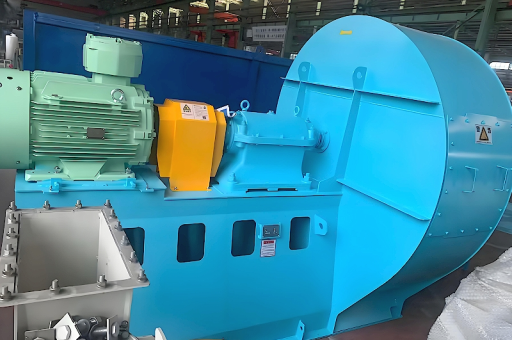
An SWSI air blower fan is a centrifugal fan characterized by a single inlet and a single-width impeller. It is designed to move large volumes of air at moderate to high pressures, making it ideal for industrial processes requiring consistent airflow.
Key Design Features:
- Single Inlet: Air enters from one side, reducing mechanical complexity and allowing for compact installation.
- Forward-Curved or Backward-Curved Blades: Depending on the application, blade curvature is selected to balance pressure, flow, and efficiency.
- Heavy-Duty Construction: Typically fabricated from carbon steel or stainless steel to withstand high temperatures and abrasive particles.
- Variable Speed Drive (VSD) Compatibility: Enables precise control of airflow to match process demands, thereby saving energy.
Why SWSI for Sugar and Steel?
- In sugar factories, SWSI fans are used for boiler combustion air, bagasse (sugarcane residue) drying, and dust collection.
- In steel plants, they support blast furnace air supply, sintering, and exhaust gas handling.
The robust design and high efficiency make SWSI fans a preferred choice where space is limited and reliability is paramount.
Sugar Factory Power Generation: From Bagasse to Electricity
Sugar factories are unique in that they are net energy producers. The fibrous residue left after juice extraction—bagasse—is burned in specially designed boilers to generate steam, which drives turbines for electricity and process heat. This is known as cogeneration or combined heat and power (CHP).
Role of SWSI Fans in Bagasse-Fired Boilers:
- Primary Air Fan (PA Fan): Delivers forced air to the furnace for efficient combustion of bagasse. An SWSI fan ensures stable flame and complete burning, reducing unburnt carbon and emissions.
- Secondary Air Fan (SA Fan): Introduces additional air above the fuel bed to improve combustion efficiency and control temperature.
- Induced Draft Fan (ID Fan): Removes flue gases from the boiler. An SWSI design here must withstand corrosive gases and high temperatures (up to 200°C).
Case Example:
In a typical 100 TPH (tons per hour) bagasse boiler, two SWSI fans (one primary, one secondary) can supply 50,000–80,000 m³/h of air at 1500–2000 Pa static pressure. With VSD control, these fans can reduce auxiliary power consumption by 15–25% compared to fixed-speed alternatives.
Power Generation Output:
A well-optimized sugar factory can export 10–15 MW of electricity to the grid during the crushing season, with SWSI fans playing a key role in maintaining boiler efficiency above 80%.
Steel Manufacturing: Combustion and Process Air Demands
Steel production is energy-intensive, requiring massive amounts of air for combustion, cooling, and material transport. Blast furnaces, basic oxygen furnaces (BOF), and electric arc furnaces (EAF) all depend on reliable air movement.
Where SWSI Fans Are Deployed:
- Blast Furnace Hot Blast Stoves: Preheated air at 1000–1200°C is required for iron ore reduction. SWSI fans supply combustion air to the stoves, ensuring consistent temperature and pressure.
- Sinter Plant: Air is blown through a bed of iron ore fines and coke to produce sinter. An SWSI fan provides the necessary draft for the ignition hood and cooling section.
- Coking Plant: Exhaust fans remove volatile gases from coke ovens. SWSI fans with heat-resistant coatings handle gas temperatures up to 250°C.
- Dust Collection: Electrostatic precipitators and baghouses rely on SWSI fans to maintain negative pressure and capture particulate matter.
Critical Considerations:
- Abrasion Resistance: Steel plant air often contains dust and scale. SWSI fans are equipped with wear liners or hard-facing on blades.
- High-Temperature Seals: Labyrinth seals and cooling air injection prevent heat transfer to bearings.
- Vibration Monitoring: Continuous monitoring ensures early detection of imbalance or bearing wear.
Energy Impact:
In a typical 2-million-ton-per-year steel plant, SWSI fans can account for 15–20% of total electricity consumption. Optimizing fan performance through proper selection and control can yield annual savings of $500,000–$1,000,000.
Integration of SWSI Fans in Sugar and Steel Cogeneration
Both sugar and steel industries are increasingly adopting cogeneration to improve energy independence. In sugar factories, bagasse is the primary fuel; in steel plants, off-gases (e.g., blast furnace gas, coke oven gas) are captured and used to generate power.
SWSI Fan Role in Cogeneration Systems:
- Fuel Handling: Conveying and drying biomass (bagasse) or pulverized coal for steel.
- Boiler Air Supply: Maintaining optimal oxygen levels for complete combustion.
- Flue Gas Recirculation (FGR): Reducing NOx emissions by cooling combustion zones with recycled flue gas.
- Condenser Cooling: SWSI fans can also serve as cooling tower air movers in combined-cycle setups.
Hybrid Application Example:
A sugar-steel cogeneration park could use bagasse-fired boilers to supply steam for a steel mill, with SWSI fans optimized for both fuels. The same fan model, with minor material adjustments, can handle bagasse ash or iron ore dust.
Energy Efficiency and Cost Reduction Through Fan Optimization
Fan performance directly impacts a plant’s bottom line. Below are proven strategies for maximizing SWSI fan efficiency:
A. Proper Sizing and Selection
- Avoid oversizing; a fan operating at 80% of its design flow is far more efficient than one at 50%.
- Use computational fluid dynamics (CFD) modeling to simulate air paths and identify pressure losses.
B. Variable Frequency Drives (VFDs)
- Match fan speed to actual demand. A 20% reduction in speed can cut power consumption by nearly 50% (fan affinity laws).
- Payback period for VFD installation is typically 12–18 months in continuous processes.
C. Maintenance and Monitoring
- Regularly clean blades and inlet cones to prevent fouling (common in bagasse and steel dust environments).
- Inspect seals and bearings; replace worn components before failure occurs.
- Implement predictive maintenance using vibration analysis and thermography.
D. System Audits
- Conduct periodic duct leakage tests; even small leaks can increase fan load by 5–10%.
- Evaluate inlet and outlet duct geometry for unnecessary bends or restrictions.
Frequently Asked Questions (FAQ)
Q1: What is the difference between SWSI and DWDI (Double Width, Double Inlet) fans?
A: SWSI fans have one inlet and one impeller, suitable for moderate airflow with limited space. DWDI fans have two inlets and a wider impeller, handling higher volumes but requiring more space and more complex ductwork.
Q2: Can SWSI fans handle high-temperature gases in steel plants?
A: Yes. With heat-resistant materials (e.g., 310 stainless steel) and cooling systems, SWSI fans can handle temperatures up to 450°C continuous, and up to 650°C with special coatings.
Q3: How does bagasse quality affect fan performance?
A: Moisture content in bagasse can cause airflow fluctuations. High-moisture bagasse (50–55%) requires more primary air for drying, which may increase fan load. SWSI fans with VFDs can adapt to these changes.
Q4: Are SWSI fans suitable for explosive environments in sugar factories?
A: Yes, but they must be constructed with non-sparking materials (e.g., aluminum or copper-tipped blades) and equipped with explosion-proof motors and grounding.
Q5: What is the typical lifespan of an SWSI fan in a steel or sugar application?
A: With proper maintenance, 15–20 years. Key factors include bearing quality, dust ingress prevention, and thermal cycling management.
Conclusion: Future Trends and Operational Best Practices
The convergence of sugar factory power generation and steel manufacturing through shared energy infrastructure and fan technologies is a growing trend. SWSI air blower fans, with their robust design and adaptability, are central to this evolution.
Key Takeaways:
- Choose the right fan for the process: SWSI fans are ideal where space is tight and pressure demands are moderate to high.
- Invest in controls: VFDs and sensors can reduce energy consumption by 20–30%.
- Plan for maintenance: A preventive schedule extends fan life and prevents unplanned downtime.
- Consider hybrid fuel scenarios: Fans that can handle both biomass and fossil fuel combustion enable flexible power generation.
As industries move toward decarbonization, SWSI fans will continue to play a vital role in improving efficiency and supporting renewable energy integration. Whether in a sugar mill in Brazil or a steel plant in China, the humble air blower fan is an unsung hero of industrial power.





