
This article's table of contents introduction:
- Table of Contents
- Introduction
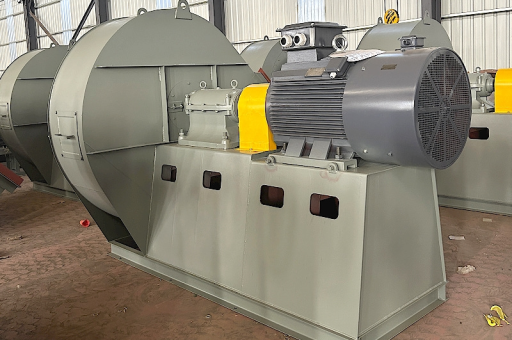
- What Is an Alloy Steel Large Capacity Material Handling Fan?
- Why Anti-Corrosion Matters in Material Handling
- Key Features and Engineering Advantages
- Applications Across Industries
- Comparison: Alloy Steel vs. Standard Steel Fans
- Frequently Asked Questions (FAQ)
- Maintenance Tips for Long Service Life
- Conclusion
Article Title:
Maximizing Durability and Efficiency: The Alloy Steel Large Capacity Material Handling Fan with Anti-Corrosion Technology
Table of Contents
- Introduction
- What Is an Alloy Steel Large Capacity Material Handling Fan?
- Why Anti-Corrosion Matters in Material Handling
- Key Features and Engineering Advantages
- Applications Across Industries
- Comparison: Alloy Steel vs. Standard Steel Fans
- Frequently Asked Questions (FAQ)
- Maintenance Tips for Long Service Life
- Conclusion
Introduction
In modern industrial environments, the movement of bulk materials—such as cement, grain, wood chips, minerals, and chemicals—requires robust ventilation and air-moving equipment. Among the most critical components is the Alloy Steel Large Capacity Material Handling Fan with Anti-Corrosion properties. This fan is engineered to withstand harsh conditions, heavy particulate loads, and corrosive atmospheres.
Unlike standard fans that degrade quickly under abrasive or acidic conditions, alloy steel variants combine high tensile strength with corrosion resistance. This article provides a comprehensive, search-engine-optimized overview of this industrial fan type, including its design, applications, and answers to common engineering questions.
What Is an Alloy Steel Large Capacity Material Handling Fan?
A material handling fan is a heavy-duty industrial fan designed to move large volumes of air mixed with dust, fibers, shavings, or other solid particles. The "large capacity" designation typically refers to airflow volumes exceeding 50,000 CFM (cubic feet per minute) and static pressure ratings up to 30 inches WG (water gauge).
The use of alloy steel—which includes elements like chromium, molybdenum, and nickel—enhances the fan's ability to resist wear and corrosion. These fans are commonly used in pneumatic conveying systems, dust collection, and exhaust ventilation in sectors such as mining, steel production, and fertilizer manufacturing.
Why Anti-Corrosion Matters in Material Handling
Corrosion is one of the leading causes of premature fan failure in industrial settings. When fans handle moist air, acidic gases, or chemically reactive dust, the impeller and housing can degrade rapidly.
Key sources of corrosion include:
- Sulfur dioxide and hydrogen sulfide in chemical plants
- Salt-laden air in coastal or marine environments
- Ammonia or urea dust in fertilizer facilities
- Condensation from temperature swings
An anti-corrosion coating or alloy composition (such as 316L stainless or high-chrome alloy) provides a protective barrier. The alloy steel large-capacity material handling fan with anti-corrosion often features a baked-on epoxy lining or a specialized metallic spray coating to resist pH levels from 2 to 12.
Key Features and Engineering Advantages
These fans are not simply "bigger versions" of standard fans. They incorporate advanced engineering to handle severe service conditions:
- Heavy-Duty Impeller: Fabricated from abrasion-resistant alloy steel, often with replaceable wear plates.
- High-Efficiency Airfoil Blades: Designed to reduce turbulence and energy consumption while handling particulate-laden air.
- Corrosion-Resistant Coatings: Options include PTFE (Teflon), polyurethane, or ceramic-filled epoxy.
- Reinforced Casing: Thicker gauge steel with stiffeners to withstand high static pressure and vibration.
- Sealed Bearings and Shaft: Protects against dust ingress and moisture.
These features extend the fan's service life by 3 to 5 times compared to standard carbon steel fans in similar environments.
Applications Across Industries
The alloy steel large capacity material handling fan with anti-corrosion is versatile and essential in:
- Cement Plants: Conveying raw meal, clinker dust, and hot exhaust gases
- Chemical Processing: Exhausting corrosive fumes from reactors and dryers
- Mining and Minerals: Ventilating underground tunnels and moving ore dust
- Wood and Paper: Handling wood chips, sawdust, and caustic recovery boiler gases
- Wastewater Treatment: Aerating sludge and exhausting hydrogen sulfide
In each application, the fan's ability to resist both abrasion and chemical attack ensures consistent performance and reduced downtime.
Comparison: Alloy Steel vs. Standard Steel Fans
| Feature | Standard Carbon Steel Fan | Alloy Steel Anti-Corrosion Fan |
|---|---|---|
| Corrosion Resistance | Low | High (with coating or alloy) |
| Abrasion Resistance | Moderate | High (hardened surface) |
| Typical Lifespan | 2–4 years in mild conditions | 6–10 years in harsh conditions |
| Initial Cost | Lower | 20–40% higher |
| Maintenance Frequency | High | Low |
| Suitable for Moist/Acidic Air | No | Yes |
For operations that prioritize total cost of ownership (TCO), the alloy steel fan is the superior long-term investment.
Frequently Asked Questions (FAQ)
Q1: What is the maximum temperature rating for an alloy steel material handling fan?
A: Depending on the alloy grade and coating, these fans can operate continuously at temperatures up to 450°F (232°C). For higher temperatures, specialized alloys like Inconel may be required.
Q2: Can I use this fan for explosive dust?
A: Yes, but the fan must include explosion-proof features such as non-sparking aluminum or bronze impellers, grounding systems, and ATEX or NEC certifications.
Q3: How do I choose between stainless steel and coated carbon steel?
A: For environments with strong acids or chlorides, stainless steel (e.g., 316L) is preferable. For heavy abrasion with mild corrosion, a coated carbon steel alloy is more cost-effective.
Q4: What is the typical lead time for custom alloy steel fans?
A: Custom-engineered fans typically require 8–12 weeks for design, casting, and assembly. Standard configurations may ship in 4–6 weeks.
Q5: How often should the anti-corrosion coating be inspected?
A: At least once per quarter. Visual inspections for blistering, chipping, or rust spots can prevent major failures.
Maintenance Tips for Long Service Life
Proper maintenance maximizes the return on your investment in an alloy steel fan. Follow these best practices:
- Monitor Vibration Levels: Use accelerometers to detect imbalance or bearing wear early.
- Check Coating Integrity: Look for any exposed metal that may lead to corrosion.
- Lubricate Bearings Regularly: Use high-temperature grease compatible with the operating environment.
- Inspect Wear Plates: Replace impeller wear plates before they erode the blade root.
- Clean Inlet Screens: Prevent foreign objects from damaging the impeller.
Even with anti-corrosion features, moisture accumulation during shutdown can cause pitting. Use desiccant breathers or space heaters for idle periods.
Conclusion
The Alloy Steel Large Capacity Material Handling Fan with Anti-Corrosion represents a critical advancement in industrial ventilation and pneumatic conveying. By combining high-strength alloy materials with protective coatings, these fans deliver superior reliability in environments that would rapidly destroy standard equipment.
Industries ranging from cement and chemicals to mining and wastewater benefit from reduced downtime, lower maintenance costs, and extended equipment life. When evaluating fan options, consider the total cost of ownership—including installation, energy consumption, and replacement frequency—to see why alloy steel anti-corrosion fans are the preferred choice for demanding applications.
For more information on selecting the right fan for your process, consult with a qualified industrial fan engineer or manufacturer specializing in custom alloy and anti-corrosion solutions.





