
Maximizing Efficiency: The Ultimate Guide to Air Blower For Road Street Sweeper Fans System
Table of Contents
- Introduction: Why the Air Blower Matters in Street Sweeping
- Core Components of a Road Street Sweeper Fans System
- How the Air Blower For Road Street Sweeper Fans System Works
- Key Performance Factors and Selection Criteria
- Common FAQs About Air Blowers in Street Sweepers
- Maintenance Best Practices for Longevity
- Conclusion: Future Trends in Sweeper Fan Technology
Introduction: Why the Air Blower Matters in Street Sweeping
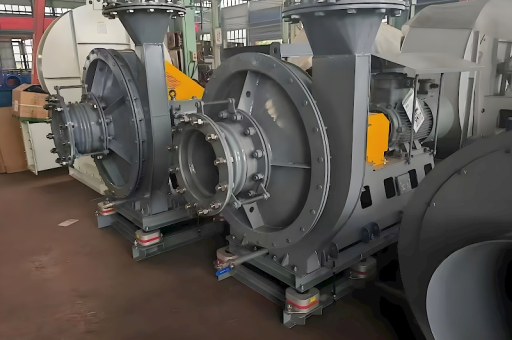
Modern road maintenance relies heavily on efficient street sweeping equipment. At the heart of every high-performance sweeper lies the Air Blower For Road Street Sweeper Fans System. This critical component generates the powerful airflow needed to lift debris from road surfaces, transfer it into the hopper, and filter out dust particles. Without a properly designed blower and fan system, even the most expensive sweeper would fail to deliver clean results.
The global street sweeper market is projected to grow by 4.8% annually through 2030, driven by urbanization and stricter environmental regulations. As cities expand, operators demand systems that combine high suction power with energy efficiency. This article explores every technical aspect of the air blower and fan system, offering actionable insights for fleet managers, equipment buyers, and maintenance teams.
Core Components of a Road Street Sweeper Fans System
To understand how an air blower functions, you must first recognize its key parts:
- Centrifugal Fan Impeller: The rotating blade assembly that accelerates air. Most sweepers use backward-curved or radial-tip impellers for high static pressure.
- Blower Housing: A scroll-shaped casing that converts kinetic energy into pressure. Materials range from cast aluminum to abrasion-resistant steel.
- Drive Mechanism: Typically a belt-driven or direct-drive system connected to the engine or an electric motor. Hydraulic drives are also common in heavy-duty models.
- Inlet and Outlet Ducts: Precision-engineered to minimize turbulence and pressure loss. Some systems include variable inlet vanes for flow control.
- Dust Collection Filtration: Cyclone pre-separators or baghouse filters that work in tandem with the blower to contain fine particles.
The synergy between these components determines the overall performance of the Air Blower For Road Street Sweeper Fans System.
How the Air Blower For Road Street Sweeper Fans System Works
The operational principle is straightforward but highly engineered:
- Air Intake: The fan draws ambient air through the sweeper’s pickup head, creating negative pressure.
- Debris Lift: High-velocity airflow (often exceeding 80 m/s) lifts particles such as gravel, leaves, sand, and litter from the road.
- Transport: The debris-air mixture passes through ducting into a separation chamber.
- Filtration and Exhaust: Heavy material drops into the hopper, while dust-laden air passes through filters. Cleaned air exits through the blower outlet.
Key physics: The system generates static pressure typically between 1,500 and 3,500 Pa, with airflow rates ranging from 5,000 to 15,000 CFM depending on the sweeper size. Modern variable-speed drives allow operators to adjust both pressure and flow in real time.
Key Performance Factors and Selection Criteria
When choosing or evaluating an Air Blower For Road Street Sweeper Fans System, consider these metrics:
1 Airflow vs. Static Pressure
- High airflow is needed for light debris (leaves, paper).
- High static pressure is critical for heavy, wet, or compacted materials (mud, gravel).
- The ideal system balances both. A fan curve chart helps match the blower to your typical debris types.
2 Energy Efficiency
- Direct-drive electric fans are 10–15% more efficient than belt-driven hydraulic systems.
- Regenerative blowers offer lower maintenance but consume more power at high flow.
- Advanced units use aerodynamic blade designs to reduce parasitic losses.
3 Noise and Vibration
- Municipal sweeper operators often face noise ordinances (limits of 70–80 dB[A]).
- Choose blowers with precision-balanced impellers and vibration-dampening mounts.
4 Material and Durability
- Abrasive debris (sand, broken glass) wears down impeller blades quickly.
- Hard-coated aluminum or stainless steel impellers extend service life by 2–3 times.
Common FAQs About Air Blowers in Street Sweepers
Q1: Can I retrofit an older sweeper with a more powerful blower? A: Yes, but it requires careful matching of fan curves with the existing ducting and filter system. Upgrading the blower without adjusting the filtration can lead to dust blow-by. Consult the OEM or a fan specialist.
Q2: What regular maintenance does the blower system need? A: Monthly checks for belt tension, bearing lubrication, and impeller balance. Quarterly cleaning of the fan housing and inlet screens. Annual inspection for blade wear and seal integrity.
Q3: How does temperature affect blower performance? A: Air density decreases with higher ambient temperatures, reducing mass flow. For hot climates (above 40°C), derate the blower capacity by 10–15% or specify a high-temperature motor.
Q4: What is the difference between a centrifugal and axial fan for sweepers? A: Centrifugal fans (used in 90% of sweepers) generate high static pressure. Axial fans move more air but at lower pressure, making them unsuitable for lifting heavy debris.
Q5: Are electric blowers replacing hydraulic units? A: Increasingly, yes. Battery-electric and hybrid sweepers use high-voltage electric blowers for zero emissions. However, hydraulic units still dominate heavy-duty diesel sweepers due to torque density.
Maintenance Best Practices for Longevity
To ensure your Air Blower For Road Street Sweeper Fans System operates at peak efficiency:
- Inspect belts and pulleys weekly – Belt slip reduces airflow by up to 20%.
- Clean the fan impeller every 30 operating hours – Built-up debris causes imbalance and vibration.
- Check bearing temperature monthly – An IR thermometer reading above 90°C signals imminent failure.
- Lubricate greaseless bearings properly – Over-greasing is as harmful as under-greasing.
- Replace filter elements proactively – Clogged filters increase backpressure, reducing fan life.
A documented maintenance schedule can reduce unplanned downtime by 40% and extend blower life from 5 to 10 years.
Conclusion: Future Trends in Sweeper Fan Technology
The evolution of the Air Blower For Road Street Sweeper Fans System is accelerating. Key trends include:
- Smart fan control – IoT sensors adjust blower speed based on real-time debris density.
- Carbon fiber impellers – Reduce rotating inertia, enabling faster response to load changes.
- Modular blower cartridges – Allow on-site replacement of worn components without removing the entire unit.
- Low-noise designs – Acoustically tuned housings and shrouds reduce urban noise pollution.
For fleet operators, the choice of blower system directly impacts operational costs, compliance with emissions standards, and public satisfaction. By understanding the principles, selection criteria, and maintenance requirements outlined here, you can make informed decisions that optimize your sweeping operations for years to come.
For further technical specifications or system sizing calculations, consult your equipment manufacturer’s engineering team or a certified fan system specialist.





