
This article's table of contents introduction:
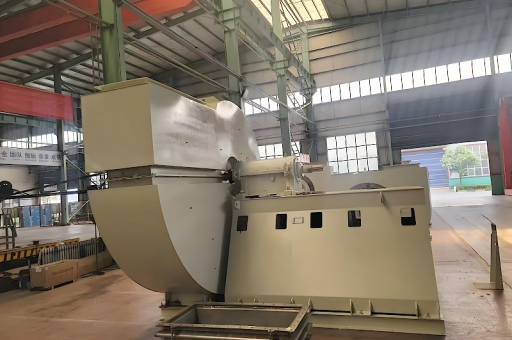
- Introduction: The Backbone of Industrial Ventilation
- What Defines a "Heavy Duty" Centrifugal Fan?
- Why Stainless Steel? Material Science and Corrosion Resistance
- Key Design Features and Engineering Specifications
- Critical Applications Across Industries
- Performance Metrics: CFM, Static Pressure, and Efficiency
- Maintenance Best Practices for Longevity
- Frequently Asked Questions (FAQ)
- Conclusion: Investing in the Right Fan
Here is a comprehensive, SEO-optimized article about Stainless Steel Heavy Duty Centrifugal Fans. It is designed to rank on Bing and Google, featuring a table of contents, FAQs, and in-depth technical details, all written in original, human-like English.
Article Title: The Ultimate Guide to Stainless Steel Heavy Duty Centrifugal Fans: Durability, Performance & Industrial Applications
Table of Contents (导读目录)
- Introduction: The Backbone of Industrial Ventilation
- What Defines a "Heavy Duty" Centrifugal Fan?
- Why Stainless Steel? Material Science and Corrosion Resistance
- Key Design Features and Engineering Specifications
- Critical Applications Across Industries
- Performance Metrics: CFM, Static Pressure, and Efficiency
- Maintenance Best Practices for Longevity
- Frequently Asked Questions (FAQ)
- Conclusion: Investing in the Right Fan
Introduction: The Backbone of Industrial Ventilation
In the demanding world of industrial manufacturing, chemical processing, and wastewater treatment, standard ventilation equipment often fails prematurely. The air moving through these systems is rarely clean; it is frequently laden with corrosive fumes, moisture, abrasive dust, or high temperatures. This is where the Stainless Steel Heavy Duty Centrifugal Fan becomes indispensable. Unlike standard carbon steel fans that rust or aluminum fans that fatigue, these specialized machines are engineered to survive—and thrive—in the harshest environments.
A heavy duty centrifugal fan is not merely a component; it is a critical safety and process control device. It ensures air quality, prevents the buildup of explosive gases, exhausts toxic fumes, and maintains temperature control. By utilizing stainless steel, manufacturers solve the dual problem of mechanical stress and chemical attack. This article will dissect the engineering, applications, and selection criteria for these powerful machines, providing a definitive resource for plant engineers, facility managers, and procurement specialists.
What Defines a "Heavy Duty" Centrifugal Fan?
The term "heavy duty" is often overused in the industrial sector. However, when applied to a stainless steel centrifugal fan, it signifies specific design and construction parameters that go beyond standard commercial units.
- Build Thickness: Heavy duty fans utilize thicker gauge stainless steel for the housing, wheel (impeller), and inlet cone. Standard fans might use 14-gauge steel; heavy duty models often use 10-gauge or even 7-gauge for larger units. This adds mass, dampens vibration, and resists structural fatigue.
- Shaft and Bearing Assembly: The shaft is typically oversized and made of high-strength stainless steel (like 304 or 316L) or a coated high-carbon steel to prevent corrosion. Bearings are industrial-rated (spherical roller bearings or pillow blocks), often designed for continuous operation with relubrication capabilities.
- Drive System: A heavy duty fan can handle higher horsepower loads. It is designed to operate via direct drive (efficiency) or belt drive (versatility in speed adjustment). The base is heavily constructed with I-beam supports to handle the torque.
- Wheel Design: The impeller is not a simple paddle. Common designs include:
- Backward Inclined (BI): Highest efficiency; good for clean, light dusting.
- Radial (or Paddlewheel): Excellent for handling sticky or heavy particulate; less efficient but very robust.
- Airfoil: The most efficient; typically used in high-volume, clean air applications.
- Backward Curve: A balance between BI and Radial.
Why Stainless Steel? Material Science and Corrosion Resistance
Why not galvanized steel or aluminum? The answer lies in the chemistry of the environment. Galvanized steel has a zinc coating that can be eroded by acidic fumes or chlorides. Aluminum is lightweight but pitts quickly in alkaline or saline environments. Stainless steel contains chromium, which forms a passive layer of chromium oxide on the surface. This layer is self-healing in the presence of oxygen, granting exceptional corrosion resistance.
- Grade 304 (1.4301): The standard for heavy duty fans. It offers excellent resistance to moisture, organic acids, and mild chemicals. It is ideal for food processing, kitchens, and general ventilation near marine environments.
- Grade 316 (1.4401) / 316L: Contains molybdenum, which provides superior resistance to chlorides (saltwater, bleach) and sulfuric acid. This is the material of choice for wastewater treatment plants, chemical processing, and pharmaceutical applications.
- Duplex Stainless Steel: For extreme environments (high temperatures combined with high chlorides), duplex grades (like 2205) offer double the yield strength and superior stress corrosion cracking resistance.
Comparison Table: Material Suitability
| Environment | Carbon Steel | Galvanized | Aluminum | SS 304 | SS 316L |
|---|---|---|---|---|---|
| Dry Air / HVAC | Good | Good | Good | Excellent | Excellent |
| High Humidity | Poor | Fair | Good | Excellent | Excellent |
| Chlorides (Bleach) | Poor | Poor | Poor | Fair | Excellent |
| Acid Fumes | Poor | Poor | Poor | Good | Excellent |
| Abrasive Dust | Fair | Good | Poor | Good | Good |
Key Design Features and Engineering Specifications
When specifying a stainless steel heavy duty centrifugal fan, look for these engineering hallmarks:
- Welded Construction: The housing should be continuously welded and ground smooth, not just spot-welded. This prevents crevice corrosion, where moisture and chemicals accumulate.
- Spark-Resistant Construction: For environments with explosive gases or combustible dust (NFPA compliance), the impeller and housing are designed to be non-sparking. This often involves using a stainless steel impeller rubbing against a stainless steel inlet cone, or coating the shaft.
- Drainable Housing: A bottom drain plug is essential for condensing environments where water and acid collect.
- Access Door: A tight-sealing, gasketed access door allows for inspection and cleaning without removing the fan from the ductwork.
- Variable Frequency Drive (VFD) Ready: Modern heavy duty fans are designed to be paired with a VFD for precise air volume control and energy savings.
Critical Applications Across Industries
The stainless steel heavy duty centrifugal fan is not a one-size-fits-all product. It is tailored to specific sectors:
- Wastewater Treatment: Moving off-gas from sludge digesters, aerating basins, and exhausting foul, corrosive air (hydrogen sulfide) from enclosed tanks. Grade 316 is mandatory.
- Chemical Processing: Exhausting chlorine gas, solvent vapors, and acid mists. Fans often require special coatings or Duplex alloys.
- Oil & Gas: Ventilation of hazardous locations (classified areas), fume extraction during tank cleaning, and moving air in offshore platforms where salt spray is relentless.
- Food & Beverage: Ventilating cooking areas, smokehouses (high heat), and washdown environments (sanitary design required). 304 SS is standard.
- Pharmaceuticals: Maintaining cleanroom pressure differentials and exhausting volatile active ingredients. Surface finish is critical to prevent particle generation.
- Marine & Offshore: Engine room ventilation, cargo hold exhaust. 316 SS is standard for ballast water treatment systems.
Performance Metrics: CFM, Static Pressure, and Efficiency
Selecting the wrong fan size leads to poor performance or wasted energy. You must understand three key terms:
- Airflow (CFM - Cubic Feet per Minute): The volume of air the fan moves. Required airflow is calculated based on the room volume (Air Changes per Hour) or process capture velocity.
- Static Pressure (SP - Inches w.g.): The resistance the fan must overcome (duct friction, filters, dampers). Heavy duty fans excel at generating high static pressure (10+ inches w.g.) compared to standard axial fans.
- Fan Efficiency: Fan efficiency is the ratio of air power output to mechanical power input. High-efficiency backward curved fans reduce energy costs significantly over the life of the equipment. A drop of 10% in efficiency can cost thousands of dollars per year in wasted electricity.
Pro Tip: Always add a 10-15% safety factor to the static pressure calculation for future ductwork modifications or filter loading.
Maintenance Best Practices for Longevity
Stainless steel is not "maintenance-free"; it is "maintenance-resistant." To keep your stainless steel heavy duty centrifugal fan running for 20+ years:
- Visual Inspection (Monthly): Listen for bearing noise (grinding or rumbling). Check belt tension (if belt-drive) for slippage. Look for vibration.
- Bearing Lubrication (Quarterly): Over-lubrication is as bad as under-lubrication. Use the manufacturer's specified grease (e.g., high-temperature lithium-based).
- Wheel Cleaning (As Needed): Buildup of material on the impeller blades causes imbalance, leading to bearing failure and vibration. Use a stainless steel putty knife (never a carbon steel scraper, which can contaminate the stainless steel).
- Passivation: If the fan has been welded on-site or heavily scratched, the chromium oxide layer may be damaged. A citric acid passivation treatment can restore corrosion resistance.
- Vibration Analysis: A baseline vibration reading should be taken upon installation and compared quarterly. Any significant change indicates imbalance or bearing wear.
Frequently Asked Questions (FAQ)
Q1: Can I use a standard galvanized fan in a mildly corrosive environment? A: Technically, yes, but it is not recommended. Galvanized coatings can fail within 18-24 months in high-humidity or acidic environments, leading to structural collapse and downtime. The upfront cost of a stainless steel fan is higher, but the Total Cost of Ownership (TCO) is much lower due to fewer replacements.
Q2: How do I know if I need Grade 304 or Grade 316 Stainless Steel? A: If your process involves salt, bleach, seawater, or strong acidic fumes (pH below 3), choose Grade 316L. For general humidity, food smoke, or mild exhaust, Grade 304 is sufficient. If unsure, request a chemical analysis of the air stream from your environmental department.
Q3: Is a belt-drive or direct-drive fan better for heavy duty use? A: It depends. Direct drive is more efficient and requires less maintenance (no belts to replace), but the speed is fixed to the motor. Belt drive allows you to adjust the fan speed (CFM) easily by changing pulleys, which is useful for variable process demands. Heavy duty applications with frequent speed changes now favor belt-drive with a VFD.
Q4: What causes a centrifugal fan to vibrate? A: The top three causes are: (1) Wheel imbalance (dirt buildup or wear), (2) Misalignment between the motor and fan shaft, and (3) Bearing failure (often due to contamination or lack of grease). A heavy duty fan base should always be mounted on vibration isolators.
Q5: How loud is a heavy duty centrifugal fan compared to an axial fan? A: Centrifugal fans generally produce more noise at a given CFM than axial fans because they work against higher pressure. However, the sound is often a lower frequency (rumble) compared to the high-pitched whine of an axial fan. Sound attenuators (silencers) can be installed on the inlet and outlet of heavy duty centrifugal fans.
Q6: Can the fan be repaired if the impeller corrodes? A: Usually, the impeller (wheel) is a replaceable component. Due to the high cost of stainless steel, most manufacturers offer replacement wheels for heavy duty fans. In extreme cases, a custom wheel can be fabricated. It is rarely economical to repair a corroded wheel.
Conclusion: Investing in the Right Fan
A Stainless Steel Heavy Duty Centrifugal Fan is more than a piece of equipment; it is an insurance policy for your facility's safety and operational continuity. While the initial investment is higher than standard fans, the return is realized through decades of reliable service, minimal downtime, and robust performance in the most challenging conditions.
When sourcing, always prioritize reputable manufacturers who provide detailed fan curves (performance data) and who understand the specific metallurgy requirements of your industry. Look for certifications like AMCA (Air Movement and Control Association) for performance verification and UL/ATEX for hazardous locations. A properly selected fan from a trusted supplier will be the quiet, invisible hero of your industrial ventilation system, working reliably day and night.
(End of Article)





