
This article's table of contents introduction:
- Table of Contents (目录导读)
- 1. Introduction: The Critical Role of High Pressure Centrifugal Fans in Metal Processing
- 2. Understanding ISO9001 Certification: What It Means for Industrial Fans
- 3. Technical Breakdown: High Pressure Centrifugal Fan Flue Gas Blower Architecture
- 4. Why Metal Industries Depend on Specialized Flue Gas Blowers
- 5. Key Performance Metrics: Pressure, Flow, Temperature, and Material Tolerance
- 6. Installation and Maintenance Best Practices for Longevity
- 7. Common Questions & Expert Answers (FAQ Section)
- 8. Conclusion: Future Trends and Selection Criteria for Metal Industry Blowers
Article Title:
Optimizing Metal Industry Operations: ISO9001 Industrial High Pressure Centrifugal Fan Flue Gas Blower for Enhanced Efficiency and Compliance
Table of Contents (目录导读)
- Introduction: The Critical Role of High Pressure Centrifugal Fans in Metal Processing
- Understanding ISO9001 Certification: What It Means for Industrial Fans
- Technical Breakdown: High Pressure Centrifugal Fan Flue Gas Blower Architecture
- Why Metal Industries Depend on Specialized Flue Gas Blowers
- Key Performance Metrics: Pressure, Flow, Temperature, and Material Tolerance
- Installation and Maintenance Best Practices for Longevity
- Common Questions & Expert Answers (FAQ Section)
- Conclusion: Future Trends and Selection Criteria for Metal Industry Blowers
Introduction: The Critical Role of High Pressure Centrifugal Fans in Metal Processing
In modern metal manufacturing—whether steel smelting, aluminum refining, copper casting, or zinc processing—the management of flue gases is not optional; it is a regulatory, safety, and operational necessity. High-temperature, particulate-laden, and often corrosive exhaust streams must be moved efficiently from furnaces, converters, and kilns to pollution control systems such as baghouses, scrubbers, or electrostatic precipitators.
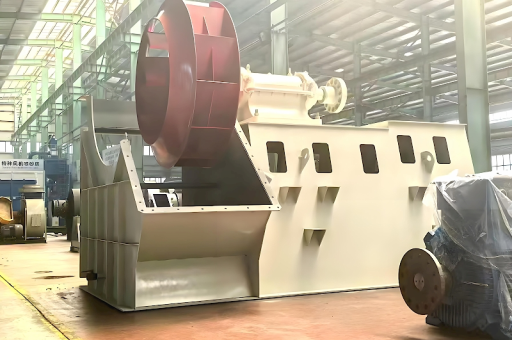
This is where the ISO9001 Industrial High Pressure Centrifugal Fan Flue Gas Blower enters the scene. Designed specifically for the demanding conditions of metal industries, these blowers are engineered to deliver consistent static pressure, high volumetric flow, and mechanical reliability under extreme thermal stress. Unlike general-purpose fans, this specialized equipment must withstand temperatures often exceeding 250°C (482°F) and handle abrasive dust without performance degradation.
The "ISO9001" designation is not merely a marketing badge; it signifies that the manufacturing facility adheres to internationally recognized quality management standards. For a flue gas blower used in continuous industrial processes, this certification assures consistent material selection, weld integrity, dynamic balance, and documentation traceability. As metal industries face tighter emission regulations and rising energy costs, investing in a high-efficiency, certified centrifugal fan becomes a strategic decision.
Understanding ISO9001 Certification: What It Means for Industrial Fans
ISO9001 is a quality management system (QMS) standard developed by the International Organization for Standardization. For industrial fan manufacturers, ISO9001 certification implies:
- Design Control: Every engineering calculation—from impeller aerodynamics to shaft critical speed analysis—is reviewed and validated.
- Supplier Management: Raw materials such as Q345R carbon steel, 316L stainless steel, or wear-resistant HARDOX plates are sourced from verified suppliers.
- Production Traceability: Each fan component, including the housing, impeller, bearings, and shaft seals, carries a unique batch number for recall or maintenance tracking.
- Testing Protocols: After assembly, every ISO9001 Industrial High Pressure Centrifugal Fan Flue Gas Blower undergoes a performance test (per AMCA 210 or ISO 5801 standards) to verify flow, pressure, power consumption, and vibration levels.
For a metal industry buyer, this translates to lower field failure rates, predictable performance curves, and easier compliance with local environmental authority audits. Many global procurement contracts now mandate ISO9001-certified equipment as a baseline requirement.
Technical Breakdown: High Pressure Centrifugal Fan Flue Gas Blower Architecture
To understand why this fan excels in metal industry applications, let us examine its core components:
- Impeller Design: Typically backward-curved or radial-tip blades. Backward-curved impellers offer higher efficiency (up to 85%) and non-overloading power characteristics, which prevents motor burnout if the system resistance drops unexpectedly. For extremely abrasive gases, radial-tip designs with replaceable wear liners are preferred.
- Housing (Casing): Volute-shaped to convert kinetic energy into static pressure efficiently. Heavy-gauge steel (8mm to 16mm thickness) with internal stiffeners reduces vibration. Access doors are provided for inspection and debris removal.
- Shaft and Bearing Assembly: Overhung or double-support configurations. For high-temperature flue gas, water-cooled or heat-shielded bearing housings are employed. Grease-lubricated or oil-mist lubrication systems extend bearing life beyond 50,000 operating hours.
- Drive System: Direct-coupled (cost-effective for fixed speed) or belt-driven (flexible for system tuning). Variable frequency drives (VFDs) are increasingly common for energy savings when gas flow fluctuates.
- Shaft Seal: Packing gland seals or mechanical seals prevent fugitive emissions. For toxic flue gases, double mechanical seals with nitrogen purge are recommended.
The High Pressure aspect is defined by a static pressure rating typically between 2,000 Pa (8 inches w.g.) and 15,000 Pa (60 inches w.g.), with air volumes ranging from 10,000 m³/h to 1,000,000 m³/h. This makes it suitable for overcoming the high resistance of bag filters, ductwork, and scrubbers in metal plants.
Why Metal Industries Depend on Specialized Flue Gas Blowers
Metal extraction and refining processes produce flue gases that are fundamentally different from those in power plants or chemical factories:
| Parameter | Typical Value (Metal Industry) | Why It Matters |
|---|---|---|
| Gas Temperature | 150°C – 400°C (some peaks to 600°C) | Standard fans fail rapidly; requires heat-treated alloy impellers |
| Particulate Load | 2 – 50 g/Nm³ (fine metal oxides) | Erosion of blade leading edges; requires hardfacing or ceramic coating |
| Gas Composition | CO, SO₂, NOx, HCl, HF | Corrosion risk; demands stainless steel or protective paint systems |
| Continuous Duty | 24/7 for months | Fatigue failure risk; requires robust bearing and rotor design |
A Flue Gas Blower designed for metal industries must therefore integrate erosion-resistant coatings (such as tungsten carbide spray), high-temperature shaft seals (like carbon ring or labyrinth), and cooling jackets for bearing housings. The ISO9001 certification ensures that these customizations are documented and quality-checked.
For example, in an electric arc furnace (EAF) steel plant, the fume extraction system must handle sudden pressure surges when the furnace tilts. The centrifugal fan’s high-pressure reserve (operating point near peak efficiency but with stall margin) prevents system collapse and maintains workplace safety.
Key Performance Metrics: Pressure, Flow, Temperature, and Material Tolerance
When selecting an ISO9001 Industrial High Pressure Centrifugal Fan Flue Gas Blower, buyers should evaluate four critical performance metrics:
- Total Pressure (Pt): The sum of static and dynamic pressure. For metal flue gas systems, a target static pressure of 3,000 to 8,000 Pa is common. A fan with a flat pressure curve (steep slope) is preferable, as it maintains stable flow despite filter loading.
- Flow Rate (Q): Measured in m³/h or CFM. Always specify flow at actual inlet conditions (temperature, altitude, and humidity). Oversizing leads to energy waste; undersizing causes poor fume capture.
- Operating Temperature: The fan’s maximum continuous temperature rating. For occasional temperature spikes (e.g., during furnace startup), a fan with a 20% temperature margin is recommended. Material selection changes at different thresholds:
- Below 200°C: Carbon steel with epoxy paint.
- 200°C – 350°C: Corten steel or stainless steel 304.
- Above 350°C: Hastelloy or Inconel alloys (or external cooling air dilution).
- Erosion Resistance: Measured by blade tip velocity and particle impact angle. Limiting impeller tip speed to 70 m/s for heavy dust conditions reduces wear. Alternatively, using wearable blade inserts (like AR400 steel) increases replacement intervals.
A reputable ISO9001 manufacturer will provide fan performance curves tested per AMCA Standard 210, along with a sound power level guarantee (typically < 90 dBA for metal fan installations with silencers).
Installation and Maintenance Best Practices for Longevity
Even the best-designed Flue Gas Blower can fail prematurely without proper installation. Key guidelines include:
- Foundation and Isolation: The fan base should be mounted on a reinforced concrete inertia block to dampen vibration. Flexible connectors at both inlet and outlet prevent ductwork stress. Spring isolators are recommended for floor-mounted units.
- Ductwork Design: Inlet and outlet transitions should be gradual (≤15° expansion angle) to avoid flow separation. A straight run of at least 3 duct diameters before the fan inlet is critical.
- Moisture Management: In metal plants, flue gas can cool below acid dew point, causing sulfuric acid condensation. Installing drain ports at the fan casing low point and using corrosion-resistant coatings (e.g., glass flake lining) prevents structural damage.
- Preventive Maintenance Schedule:
- Weekly: Check vibration levels (ISO 10816-3 class III limits) and bearing temperatures (max 90°C for grease).
- Monthly: Inspect impeller for erosion or dust buildup; clean access doors.
- Quarterly: Analyze oil samples for metal wear debris.
- Annually: Re-balance impeller; replace shaft seals if leakage is observed.
Many ISO9001 fan OEMs offer on-site balancing service and remote monitoring systems (via vibration sensors and thermocouples) that integrate with plant SCADA.
Common Questions & Expert Answers (FAQ Section)
Q1: Can a standard centrifugal fan be used for metal industry flue gas?
A: Generally, no. Standard fans lack the high-temperature seals, erosion-resistant impeller materials, and heavy-duty bearings required for continuous operation. The initial cost savings will be offset by frequent failures and downtime. An ISO9001 Industrial High Pressure Centrifugal Fan Flue Gas Blower is engineered specifically for this harsh environment.
Q2: What is the typical energy cost for running a 150 kW flue gas blower continuously?
A: Assuming 24/7 operation, 80% motor efficiency, and an electricity price of $0.12/kWh, the annual cost is approximately 150 kW × 8,760 hours × $0.12 = $157,680. High-efficiency fan designs (e.g., backward-curved impellers) can reduce power consumption by 10–15%, translating to significant savings.
Q3: How does ISO9001 certification affect delivery time?
A: ISO9001 manufacturers typically maintain better inventory control and production scheduling. Lead times for custom flue gas blowers are 8–16 weeks, compared to 20+ weeks for non-certified shops. The certification also ensures that all quality records are submitted with the equipment for site acceptance.
Q4: What happens if the flue gas contains hydrogen chloride (HCl) gas?
A: HCl is extremely corrosive, especially when combined with moisture. The fan housing should be made from 316L stainless steel or lined with PVDF (polyvinylidene fluoride). The impeller material must be Hastelloy C-276 or coated with corrosion-resistant ceramic. ISO9001 documentation will include material certificates (EN 10204 3.1) to verify alloy composition.
Q5: Is a variable frequency drive (VFD) recommended for metal flue gas blowers?
A: Yes, especially if the furnace load varies. VFDs reduce energy consumption and allow gradual startup to avoid motor trips. However, ensure the VFD is rated for the fan motor’s locked-rotor current, and use a sinusoidal filter to protect motor windings from high-frequency harmonics.
Conclusion: Future Trends and Selection Criteria for Metal Industry Blowers
As metal industries worldwide commit to decarbonization and stricter air quality standards, the role of ISO9001 Industrial High Pressure Centrifugal Fan Flue Gas Blower will continue to evolve. Key trends include:
- Smart Fans with IoT sensors: Real-time vibration, temperature, and flow data transmitted to cloud platforms for predictive maintenance.
- Hybrid Cooling Systems: Air-cooled bearing housings combined with water spray for peak temperature events.
- Modular Designs: Allowing quick replacement of impeller or casing segments to reduce plant downtime.
- Carbon Capture Compatibility: Fans designed to handle CO₂-rich recirculated gas with minimal pressure loss.
When selecting a fan for your facility, prioritize ISO9001 certification as a non-negotiable requirement. Collaborate with the manufacturer to define a clear performance specification sheet (including gas composition, temperature extremes, and altitude correction). Do not overlook spare parts availability—a critical impeller or bearing assembly should be stocked locally.
A well-chosen High Pressure Centrifugal Fan is more than an exhaust component; it is a profit center that protects equipment, ensures regulatory compliance, and reduces energy costs. In the competitive metal industry, that makes it an asset worth investing in.
For technical consultation, performance data sheets, or to request a quote on ISO9001 flue gas blowers for your metal processing line, contact us at [fan] with your project parameters.





