
This article's table of contents introduction:
- What is the Application?
- Why "Anti-Abrasive Oil Bath Lubrication"?
- Key Features of such a Fan (The "Anti-Abrasive" Fan Itself):
- Common Problems & Maintenance Tips
- In Summary
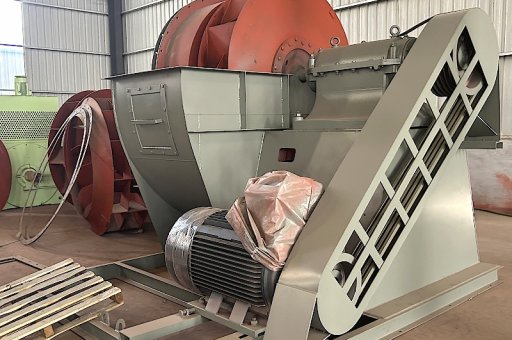
It sounds like you are describing a specific piece of industrial equipment: a dust collector fan (or induced draft fan) used on a foundry furnace, which utilizes an oil bath lubrication system that is designed to be anti-abrasive.
This is a critical component for handling the harsh environment of a foundry. Here is a breakdown of what you are likely referring to, why the specific design is important, and common considerations.
What is the Application?
- The Environment: A foundry furnace (electric arc, induction, or cupola) produces vast amounts of hot, abrasive dust and fumes (silica, metal oxides, slag particles).
- The System: A dust collector (baghouse or cartridge) uses a high-pressure fan to pull these fumes from the furnace, through ductwork, into the filter media.
- The Fan: This is the "heart" of the dust collection system. It must move a large volume of air against significant static pressure (resistance from filters and ductwork).
Why "Anti-Abrasive Oil Bath Lubrication"?
This is the key engineering challenge. The fan's bearings are its most vulnerable point.
- The Threat: The environment is filled with fine, hard, abrasive dust. If this dust penetrates the bearing housing, it will mix with the grease or oil, turning it into a lapping compound. This grinds down the bearing races and balls, leading to rapid failure (vibration, noise, seizure).
- The Solution - Oil Bath with Anti-Abrasive Properties:
- Oil Bath: The bearing housing is partially filled with oil. The rotating bearing elements splash this oil around, providing continuous lubrication, cooling, and a washing action.
- Anti-Abrasive Design:
- Sealed Housings: The bearing housing is engineered with superior seals (e.g., labyrinth seals, V-ring seals) to physically prevent dust entry.
- Positive Pressure: Some systems use a small bleed of clean air into the bearing housing to create a positive pressure that pushes dust away from the seals.
- Specialized Oil: The oil itself is formulated. It has high viscosity and tackiness to cling to metal surfaces, and it contains anti-wear (AW) and extreme pressure (EP) additives. This creates a robust film that can handle the shock loads and contamination.
- Comparison to Grease Lubrication: While grease is common, in a severe foundry application, oil bath is often preferred because:
- It is better at cooling the bearing.
- It is better at flushing out any contamination that manages to get past the seals (allowing it to settle in the oil sump rather than grinding in the bearing).
- It is easier to monitor (sight glass) for contamination (e.g., oil turning grey or black) to indicate a seal failure.
Key Features of such a Fan (The "Anti-Abrasive" Fan Itself):
To handle the dust, the fan wheel is also specially designed for abrasion resistance.
- Fan Type: Typically a radial (or centrifugal) fan with a radial-blade or paddle-wheel design. These are less efficient than airfoil fans but are much more robust and better at handling dust loading.
- Wheel Construction:
- Wear Plates/Liners: The fan blades and housing often have replaceable, hardened steel or ceramic liners on the front side of the blades and the housing scroll. This is the "anti-abrasive" part of the fan hardware.
- Thicker Materials: The wheel is made from thicker (10-12 ga or more) structural steel or abrasion-resistant steel (e.g., AR400).
- Drive: Usually direct drive (shaft-mounted) to avoid belt slippage and maintenance in the harsh environment, though belt drive can be used for speed adjustment.
- Motor: A high-torque, often inverter-duty motor capable of variable speed control for process optimization.
Common Problems & Maintenance Tips
- Bearing Failure: The #1 problem. Monitor the oil bath sight glass weekly. Look for:
- Emulsified (milky) oil: Water or steam ingress.
- Gritty/Dark oil: Dust ingress (seal failure).
- Low oil level: Leak or evaporation.
- Change oil frequently (every 3-6 months depending on environment) as per manufacturer specs.
- Wheel Imbalance: Abrasive material erodes the fan blades unevenly. This causes severe vibration. The wheel is designed to be balanced, but wear erodes it.
- Solution: Schedule periodic wheel inspections (every 6-12 months) to check for wear. Replace worn blades or wear liners before vibration becomes critical.
- Vibration Analysis: Use a vibration monitoring system. A sudden increase in vibration at the bearing frequency is a clear sign of bearing wear. A rise in the blade pass frequency indicates wheel wear or material buildup.
- Shaft Seal Wear: The shaft seal where the shaft passes through the housing is another dust entry point. A failed seal allows dust to travel along the shaft and into the bearing housing on the motor side. Inspect and replace these seals regularly.
In Summary
The "Foundry Furnace Anti Abrasive Oil Bath Lubrication Dust Collector Fan" is a highly specialized, robust piece of rotating equipment. Its success depends on three things:
- Abrasion-resistant wheel and housing (to survive the dust).
- A robust oil bath bearing system with excellent seals (to protect the rotating heart of the fan).
- A strict preventive maintenance schedule (oil changes, vibration monitoring, and seal/wheel inspection).
If you are looking to specify or replace this fan, you will need to provide the foundry's air volume (CFM), static pressure (inches wg), and gas temperature to a fan manufacturer like Robinson Fans, New York Blower, Howden, or Cincinnati Fan, who specialize in severe-duty industrial fans.





