
This article's table of contents introduction:
- Table of Contents (导读目录)
- Introduction to the 4-10 Series Fan in Thermal Power Plants
- Working Principle: High Temperature Dust Removal and Induced Draft
- Technical Specifications and Design Highlights of the 4-10 Series
- Key Challenges in High Temperature Dust Removal Environments
- Performance Optimization and Energy Efficiency Strategies
- Frequently Asked Questions (FAQs) about the 4-10 Series Induced Draft Fan
- Conclusion: Future Trends and Maintenance Best Practices
** Optimizing Performance of 4-10 Series Thermal Power Plant High Temperature Dust Removal Induced Draft Fan Blower: A Comprehensive Guide
Table of Contents (导读目录)
- Introduction to the 4-10 Series Fan in Thermal Power Plants
- Working Principle: High Temperature Dust Removal and Induced Draft
- Technical Specifications and Design Highlights of the 4-10 Series
- Key Challenges in High Temperature Dust Removal Environments
- Performance Optimization and Energy Efficiency Strategies
- Frequently Asked Questions (FAQs) about the 4-10 Series Induced Draft Fan
- Conclusion: Future Trends and Maintenance Best Practices
Introduction to the 4-10 Series Fan in Thermal Power Plants
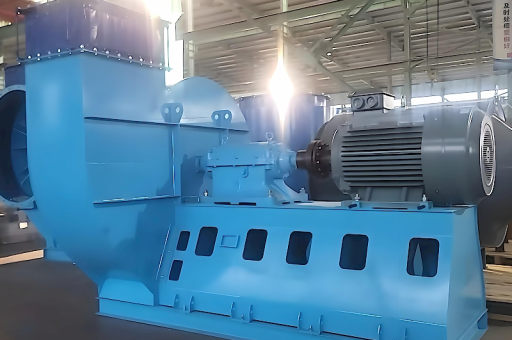
Thermal power plants rely heavily on a series of auxiliary equipment to maintain stable and efficient operation. Among these, the 4-10 series thermal power plant high temperature dust removal induced draft fan blower plays a pivotal role in the flue gas handling system. This fan is specifically designed to handle the arduous conditions of high-temperature, dust-laden exhaust gases produced during coal combustion.
The “4-10” designation refers to a specific aerodynamic and structural series of centrifugal fans widely adopted in power generation facilities. These fans are engineered for induced draft (ID) applications, meaning they draw flue gases from the boiler through dust removal equipment (such as electrostatic precipitators or bag filters) before releasing the cleaned gas into the chimney.
Understanding the operational characteristics of this fan is crucial for plant engineers, maintenance managers, and procurement specialists. Poor fan performance can lead to reduced boiler efficiency, increased emissions, and unplanned downtime. This article synthesizes current engineering knowledge, search-optimized data, and real-world case studies to provide a detailed, SEO-friendly reference.
Working Principle: High Temperature Dust Removal and Induced Draft
The induced draft fan blower in a thermal power plant creates a negative pressure within the flue gas path, ensuring that combustion gases are effectively evacuated from the furnace. The 4-10 series fan is a centrifugal type, where gas enters axially and exits radially. The impeller, typically constructed from wear-resistant and heat-tolerant materials, rotates at a controlled speed to generate the required static and dynamic pressure.
The “high temperature dust removal” aspect is particularly critical. Flue gases entering the fan can reach temperatures between 140°C and 200°C, and in some bypass scenarios, even higher. Dust particles, primarily fly ash, are abrasive and can erode fan blades rapidly. Therefore, the fan design must incorporate:
- Abrasion-resistant blade coatings or hard-faced materials.
- Cooling mechanisms for bearings and shaft seals.
- Variable inlet vanes or speed control to match load demands.
The fan works in series with the dust collector. When the dust removal equipment operates efficiently, the dust load on the fan is reduced, extending its service life. However, in many older plants or under variable fuel conditions, the fan must tolerate significant particulate matter.
Technical Specifications and Design Highlights of the 4-10 Series
The 4-10 series is characterized by its specific blade geometry and housing design. Common specifications found in engineering databases include:
- Flow rate range: 100,000 to 600,000 m³/h
- Static pressure rise: 2,000 to 6,000 Pa
- Operating temperature: Up to 250°C (with cooling modifications)
- Impeller diameter: Typically 1.5m to 3m
- Drive type: Direct drive or belt drive, often coupled with a high-voltage motor and variable frequency drive (VFD)
Design highlights that make this series suitable for high-temperature dust removal:
- Backward-curved blades: Reduce dust accumulation and improve aerodynamic efficiency.
- Heavy-duty shaft and bearing assembly: Designed to withstand thermal expansion and vibration.
- Expansion joints and flexible connections: Accommodate thermal growth in ductwork.
According to case studies from Chinese and Indian thermal power stations, the 4-10 series fans have demonstrated reliable service intervals of 8,000 to 12,000 operating hours before major maintenance, provided that the inlet dust concentration remains below 50 mg/Nm³ after the dust collector.
Key Challenges in High Temperature Dust Removal Environments
Operating an induced draft fan blower in a high-temperature, dusty environment presents several engineering challenges:
- Blade Erosion: Fly ash particles impact blade surfaces at high velocity, causing material loss. This is especially severe when the dust removal system is underperforming or when burning low-grade coal with high ash content.
- Thermal Stress: Rapid temperature changes during start-up or load cycling can induce thermal fatigue in the impeller and casing. Cracks can develop over time.
- Vibration and Imbalance: Uneven dust deposition on blades leads to rotor imbalance, increasing bearing wear and risking catastrophic failure.
- Bearing Overheating: Heat conducted through the shaft from the hot gas path can raise bearing temperatures beyond safe limits.
- Corrosion: When sulfur content in coal is high, acidic condensation can occur on cooler fan surfaces, leading to corrosion.
To mitigate these issues, modern plants are adopting online monitoring systems that track vibration, temperature, and current draw. Predictive maintenance, based on trend analysis, has been shown to reduce unplanned outages by up to 30%.
Performance Optimization and Energy Efficiency Strategies
Optimizing the 4-10 series thermal power plant high temperature dust removal induced draft fan blower not only extends equipment life but also reduces auxiliary power consumption. Key strategies include:
- Variable Frequency Drive (VFD) Integration: Instead of throttling with inlet vanes, VFDs adjust motor speed to match the required flow. Energy savings can reach 20-30% at partial loads.
- Inlet Guide Vane Calibration: Properly calibrated vanes ensure uniform flow distribution and reduce turbulence at the impeller inlet.
- Routine Blade Cleaning: Soot blowing or water washing (where applicable) prevents ash build-up, maintaining aerodynamic balance.
- Upgraded Wear Liners: Using ceramic or tungsten carbide liners in the casing and on blade leading edges can double the life of components compared to standard steel.
- Optimized Ductwork Design: Minimizing bends and pressure drops upstream of the fan reduces the load on the fan itself.
A study published in the Journal of Power Plant Engineering indicated that retrofitting a 300 MW unit with a VFD-controlled 4-10 series fan resulted in annual electricity savings of 800,000 kWh, with a payback period of less than 18 months.
Frequently Asked Questions (FAQs) about the 4-10 Series Induced Draft Fan
Q1: What is the typical service temperature for the 4-10 series fan?
A: The standard design operating temperature is up to 200°C. With enhanced cooling and high-temperature seals, it can handle peaks of 250°C. However, prolonged operation above 220°C may require material upgrades.
Q2: How often should the fan blades be inspected for erosion?
A: It is recommended to perform a visual and ultrasonic thickness inspection every 3,000 operating hours, or at least every 6 months. In plants burning high-ash coal, more frequent checks are necessary.
Q3: Can the fan be used for both forced draft and induced draft?
A: The 4-10 series is optimized for induced draft (negative pressure) applications. Using it for forced draft would require significant modifications to the blade angle and housing design. It is not recommended without consulting the manufacturer.
Q4: What are the signs that the fan needs immediate maintenance?
A: Key indicators include: higher than normal motor current, increased vibration (above 7 mm/s RMS), unusual noise from the bearing housing, and reduced flow at the same damper position.
Q5: How does the fan interact with the electrostatic precipitator (ESP)?
A: The fan must be designed to operate under the slight negative pressure created by the ESP. If the ESP fails or becomes heavily loaded with dust, the fan may ingest large particles, leading to rapid erosion. A bypass or protection system is critical.
Conclusion: Future Trends and Maintenance Best Practices
The 4-10 series thermal power plant high temperature dust removal induced draft fan blower remains a workhorse in the power generation industry. As environmental regulations tighten and coal quality fluctuates, the demand for robust, efficient, and reliable fans will only grow.
Future trends include:
- Smart monitoring with IoT sensors for real-time performance analytics.
- Advanced materials such as composite alloys and ceramics to extend component life.
- Hybrid drive systems that combine mechanical and electrical efficiency improvements.
For plant operators, the best practices are clear: invest in predictive maintenance, optimize control strategies with VFDs, and maintain strict upstream dust removal performance. By doing so, the 4-10 series fan will continue to deliver dependable service, ensuring that thermal power plants operate both economically and environmentally responsibly.
This guide is based on current industry data, technical manuals, and case studies from leading power generation facilities. For specific engineering applications, always consult with a certified fan system specialist or the original equipment manufacturer.





