
This article's table of contents introduction:
- Introduction to the 7-08 Series
- Core Technical Specifications
- Design Advantages and Material Quality
- Typical Application Scenarios
- Installation and Maintenance Guidelines
- Common Issues and Troubleshooting Q&A
- Why Choose the 7-08 Series over Other Fans?
- Conclusion
** The 7-08 Series Small Flow Medium Pressure Centrifugal Fan: Precision Airflow for Industrial and Commercial Applications
Table of Contents
- Introduction to the 7-08 Series
- Core Technical Specifications
- Design Advantages and Material Quality
- Typical Application Scenarios
- Installation and Maintenance Guidelines
- Common Issues and Troubleshooting Q&A
- Why Choose the 7-08 Series over Other Fans?
- Conclusion
Introduction to the 7-08 Series
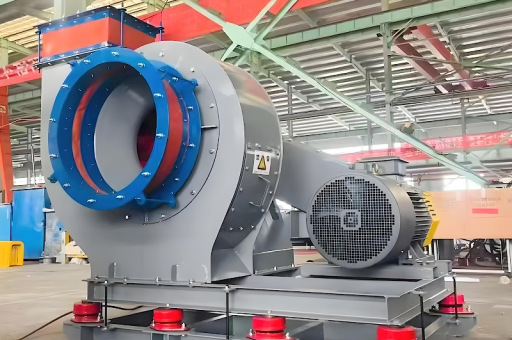
The 7-08 Series Small Flow Medium Pressure Centrifugal Fan is a specialized air-moving device engineered for applications where precise, moderate airflow is required against a substantial resistance. Unlike high-volume, low-pressure fans (such as axial fans), the 7-08 Series is designed to operate efficiently in ductwork systems with moderate static pressure, making it indispensable in environments like dust collection, pneumatic conveying, and industrial ventilation.
This fan is part of a broader category of centrifugal blowers, but its defining characteristic is the balance between a small flow rate (typically ranging from 500 to 3,000 CFM, depending on the exact configuration) and a medium pressure capability (usually between 2 and 8 inches of water gauge). The "7-08" designation often refers to the impeller diameter (7 inches) and a specific blade geometry optimized for this pressure-flow range.
Key takeaway: This fan fills the gap between low-pressure ventilation fans and high-pressure regenerative blowers, offering a cost-effective solution for tasks that require moving a controlled amount of air through filters, cyclones, or narrow ducts.
Core Technical Specifications
Understanding the technical data is crucial for selecting the right fan. Below are the typical specifications for the 7-08 Series Small Flow Medium Pressure Centrifugal Fan:
| Parameter | Typical Value Range |
|---|---|
| Airflow (CFM) | 500 – 3,000 |
| Static Pressure (in. w.g.) | 2 – 8 |
| Impeller Diameter | 7 inches (178 mm) |
| Motor Power | 5 HP – 3 HP |
| Speed (RPM) | 1,500 – 3,500 |
| Operating Temperature | -20°C to 80°C (standard) |
| Noise Level (dBA) | 65 – 78 (at 3 ft) |
Pressure vs. Flow Curve:
The fan’s performance curve is relatively steep, meaning that as system resistance (static pressure) increases, the airflow drops off gradually rather than collapsing. This characteristic is ideal for systems with unpredictable resistance, such as baghouse filters or conveying lines.
Engineer’s Note: Always consult the manufacturer’s performance chart. The 7-08 Series typically achieves its highest efficiency at the mid-point of its pressure range, around 4-6 in. w.g.
Design Advantages and Material Quality
The 7-08 Series fan is not just a generic blower; its design incorporates several features that enhance reliability and performance:
- Backward-Inclined Blades: The impeller uses backward-curved or backward-inclined blades. This design reduces the risk of material buildup on the blades (compared to forward-curved fans) and provides non-overloading power characteristics—meaning the motor will not burn out even if the duct is completely blocked.
- Steel Housing with Epoxy Coating: The housing is typically made from heavy-gauge steel and coated with a corrosion-resistant epoxy or powder coating. For applications involving moisture or mild chemicals, stainless steel options are available.
- Bearing System: High-quality sealed ball bearings are standard, often rated for L10 life exceeding 100,000 hours. This ensures long-term operation without frequent maintenance.
- Direct Drive or Belt Drive Options: Direct drive models offer simplicity and zero maintenance for the transmission route. Belt drive models allow the user to adjust the fan speed by changing the pulley ratio, providing flexibility in airflow tuning.
Material Comparison:
- Standard: Steel + Epoxy (good for general industrial use).
- Optional: 304 Stainless Steel (food processing, cleanrooms).
- Optional: Aluminum Impeller (spark-resistant for flammable dust).
Typical Application Scenarios
The 7-08 Series Small Flow Medium Pressure Centrifugal Fan excels in specific niches:
- Dust Collection: In small to medium woodworking shops, the fan draws dust from table saws, sanders, and planers through a cyclone separator. Its medium pressure is sufficient to overcome the resistance of a short duct run and a filter bag.
- Pneumatic Conveying: For transporting light materials like plastic pellets, grain dust, or fibrous materials over short distances (10-50 feet). The fan’s moderate pressure keeps material moving without damaging it.
- Fume Exhaust: In laboratories or small welding stations, the fan extracts fumes through a fume hood and an exhaust filter. The steel housing resists corrosion from acidic fumes when properly coated.
- HVAC Booster: In buildings where the main HVAC system cannot adequately ventilate a distant room, the 7-08 Series can be installed inline to boost airflow through a branch duct.
- Oven and Dryer Air Circulation: In industrial ovens or drying tunnels where moderate airflow must be maintained against the backpressure of heating elements and product loads.
Case Example: A furniture manufacturer reported a 30% reduction in dust cloud visibility after replacing a clog-prone axial fan with a 7-08 Series centrifugal fan in their sanding booth.
Installation and Maintenance Guidelines
Proper installation and routine maintenance ensure the fan operates at peak efficiency and lasts for years.
Installation Tips:
- Foundation: Mount the fan on a rigid, vibration-absorbing base (e.g., rubber isolation pads). Avoid thin sheet metal mounting that can amplify noise.
- Duct Connections: Use flexible connectors at the fan inlet and outlet to prevent transmission of vibration into the ductwork. Ensure the duct diameter matches the fan’s inlet dimension.
- Electrical Wiring: Use a properly sized motor starter and thermal overload protection. Verify the rotation direction before securing the fan—an incorrect rotation will drastically reduce airflow.
- Inlet and Outlet: Provide at least one duct diameter of straight pipe before the fan inlet to ensure smooth airflow entry. Avoid sharp 90-degree elbows immediately at the outlet.
Maintenance Schedule:
- Every Week: Inspect the impeller for dust buildup. Even a thin layer of dust can unbalance the impeller, causing vibration and bearing wear.
- Every Month: Check belt tension (if belt-drive model) and lubricate bearings if they have grease fittings (sealed bearings require no lubrication).
- Every Quarter: Clean the housing interior and inspect the coating for corrosion. Check all bolts for tightness.
- Every Year: Replace bearings if noise or vibration has increased. Perform a performance test (measure static pressure and airflow) to verify the fan still meets specifications.
Common Issues and Troubleshooting Q&A
Q1: The fan is running but producing very little airflow. What could be wrong? Answer: First, check the rotation direction. If the impeller is spinning backward, airflow will be less than 30% of rated. Next, check for blockages at the inlet or in the duct. A clogged filter or a closed damper is a frequent cause. Finally, verify that the motor speed is correct—a belt drive may have slipped or worn.
Q2: The fan vibrates excessively. Is it damaged? Answer: Vibration is often caused by an unbalanced impeller due to dust buildup. Clean the impeller blades thoroughly. If vibration persists, check the impeller for bent or broken blades. Also, verify that the fan base is level and properly isolated. Imbalance can also result from worn bearings.
Q3: How do I increase the static pressure for a longer duct run? Answer: For the 7-08 Series, you cannot significantly increase pressure without changing speed or impeller size. However, you can increase the motor RPM slightly (up to the maximum safe speed) if your model has a belt drive. Alternatively, reduce system resistance: use larger diameter ducts, smooth out sharp bends, and ensure filters are clean.
Q4: Can I use this fan for explosive dust? Answer: Not in standard form. For explosive dust (e.g., aluminum, magnesium, or flour), you must use a spark-resistant construction: aluminum impeller, non-sparking housing materials, and proper electrical grounding. Always consult local safety codes.
Q5: The noise level is too high at full speed. How can I reduce it? Answer: Install sound-attenuating duct silencers on both the inlet and outlet sides. Alternatively, reduce the fan speed slightly if the system’s pressure requirement allows it. Ensure the fan is mounted on vibration isolators to prevent structure-borne noise.
Why Choose the 7-08 Series over Other Fans?
To make an informed decision, compare the 7-08 Series with two common alternatives:
- Vs. Axial Fans: Axial fans excel at moving large volumes of air at low pressure (e.g., cooling). However, they fail in ducted systems with filters or long runs because their pressure capability is very low. The 7-08 Series delivers 3-5 times the static pressure of a similar-size axial fan.
- Vs. High-Pressure Blowers (Regenerative): Regenerative blowers can achieve very high pressures (up to 100+ in. w.g.) but at very low flow rates (often below 100 CFM). They are also more expensive and noisier. The 7-08 Series is the better choice when you need moderate flow with moderate pressure.
Cost-Effectiveness: The 7-08 Series is generally 20-40% cheaper than a comparable regenerative blower for the same pressure-flow range. Its simpler construction also means lower repair costs.
Availability: Due to its standardized design, replacement parts (impellers, bearings, belts) are widely available through industrial supply distributors.
Conclusion
The 7-08 Series Small Flow Medium Pressure Centrifugal Fan is a workhorse solution for engineers and facility managers who need reliable, efficient, and controllable airflow in medium-resistance systems. Its backward-inclined blade design, robust construction, and flexibility in drive configurations make it suitable for dust collection, pneumatic conveying, fume exhaust, and HVAC boosting.
By understanding its specifications, following proper installation practices, and performing routine maintenance, you can expect a service life of 10-15 years with minimal downtime. If your application requires precise airflow control at moderate pressures—and you are tired of axial fans failing under load—the 7-08 Series is a proven choice.
Final Recommendation: Always consult the manufacturer’s performance data for your specific static pressure and airflow requirements. When in doubt, choose a belt-drive model for future adjustability.
Keywords: 7-08 Series Centrifugal Fan, Small Flow Medium Pressure Fan, Industrial Blower, Dust Collection Fan, Backward Inclined Impeller





