
This article's table of contents introduction:
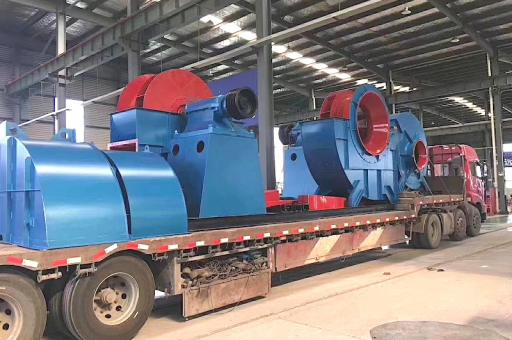
- Introduction: The Critical Role of Industrial Fans in Cement Manufacturing
- What is a Heavy Duty Stainless Steel Efficient Energy Saving Centrifugal Blower Fan for Cement Plant?
- Key Technical Specifications and Material Advantages
- How Energy Efficiency is Achieved in Modern Centrifugal Blowers
- Installation and Maintenance Best Practices for Cement Plants
- Frequently Asked Questions (FAQ)
- Conclusion: Why Your Cement Plant Needs This Upgrade
** Maximizing Cement Plant Productivity with Heavy Duty Stainless Steel Efficient Energy Saving Centrifugal Blower Fans
Table of Contents
- Introduction: The Critical Role of Industrial Fans in Cement Manufacturing
- What is a Heavy Duty Stainless Steel Efficient Energy Saving Centrifugal Blower Fan?
- Key Technical Specifications and Material Advantages
- How Energy Efficiency is Achieved in Modern Centrifugal Blowers
- Installation and Maintenance Best Practices for Cement Plants
- Frequently Asked Questions (FAQ)
- Conclusion: Why Your Cement Plant Needs This Upgrade
Introduction: The Critical Role of Industrial Fans in Cement Manufacturing
Cement production is one of the most energy-intensive industrial processes in the world. From raw material grinding to clinker cooling and dust collection, every stage relies on powerful air movement systems. Among the most vital components is the heavy duty stainless steel efficient energy saving centrifugal blower fan for cement plant. This equipment is not just a fan; it is a core element that directly impacts operational costs, equipment longevity, and environmental compliance.
Traditional centrifugal fans often suffer from corrosion, wear, and high electricity consumption due to outdated design and materials. In contrast, modern heavy duty stainless steel variants are engineered to withstand abrasive dust, high temperatures, and continuous operation in harsh environments while significantly reducing power usage. The shift toward energy-efficient blowers is driven by both economic pressure and stricter emission regulations faced by cement producers worldwide.
This guide will provide a comprehensive, SEO-optimized analysis of this crucial equipment, covering its construction, energy-saving mechanisms, installation tips, and answers to common industry questions.
What is a Heavy Duty Stainless Steel Efficient Energy Saving Centrifugal Blower Fan for Cement Plant?
A centrifugal blower fan is a mechanical device that moves air or gases by converting rotational kinetic energy into directional flow. The “heavy duty stainless steel” designation refers to the use of high-grade stainless steel alloys (typically 304 or 316L) for critical components such as the impeller, housing, and shaft. This material choice is essential for cement plants because it provides:
- Corrosion resistance: Cement contains alkaline compounds like calcium oxide, which can attack standard carbon steel. Stainless steel resists chemical corrosion and extends service life.
- High-temperature tolerance: Clinker cooling and preheater exhaust gases can reach over 250°C (482°F). Stainless steel maintains structural integrity under thermal stress.
- Wear resistance: Hardened stainless steel surfaces reduce erosion from cement dust particles.
The “efficient energy saving” characteristic is achieved through aerodynamic optimization. Advanced computational fluid dynamics (CFD) design reduces internal turbulence and friction losses. Coupled with high-efficiency motors (IE4 or IE5 class) and variable frequency drives (VFDs), these fans consume up to 30% less electricity than conventional models.
In a cement plant, these fans are typically used in:
- Raw mill and coal mill ventilation
- Preheater and calciner induced draft
- Clinker cooler exhaust
- Baghouse and electrostatic precipitator dust collection
Key Technical Specifications and Material Advantages
To understand why this fan is indispensable, we must examine its technical parameters. Below are the typical specifications for a heavy duty stainless steel efficient energy saving centrifugal blower fan designed for cement plants:
| Parameter | Typical Value |
|---|---|
| Impeller material | SS 304 or SS 316L |
| Maximum operating temperature | 350°C (662°F) |
| Static pressure | 2,000 – 8,000 Pa |
| Airflow capacity | 10,000 – 500,000 m³/h |
| Motor efficiency class | IE4 (Super Premium) |
| Speed control | VFD (Variable Frequency Drive) |
| Bearing type | Sealed, high-temperature grease |
| Balancing standard | ISO 1940 G2.5 or better |
Why stainless steel outperforms alternatives:
- Carbon steel is cheaper but rapidly corrodes in humid or alkaline environments. In a cement plant with high moisture and reactive dust, carbon steel impellers may need replacement every 6–12 months.
- Stainless steel offers a 3x to 5x longer lifespan, justifying its higher upfront cost.
- Wear protection: Many heavy duty models feature bolt-on wear plates or hard-faced impeller blades made of stainless steel or tungsten carbide coatings, extending operational intervals.
How Energy Efficiency is Achieved in Modern Centrifugal Blowers
The phrase “efficient energy saving” is not a marketing slogan—it is a measurable engineering achievement. Here is how these fans reduce power consumption in a cement plant:
1 Aerodynamic Impeller Design
Traditional backward-curved or radial blades create significant turbulence. Modern CFD-optimized impellers use aerofoil profiles that reduce drag and allow smoother airflow. This design reduces the energy required to move the same volume of air by 10–20%.
2 High-Efficiency Motors
Standard induction motors (IE1 or IE2) waste energy as heat. Switching to IE4 (Super Premium) or IE5 (Ultra Premium) synchronous reluctance motors can cut motor losses by half. For a 200 kW fan running 8,000 hours annually, this translates to more than 80,000 kWh saved per year.
3 Variable Frequency Drives (VFDs)
Cement plants do not always need full airflow. VFDs allow the fan speed to match demand precisely. Instead of using dampers or inlet vanes to throttle flow—which wastes energy—the VFD adjusts motor speed. This can reduce energy consumption by 25–40% during partial load conditions, which are common in baghouse and preheater applications.
4 Reduced Pressure Drop
Stainless steel housings with smooth internal surfaces and optimized inlet cones minimize pressure loss. Every 1 Pa of unnecessary resistance increases motor power by roughly 0.5% for a typical fan. Advanced fan designs achieve system pressure drops 10–15% lower than conventional blowers.
Real-world example:
A large cement plant in India replaced 12 conventional carbon steel fans with heavy duty stainless steel efficient energy saving centrifugal blower fans. Over two years, they reported a 28% reduction in electricity consumption for their clinker cooling system, saving over $150,000 annually in energy costs alone.
Installation and Maintenance Best Practices for Cement Plants
Even the best fan will underperform if not properly installed and maintained. For cement plant operators, following these best practices ensures maximum reliability and energy savings:
Pre-Installation Checks:
- Verify foundation strength and alignment to prevent vibration.
- Ensure the ductwork is clean and free of debris before connection.
- Check VFD settings against the fan’s rated speed and torque curve.
Operational Best Practices:
- Monitor vibration levels: Use online vibration sensors (accelerometers) to detect bearing wear or imbalance early. An increase of 2 mm/s or more indicates a need for inspection.
- Track motor current: A rising current against stable airflow suggests fouling of the impeller or duct blockage.
- Clean the impeller periodically: Cement dust can accumulate on blades, upsetting balance. Stainless steel is easier to clean than carbon steel due to its smooth surface.
- Lubricate bearings according to manufacturer schedule — typically every 1,000 hours for high-temperature applications.
Common Pitfalls to Avoid:
- Operating the fan at stall or surge conditions, which causes rapid impeller fatigue.
- Neglecting to tighten belt drives (if used), leading to slippage and power loss.
- Using standard grease that cannot withstand high exhaust temperatures.
Proper maintenance can extend the fan’s operational life to over 10 years, even in the harsh cement plant environment.
Frequently Asked Questions (FAQ)
Q1: Why is stainless steel preferred over carbon steel in cement plant blowers?
A: Cement dust contains alkalis like calcium oxide which react with moisture to form a corrosive slurry. Stainless steel (304 or 316L) resists this chemical attack, while carbon steel corrodes rapidly. Additionally, stainless steel maintains strength at higher temperatures (up to 350°C), making it ideal for preheater and cooler exhaust fans.
Q2: How much energy can I actually save with an efficient centrifugal blower fan?
A: Savings depend on the existing equipment and operating profile. Typically, upgrading from an IE2 motor with damper control to an IE4 motor with VFD yields 25–30% energy reduction. In more optimized systems, additional aerodynamic improvements can push savings to 35%.
Q3: What maintenance is required for a heavy duty stainless steel fan in a cement plant?
A: Key tasks include: weekly vibration checks, monthly bearing temperature monitoring, quarterly impeller cleaning, and annual bearing replacement. Stainless steel components require less frequent replacement than carbon steel, but still need inspection for erosion at blade tips.
Q4: Can a standard centrifugal fan be retrofitted with a VFD and efficient motor?
A: Yes, but only if the existing fan’s impeller and shaft can handle the variable speed range. Many older fans have mechanical resonance issues at certain speeds. A retrofit with a heavy duty stainless steel efficient energy saving centrifugal blower fan is often more cost-effective than upgrading an old design.
Q5: What certifications should I look for when purchasing these fans?
A: Look for ISO 1940 balancing (G2.5 or higher), AMCA (Air Movement and Control Association) certified performance data, and motor efficiency compliance with IEC 60034-30 (IE4 minimum for energy saving). Also, verify that the fan meets local environmental noise limits.
Q6: What is the typical lifespan of a heavy duty stainless steel centrifugal blower in a cement plant?
A: With proper maintenance, a well-designed stainless steel fan lasts 8–12 years in a cement plant. Compare this to 3–5 years for a carbon steel fan under identical conditions. The longer lifespan significantly reduces total cost of ownership.
Conclusion: Why Your Cement Plant Needs This Upgrade
Cement manufacturers face relentless pressure to reduce operating costs, lower carbon emissions, and meet stricter environmental standards. The heavy duty stainless steel efficient energy saving centrifugal blower fan for cement plant directly addresses all three challenges. By switching to corrosion-resistant stainless steel construction, you eliminate frequent replacements and unscheduled downtime. By adopting advanced aerodynamic design, high-efficiency motors, and VFD control, you can achieve electricity savings of 20–35%, which directly improves your plant’s profit margin.
Moreover, these fans contribute to sustainability goals. A single 250 kW efficient fan can reduce CO₂ emissions by approximately 120 tons per year compared to a standard model. For a plant operating dozens of fans, the cumulative environmental impact is substantial.
Investing in this technology is not a luxury—it is a strategic decision for long-term competitiveness. Whether you are retrofitting an existing line or designing a new cement plant, prioritize the heavy duty stainless steel efficient energy saving centrifugal blower fan. It will deliver reliable performance, lower energy bills, and a faster return on investment than any other single component upgrade.
For more tailored advice on selecting the right fan for your specific kiln or mill application, consult with a qualified industrial fan supplier like fan. They can provide detailed performance curves, VFD integration support, and lifecycle cost analysis to ensure you get the maximum value from your investment.





