
This article's table of contents introduction:
- Understanding the Key Terms
- The Engineering Contradiction: Q235 vs. Anti-Explosion
- Key Design Requirements for Q235 Smoke Exhaust / High Temp / Anti-Explosion Fans
- Typical Applications
- Example Specification for Procurement
- Important Warnings
- Summary Table
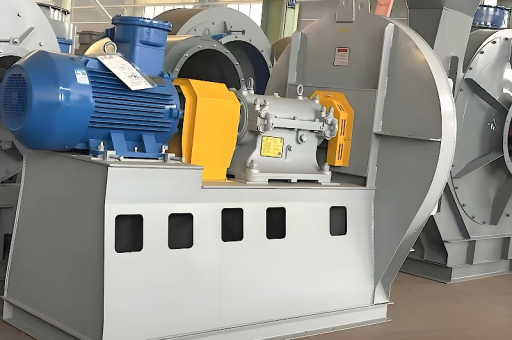
It appears you are looking for information on a specific type of industrial fan, combining several critical specifications: Q235 material, smoke exhaust function, high temperature resistance, and anti-explosion protection.
Here is a detailed breakdown of what this specification means, the engineering challenges involved, and considerations for selection.
Understanding the Key Terms
- Q235 (Material): This is a Chinese standard carbon structural steel (similar to ASTM A36 or EN S235JR). It is good for general fabrication, ducting, and fan housings due to its weldability and strength. However, Q235 is NOT inherently anti-corrosive or high-temperature resistant. For smoke exhaust fans, it is usually painted with high-temperature resistant coatings.
- Smoke Exhaust: These fans are designed for emergency smoke control systems in buildings, tunnels, or industrial plants. They must operate reliably during a fire to clear smoke and allow egress.
- High Temperature: This is the most critical spec. A standard fan will fail above 80°C. "High temperature" for smoke exhaust typically means 280°C for 30 minutes (or 400°C for 2 hours). The motor, bearings, and seals must be protected from heat.
- Anti-Explosion: The fan must be certified to prevent ignition of flammable gases, vapors, or dusts. This means the impeller is made of non-sparking material (aluminum, stainless steel, or copper-alloy), the motor is explosion-proof (Ex d or Ex e), and there are no hot surfaces.
The Engineering Contradiction: Q235 vs. Anti-Explosion
This is a crucial point for your procurement:
- The Problem: For a true Anti-Explosion fan, the housing is often made of ductile iron (QT400) or cast iron to contain an internal explosion. The impeller must be non-sparking (aluminum or stainless steel).
- Q235 (Steel): While a Q235 housing is strong, steel can spark if struck by a foreign object or a failing impeller. A Q235 housing alone is NOT anti-explosion.
- The Likely Configuration: The fan you are describing is probably:
- Housing: Q235 steel (for structural strength and cost).
- Impeller: Stainless Steel (SS304/316L) or Aluminum Alloy (for non-sparking).
- Motor: Certified Explosion-Proof motor (Ex d IIB T4 or similar).
- Treatment: High-temperature paint (silicone-based) applied to the Q235 housing.
Key Design Requirements for Q235 Smoke Exhaust / High Temp / Anti-Explosion Fans
If you are sourcing this fan, ensure the following specifications are met:
A. High Temperature Performance
- Certification: Must meet EN 12101-3 (European standard for Smoke and Heat Control) or GB/T 27941 (Chinese standard for high-temperature smoke exhaust fans).
- Temperature Class: F200 (200°C/2h), F250 (250°C/1h), or F400 (400°C/2h). For smoke exhaust, 280°C/30min is the baseline.
- Motor: Must be located outside the airstream (belt-driven) or have a heat shield/cooling fan if direct-driven. Explosion-proof motors generate heat; the ambient temperature must be considered.
- Bearings: Must be high-temperature grease (e.g., Mobilgrease XHP 222) or have external cooling fins.
B. Anti-Explosion Design
- Housing: Q235 is acceptable for the housing if the impeller is non-sparking and the motor is Ex-certified. However, for Zone 1 or Zone 2 gas groups, many codes require a cast iron housing.
- Impeller Material: Must be non-ferrous. Aluminum or Stainless Steel (SS304) is mandatory.
- Seals: Shaft seals must prevent sparks or hot gases from entering the motor.
- Grounding: The fan must have a static grounding strap.
- Certification: Must have ATEX, IECEx, or China Ex (NEPSI) certification. For China, look for Ex d IIB T4 (gas explosion) or Ex tD A21 IP65 T200°C (dust explosion).
C. Q235 Material Treatment
- Coating: The Q235 housing must be protected from corrosion and heat. Use silicone-based high-temperature paint (e.g., Zinc-rich primer + silicone acrylic topcoat) rated to at least 300°C.
- Corrosion: Q235 will rust rapidly in a smoke exhaust environment (which is acidic from burning plastics). For aggressive fumes, upgrade to Stainless Steel (SS304/316L) .
Typical Applications
- Tunnel Ventilation: For emergency smoke extraction in road/rail tunnels (where anti-explosion may be required due to potential gas leaks).
- Chemical Plants & Oil Refineries: Smoke exhaust from areas with flammable vapors.
- Underground Parking Garages: Smoke exhaust systems where gasoline fumes may be present.
- Power Plants: Coal handling units (dust explosion risk) and boiler rooms.
Example Specification for Procurement
If you are writing a purchase order or RFP, use this template:
Fan Type: Centrifugal / Axial Smoke Exhaust Fan Material: Housing: Q235 Carbon Steel (with high-temp silicone coating, 300°C rated) Impeller: SS304 Stainless Steel (Non-sparking) Temperature Rating: 280°C for 30 minutes (certified per EN 12101-3) Anti-Explosion Rating: Ex d IIB T4 (Gas) or Ex tD A21 (Dust) Motor: Explosion-Proof Motor (e.g., YB3 series or equivalent) Certification: ATEX / IECEx / NEPSI Application: Smoke exhaust in flammable gas environments.
Important Warnings
- Do not use a standard Q235 fan for smoke exhaust with anti-explosion requirements. Without the proper impeller and motor, it is a safety hazard.
- Q235 is not for high-temperature gas. For continuous gas temperatures above 200°C, the housing will warp. Q235 is only suitable for the "emergency 30-minute" duration typical of smoke exhaust.
- Check local codes. In many jurisdictions (e.g., NFPA 92 in the US), carbon steel housings are allowed for smoke control, but anti-explosion regulations (NFPA 70, NEC Class 1 Division 2) often require cast iron or stainless steel for the housing.
Summary Table
| Requirement | Standard Material | Recommendation for your spec |
|---|---|---|
| Housing | Q235 (Carbon Steel) | Acceptable only with high-temp paint & for emergency use. |
| High Temp | Up to 280°C (30 min) | Ensure coating is silicone-based. |
| Anti-Explosion | Non-sparking impeller | Must use SS304/Aluminum impeller. Housing material alone does not make it anti-explosion. |
| Motor | Standard | Must be certified Ex d / Ex e. |
Conclusion: You are describing a Q235-cased, high-temperature smoke exhaust fan with non-sparking internals (SS304 impeller) and an explosion-proof motor. This is a valid configuration, but the anti-explosion rating depends entirely on the impeller and motor certification, not the housing material. If you need full explosion containment, request a cast iron (QT400) housing instead of Q235.
If you need a specific model or supplier recommendation, please provide the required air volume (CFM or m³/h) and static pressure (Pa).





